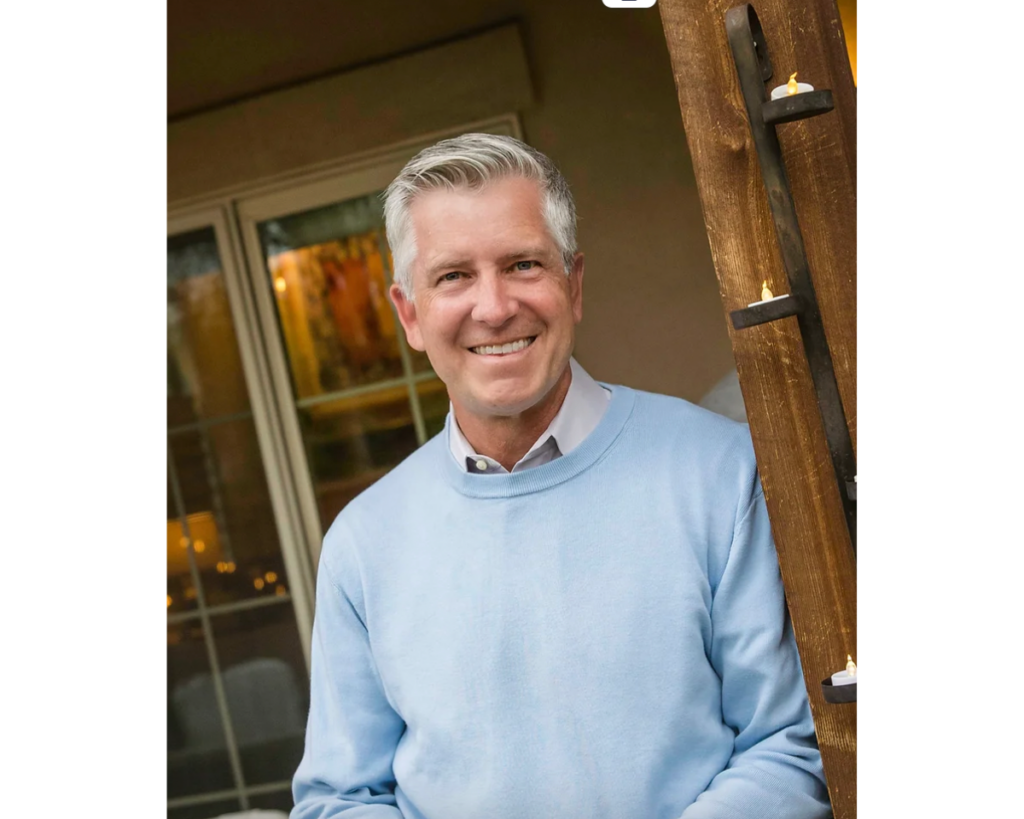

Paula Noonan is an outspoken critic of charter schools and test-based accountability, who broadcasts her thoughts in a regular column in Colorado Politics. Nicholas Hernández is executive director of Transform Education Now, a parent advocacy organization that supports parents in advocating for robust educational options in Denver and environs.
We brought them together on the podcast to debate school choice, charter schools, school funding, teacher quality, test-based accountability, and more. It’s a lively episode, somewhat longer than usual.
Full transcript of episode:
Alan Gottlieb: [00:00:00] Hi, everybody, and welcome back to the Board Hawk Podcast. We have two guests today: an oft-returning guest, Nicholas Hernandez of Transform Education Now, and a new guest, and one that might surprise some of you to see on our podcast, Paula Noonan. Paula is someone who writes frequently for Colorado Politics and perhaps other publications, but writes with a fairly critical eye on charter schools in particular, and I would say testing-based accountability as well.
The reason we had Paula on today, and I’m just glad always to have people on that we can have healthy debates with, is in our last podcast, we were talking about the dozen school board people who’ve put their names in for the District 3 Denver School Board race, and we were talking about Mike DeGeer, who I think probably, Paula, it’s safe to say you all share a lot of beliefs about some of this stuff. Maybe there’s some differences, and [00:01:00] we can talk about that. But I said something about Mike being on the lunatic fringe of the whole debate, and then Paula’s name was mentioned in the same section of the conversation, and she wrote me perturbed email saying, “Are you calling me a lunatic?”
And we went back and forth and said, “No, actually, we didn’t call you a lunatic or even call Mike a lunatic. We just said some of his beliefs are on the edge.” So anyway, we thought, “Hey, let’s have Paula on,” and then Nicholas as somebody who can talk about the same issues from a different point of view.
We’re gonna try and play a role today where Alexis and I mostly just ask questions and moderate rather than having three people versus one, which doesn’t seem exactly fair. So I’m gonna read a bio that Paula just sent me to introduce her a little more thoroughly, and then we’ll just start asking some questions, and it should be a really enjoyable, fun, interesting conversation.
Paula has a long academic and professional work history with degrees in English from Cornell, U of Cal Santa Barbara, and a PhD in English from our very own University of Denver. [00:02:00] She established a business consulting firm working with corporations up and down 17th Street and throughout the metro area in the ’80s and ’90s, then was training director for Colorado National Bank. She moved on to an academic career with Jones International University and the University of Denver, and once done with her working career, launched her political interests in 2006, running for the Colorado State Senate. She lost that race but won a role on the Jefferson County School Board in 2009 to 2013. During that time, she opened Colorado Capital Watch to follow the work at the State Capitol, and it has now transformed into capitalcommons.ai, an exemplary transformative platform working at legislation and legislator tracking, advocacy, outreach, and with a free citizen app to engage Coloradans in our state’s political processes.
So that’s an impressive background, Paula. I did not know all that, and thank you very much for coming on the show today. Really appreciate your willingness to have this debate.
Paula Noonan: You bet. [00:03:00] Thanks.
Alexis Menocal Harrigan: And Nicholas, thank you also for being here. I will just share with listeners, I’ve called Nicholas much worse than a lunatic over our many years of friendship, so.
Nicholas Hernández: You all get to do that. I think I’m the official Board Hawk intern at this point.
Alexis Menocal Harrigan: You’re the, what is it, the sixth man on the team, I think. All right, let’s start big picture, and let’s start with an easy question. I joke ’cause I don’t think any of these questions are necessarily easy. So I would love to hear from both of you: how would you advise a family that believes their traditional neighborhood school isn’t the best fit for their kids? What would you share with them if they came to you and said, “I just don’t think that this school down the street is the right fit for my kiddo”?
Paula Noonan: Nick, do you wanna go first?
Nicholas Hernández: Yeah, I think that’s something that my team and I personally have a lot of experience with, right? And I think it’s important to recognize [00:04:00] families understand what they see every single day with their own two eyes. Families experience our education system, students experience the education system, in a way that those of us who graduated 20-plus years ago never will, right? Because we are removed from that to a certain extent. My little one is just starting school. I know Alexis has kids in schools. And so families have this intimate experience of what they see every single day, talking to their kids and helping them with their homework. And so if a family comes to us and says, “Hey, this just isn’t working,” we believe them. And I think from that point, that starts with that conversation of like, “Well, then let’s find something that does work best for you.” And I think the approach that we have always taken is a both/and. You gotta have the values. You have to have a school that inspires your children, that teaches them to love learning, that respects them as an individual in the community, but you also have to have a school that serves their academic needs. At the [00:05:00] end of the day, what every family wants for their kid, right, is to be safe, to grow, and I think that’s what we hear time and time again, is that families want their kids to grow at school. They want them to grow socially. They want them to have friends. They want them to experience the world. They want them to grow academically so that they can follow their dreams. I think that’s how we talk about this work, and I think that’s how we counsel families, is to think about the individual needs of your child in the context of the system, right? I think we lean quite a bit on data, right? I think we try to be a really objective partner to families and say like, “Let’s look at CMAS data. Let’s look at data trends from a school over a multi-year period.” And we teach families how to visit schools, right? If you’ve ever gone on a school tour at any level, whether that’s pre-K or college, right, sometimes those feel very much like a sales pitch, like look at all the shiny things about our school. But especially for working class families, it’s important to recognize that many of our [00:06:00] community has never had that experience in evaluating schools or school classrooms. And so part of our job and part of the work that we do is help them think about what they want their children to see and experience, what outcomes do they want, what dreams do they have for their children, and then how to go to school visits and start to ask some of those questions. And we arm parents with a bunch of questions and rubrics that were developed by other parents and communities to say, when you do have the valuable time to go visit a school, take both, right? Take the rubric with these questions about culture, about leadership, about practice, about views and values, and take the data in one hand and say like, “Can you explain why Latino males in a middle school are three times behind their white peers?” Right? Can we talk about that in a school visit to really find the right place for a kid? As a former teacher, no two children are alike, right? That is like a common adage in education. And so why would we think that any one school can serve every child and is the [00:07:00] right place for every child, right? And so that’s kind of the approach that we take when we hear that from families, which we hear quite a bit.
Alexis Menocal Harrigan: Thanks, Nicholas. Paula, what do you think?
Paula Noonan: Well, of course, this question poses one of the fundamentals, and it’s not an easy question, by the way. It’s a very difficult question, frankly, because it poses the challenge of treating every kid as we would like to, with an individual education that meets their specific needs, and at the same time, on the other side, trying to create a school system that is able to address the needs of all kids in one way or another. And those two things are inevitably going to have points of challenge because you [00:08:00] can’t do both all the time. And so in our political processes, I think what we’re trying to do is address the needs of the individual, but in some cases, and I would argue in too many cases, that choice to the individual has harmed some of the choices of other individuals and of the system as a whole. And so until we as parents and as citizens and certainly as policymakers and legislators think through this tension, they need to pay attention to the consequences of both elements. And certainly what Nick is talking about is appropriate. Parents, we have choice in Colorado. [00:09:00] Parents can send their kids to schools that they can get their kids to. But I think we need to be very careful about what we as policymakers are looking at as the criteria for picking an exceptional school. So if the focus is only on, or primarily on, data, why is a certain group of kids, Hispanic kids or Black kids, what’s going on there that their test scores aren’t as good as the white kids over in the other school? If that’s the primary basis of understanding what’s going on in a school, I find that problematic. Because clearly schools are doing a lot more than teaching reading and writing and arithmetic. And Nick, you and I can talk about what we should talk about, what comprises a [00:10:00] really well-rounded, happy, joyful education. That’s what I had. Alan, you and I are probably about the same age. You and I went to public schools when these choices weren’t available, and yet somehow I came out really well-educated. And it was during the Soviet satellite era, right? When all the boys… let me make this point. All the boys were making little transistor radios and were getting into early computer science stuff, and all the girls were sewing their gym suits. So I just wanna make that little side comment. I don’t know if you noticed it, Alan, but I did. And by the way, the boys could get sports scholarships and the girls did not, or academic supports that the girls didn’t. So these inequities have been going [00:11:00] on forever. And our challenge, especially now that NN has passed and 87 has passed, is to try to figure out a more intelligent, more nuanced way of taking care of the needs of the individual child, but also taking care of the needs of the whole.
Nicholas Hernández: For the record, I also went to one of them public schools that segregated its students and put its kids on tracks and all of that. My high school counselor, when I tried to get into calculus, said, “Why don’t you go take auto tech down the hall?” Yeah. So those two things are the same, so I definitely hear that.
Paula Noonan: Yeah. Well, that’s a problem across the system, and it remains a problem, and frankly I’m sure all of us can agree on the fact that there are still many inequities in the system.
Nicholas Hernández: Mm-hmm.
Paula Noonan: And we are frankly at a time here [00:12:00] that is potentially transformative, and we need to do it the right way.
Alan Gottlieb: Yeah.
Paula Noonan: And I think we can all agree on that. And I will say, by the way, over the weekend I did a very deep analysis of what’s going on in the charter versus district school, that whole argument, and I’ll just give you a quick summary of what I found, and I ran this data…
Alexis Menocal Harrigan: Actually, Paula, I’m so sorry to interrupt.
Paula Noonan: Sure.
Alexis Menocal Harrigan: We will get there, and actually, if you don’t mind holding that, because there’s a couple of things that you said that I just wanna follow up on, because we will get to the traditional versus charter school debate, so I wanna make sure we have that for the right time. You had also mentioned standardized testing and accountability, so I don’t wanna lose sight of that, and we’ll come back to that as well. But something you said before we move on from just the big picture, broad concept of school choice, one follow-up. You mentioned something along the lines of choice for some that may be [00:13:00] good may harm others. Can you just share a little bit more about what you mean by that? ‘Cause I can guess, but I don’t wanna make an assumption.
Paula Noonan: Now I’m gonna take this at sort of a policy level, and I’m gonna take it out of Denver. I’m not exactly sure of what the years are. We’re in the 2010 to 2020 era, and Douglas County at that time was having a problem getting money to build new schools.
Alexis Menocal Harrigan: Because they can’t pass a bond, I’m assuming?
Paula Noonan: Correct.
Alexis Menocal Harrigan: Okay.
Paula Noonan: Well, a bond failed, and so the board at that time, which is a Republican board, very pro-choice, very pro-charter school board, decided that they would allow charter schools to take up that mantle. And they set up a system where they gave [00:14:00] district land to, I think it was two or three charter entities. And then with one of them, they used certificates of participation to pay for the new buildings, which you don’t have to go to TABOR to get a vote on. And they used that structure to take care of some of their larger problems of getting adequate facilities for the kids. But what happened there is one of the charter entities over in the Castle Pines area, there’s a set of schools there, I think there’s three of them, that serve primarily wealthy, very high income families. And they built the schools to serve those families. And [00:15:00] consequently those schools have superior test results, and everything about ’em is superior. But the downside is that they don’t come even close to the number of kids in the district that are low income in terms of serving those kids, and they don’t come close, not even remotely close, to serving special ed kids that are in Douglas County. And so the school district at the time and the board took the charter movement and created schools that do not serve the overall at all. And when you then look at the district schools, in one instance, the neighboring district school actually does a better job of educating the kids, if you’re looking at [00:16:00] standardized testing, at the same time that they’re educating more low income kids and more kids on special ed. So there you have a situation where very wealthy parents are taking advantage of the charter policy to create schools that very much favor them. Great choices, I suppose, for them, but not such great choices for all the other kids in the system and the distribution of money across the rest of the system. And I could say that some of that goes on in Denver as well. And when you look outside Denver, it is much more likely that the charter schools are educating kids that have a profile that does not match the district. Denver, frankly, is an exception to that, but the [00:17:00] rest of the system very much is biased towards schools that, they say they’re core knowledge, but actually they’re more Christian knowledge. And they market to white families, and so there’s all that preciousness that comes in that environment. And to me, I’m looking across the whole policy arena, not just in Denver.
Alexis Menocal Harrigan: Mm-hmm.
Paula Noonan: And that is a big problem. Denver has its own issues, but across the whole setup, that’s a big problem, and that’s where choice that helps, in this case, in the Douglas County case, very wealthy families, disadvantages middle-class and low-income families, and especially special ed families.
Alexis Menocal Harrigan: Thanks so much, Paula. And just for our listeners, really quick before I turn it over to you, Nicholas: certificate of participation, which Paula mentioned [00:18:00] earlier, for those who don’t know, is a lease financing method that sometimes municipal governments like school districts will use where they will take…
Paula Noonan: Lease properties.
Alexis Menocal Harrigan: Yeah. Sorry. It’s where they lease properties to a third-party entity, and then they can then pay down the debt on that, so that’s what it sounds like happened in Douglas County, but in this case with a charter school using public school land. Is that correct?
Paula Noonan: Correct.
Alexis Menocal Harrigan: Okay. Thank you.
Paula Noonan: Well, land that was allocated by the developer to the district and that the district then handed over.
Alexis Menocal Harrigan: Oh, okay.
Paula Noonan: And by the way, that same situation happened over in the John Adams School over in the Sterling Ranch area, where the developer… it gets very complicated ’cause developers are in this mix as well.
Alexis Menocal Harrigan: Mm-hmm.
Paula Noonan: The developer in Sterling Ranch got the Douglas County commissioners to give land that the developer was supposed to give [00:19:00] to the school district to the charter school.
Alexis Menocal Harrigan: Right.
Paula Noonan: And there was a big uproar about it, a very big fuss, and lawsuits back and forth. And that’s where the political edge on all of this comes into play.
Alexis Menocal Harrigan: Mm-hmm.
Paula Noonan: And that is something that the legislature, I believe, needs to really attend to.
Alexis Menocal Harrigan: That’s a fair point. But I wanna make sure we give Nicholas time to respond, and the very last thing I’ll just say, because you’ve talked about the developer land, and that’s a whole nother podcast just to talk about new developments. But I remember when Central Park, then Stapleton, was being developed, it was the same thing. Right. And a lot of Stapleton or Central Park families would now make the argument, and I was just there a couple weeks ago, where you had Central Park families saying, “Well, we pay more in taxes for this school, and so we shouldn’t have…” And I very specifically remember Northfield parents saying we shouldn’t have these DSST kids, which are mostly Black and brown, being [00:20:00] able to share the property with these white, wealthy kids who live in Central Park. So my only pushback, and I know…
Paula Noonan: Hey, it goes in both directions.
Alexis Menocal Harrigan: Exactly.
Paula Noonan: It’s a mess both ways.
Alexis Menocal Harrigan: Exactly. Let’s face it. I agree.
Paula Noonan: I mean, I agree with that completely.
Alexis Menocal Harrigan: Yeah. So Nicholas, I’ll turn it over to you, but I just wanted to make the point that I’ve seen it also play out in traditional public schools, too. Nicholas, any response?
Nicholas Hernández: Yeah, no, I appreciate that, Alexis, because I think it’s important to call out what we’re actually talking about is who has agency and who has power, right? And who are systems willing to listen to? And I think time and time again, what we see is Black and brown families saying, “The system isn’t working for us. The school isn’t working for us,” however it’s articulated. And then there is this massive pushback from policymakers, from very well-connected citizens who happen to be higher income, who many times happen to be white, saying, “No, no, no, this is how it’s always been. Don’t come around here changing our [00:21:00] neighborhoods,” or, “We want something different than what you people want.” And I think we see Black and brown folks having to continuously fight for a better situation for their kids, right? And then we get into this like, who do we listen to? Who do we believe? Which is why, for your first question, the first thing I said was, we listen to them because they are experiencing this life day to day. They’re not making this up, right? We see schools and systems who have, for lack of a better word, and I know this is often a lightning rod, failed Black and brown and working class communities for generations, right? I don’t know how else to say it other than that. And then when it comes time to change those systems and to step up and maybe do some things different, there’s a lot of pushback. I do wanna go back to one thing Paula said about this very specific example from Douglas County. That might have been before my time. I’m not really familiar with what you’re talking about, but [00:22:00] I do think your assertation that this one school in Castle Pines doesn’t serve a diverse student body… I’m not gonna argue with you on the demographics of that community, because I’ve been to Castle Pines, right? They used to host the US Open at Castle Pines. I’m gonna bet that actually that school serves a reflective demographic to its community, right?
Paula Noonan: No, it doesn’t.
Nicholas Hernández: Castle Pines is rich. Look, I went down there one time. You gotta drive through a fence just to get to the Walmart.
Paula Noonan: You’re not hearing what I said.
Nicholas Hernández: Hold on, hold on. I let you speak. What I’m saying is that this broader argument, and I’m not really worried about this individual Castle Pines argument, right? It’s neither here nor there. This is a…
Alexis Menocal Harrigan: The median household income for Castle Pines is $191,000.
Nicholas Hernández: Goddamn. [00:23:00] What I’m saying is that these charter schools, which often get accused of being segregated, of creaming students, of not being reflective, that school may not be generally reflective of the broader Douglas County School District. Douglas County’s what, the third-largest school district in the state? Top 10, something like that? That school probably does reflect the community of Castle Pines. Again, I don’t have the Castle Pines demographics pulled up, but we’re talking about $191,000 in median income, we’re talking about gated communities. I think half the Denver Broncos live in that community, right? And so this idea that even our less than diverse schools don’t reflect the communities in which they serve, I think that’s like a false narrative, or it’s a false causality, right? What we need to talk about is why does Castle Pines not have a middle class? Why does Castle Pines not offer up affordable housing for people who work in service industries [00:24:00] in Castle Rock, right? You’ve talked a lot about Denver in the past. You and I have had conversations about segregation, right? Schools reflect the communities in which they exist, and that’s why this whole neighborhood school debate to me has always been such a bad faith argument, because we don’t want to acknowledge that our communities are segregated, right? The long effects of redlining, the social determinants of health play a factor in where people are going. My own family made key decisions about where they were gonna build a family because of the income. And guess what? We lived in a middle class neighborhood with a bunch of folks who looked like me, right? That’s not ’cause the schools were segregated. That was because of what we could afford. And I just believe that this idea that, oh, these schools don’t reflect their communities, is just a bad faith argument. Do I wish this Castle Pines school served kids better? Yes. Do I wish it was more diverse? Yes. Do I [00:25:00] wish there was more access to it? Yes. That is not necessarily a causality or a function of the governance model, because I’ll tell you, Douglas County public schools as a whole are not that diverse.
Alexis Menocal Harrigan: Paula, any pushback on that?
Paula Noonan: Yeah, frankly, I don’t agree that you would label what I’m talking about as a bad faith argument. Why are you doing that? That’s not an appropriate comment. What I am saying is that public resources that I would guess you would feel ought to be equitably distributed have been inequitably distributed because the families in Castle Pines, in the school district there, allowed that to happen, and I find that inexcusable, frankly, and I would guess that you would find it inexcusable as well, especially since they are [00:26:00] not taking in the children who are the most expensive kids to educate, the special ed kids, and that, frankly, is a problem across the whole charter system. Not in Denver. I’m not saying that it’s true in Denver. That’s why it’s a bad faith argument right there. I am not saying it’s true in Denver. I’m looking at the whole system, not just Denver. And what I’m talking about affects Black and brown kids across the system. If you look at what’s going on right now in Poudre in terms of the schools that they’re closing, if you look at Jefferson County in terms of the schools that they’re closing, if you look at Boulder in terms of the schools that they’re closing, if you look at Denver in terms of the schools that are closing…
Nicholas Hernández: 100%.
Paula Noonan: …it is the poor kids that are getting screwed.
Nicholas Hernández: But that is a policy decision from those local boards.
Paula Noonan: Now wait a minute, Nick. Let me finish. The poor kids are getting screwed, and one of the reasons they’re getting [00:27:00] screwed in Poudre and in Jeffco, and I’m very familiar with Jefferson County. Thank you, Nick. I’m very familiar with what’s going on in Jefferson County. I was on the school board there. It’s that the charter schools are segregating away from the communities of color, even though they are residing in the communities of color, and that’s a problem from my point of view, and I objected to it when I was on the board, and I object to it right now. They’re gonna be closing schools up in the Poudre School District that are in the central part of the city that are primarily minority schools, and part of that is a problem of gentrification, in that properties are getting more expensive. But it’s also a problem of the development that’s occurring on the other parts of Fort Collins, where the white [00:28:00] families are living. So I agree with you that deciding where we wanna live has segregated us. That started back in the ’60s and ’70s with busing in Denver. Let’s face it, that was an experiment that actually proved that integrating schools helps kids. But when it came down to it, white families didn’t wanna play that game, and that is another big problem.
Alan Gottlieb: I’d like to interject there and just say it was actually really interesting, ’cause, Paula, I was the Denver Post reporter covering the resegregation of Denver Public Schools at the end of busing in the ’90s.
Paula Noonan: Yeah.
Alan Gottlieb: And that’s exactly what I expected was gonna happen, and it did happen, what you just said. But on top of that, what also happened was that the Black Ministerial Alliance and Latino advocacy groups also were saying, “We don’t wanna bus our kids anymore. We want our kids back in our neighborhoods,” and that it’s insulting for you to suggest that they can’t learn unless they’re sitting next to a white kid. So it was very much, I was surprised by this, [00:29:00] but it was a consensus across the board, which is why the district basically decided to resegregate.
Paula Noonan: Right. Well, I don’t know that the district decided. The parents in the district picked where they were gonna live. And that’s how it played.
Alan Gottlieb: Right. Fair enough.
Paula Noonan: So all of these issues are really complicated. And I don’t think it’s lunatic, frankly, to try to think in a whole way about all of the dimensions of the problems, and that’s what I try to do. And by the way, I try to be very credible in how I go about it.
Alexis Menocal Harrigan: Thank you.
Paula Noonan: ‘Cause I was… Nick, just a second. Somebody did mention that I was not a credible person, and that’s not true. I look at this stuff very seriously and with a lot of detail.
Nicholas Hernández: I’m not gonna pretend like I’m [00:30:00] intimately aware of what’s happening in Boulder, but we could take some of that same lens and apply that to Denver, right? Because we have seen the effects of white flight. We have seen the effects of gentrification, right? Coupled with declining enrollments and declining birth rates, that puts us in a very hard position, to go from 100,000 kids to what? What are we at? 87,000, projected to lose another five to seven percent of that over the next couple of years, right? The budget situation because of declining enrollments is real, but what you’re saying is that because of development and because of, frankly, school choice, right, we are closing schools to the detriment of Black and brown children. I know for a fact in Denver that that was a decision that was made by members of the current board and the previous boards on a policy level, right? That they did not want to touch the lightning rod that was school [00:31:00] performance, because if you started to look at both declining enrollment and school performance as criteria for closure, the burden of closing schools could have been shared around the city, right? But because we went with just a bright line of enrollment, right…
Paula Noonan: That is not true, Nick. That is not how it played.
Nicholas Hernández: Okay. Wait, wait, wait. Hold on. One at a time. Because we chose to do an enrollment line as kind of the main, or frankly only, criteria for school closures in Denver, we had to look at places that were frankly more gentrified, because what happens when a neighborhood gets gentrified? Multi-generational households get pushed out. New folks moving in tend to be a little bit older, a little bit whiter, or a little bit younger and richer and don’t have kids, right? And so the density of kids is pulled out from under the rug. Had we spread that around and included criteria for school quality and [00:32:00] student-based outcomes, there were some schools in southeast Denver. There were schools on the north side. There were schools in southwest Denver. And yeah, let’s be honest, the vast majority of those school closures probably still would have happened in Black and brown communities because of what I said earlier: who do we listen to with power, right? Is it Black moms? Is it Latino dads? Is it non-English speakers, or is it the people who are donating to their local campaigns? Is it the people who have the superintendent’s phone number, right? Power plays a role in this, but we could have at least broadened the scope of that to share some of that burden across the city. We didn’t, and so now we have what we have, right? That is not because of school choice. That is not because of charter schools. It is because we have less kids, we have a lot of schools that are under-enrolled, and we had to make a decision to balance those budgets, to right-size the district, and we did it in a way that frankly did not take into account the [00:33:00] academic needs of kids, nor did it take into account equity in sharing that pain across this city.
Alexis Menocal Harrigan: I wanna ask one follow-up question…
Paula Noonan: I have to make one comment on what Nick just said.
Alexis Menocal Harrigan: Go ahead.
Paula Noonan: Low enrollment was not the only criteria. The other criteria was only district schools would be closed, and charter schools were not closed. Nick, that’s just a fact.
Nicholas Hernández: But why? Why? Why?
Paula Noonan: And that just affected how…
Alexis Menocal Harrigan: Nicholas, let her finish.
Paula Noonan: Yeah, yeah, yeah. And it didn’t have enough to do with whether the district school was better or worse than the charter school, because in a number of instances academic achievement was not significantly different. But that protected the charter schools in the system, and it continues to do that. And my point is that that in itself is an unfair, or, well, an unintelligent way to manage the district. [00:34:00] A district needs to be managed as a whole, and you can’t close certain schools because they’re district schools but not close other schools because they’re charter schools, even though the enrollment in some instances was worse at the charter school. That’s a problem.
Alan Gottlieb: But haven’t more charters closed in the last few years than district schools? Like, 15 charters have closed in Denver.
Paula Noonan: That’s on them. That’s on their boards, and we haven’t even gotten into the discussion about governance and how these kinds of decisions are made.
Alexis Menocal Harrigan: And I know Nicholas wants to jump in, and I think Alan made a decent point here, but before we jump into the governance, I just wanna go back one second. We’re talking about declining enrollment, we’re talking about boundaries, we’re talking about segregation. I wanna go back to this Douglas County and Stapleton example. Two people I really respect, shout out to Terry and to Jen, who both refuse to call it Central Park and [00:35:00] just call it Stapleton. So I’m gonna call it Stapleton, ’cause we shouldn’t forget our history, and this is the history of Colorado. The KKK ran our state in the ’30s. So Stapleton is arguably one of the wealthiest parts of Denver, probably the closest thing we can compare to DougCo. Let me ask this question. The schools in Stapleton are not facing closures, right? These are high-performing schools that have wait lists in some cases, and Northfield High School is the best district high school in the state, according to I forget which report. Who should be able to have access to those schools? That’s my question.
Paula Noonan: Everybody. It’s a choice question. If you can get there, you should have access to it.
Alexis Menocal Harrigan: So are you saying we should get rid of the enrollment zones and enrollment boundaries?
Paula Noonan: Well, I’m not that familiar with how Denver [00:36:00] enforces it, but my understanding across the state is that parents can put themselves and their kids on a wait list, and once their number comes up, they can go to that school.
Alexis Menocal Harrigan: Right. But unfortunately most families won’t get off that list because they preference the enrollment from the boundary. And so I guess the question is, do you favor enrollment zones?
Paula Noonan: Well, then I guess Denver needs to take care of that problem, because otherwise it is discriminating against a lot of kids. Yeah, Denver needs to…
Alexis Menocal Harrigan: So what I’m hearing you say, Paula, is you are not in favor of enrollment zones, and you would be supportive of open choice?
Paula Noonan: I don’t know enough about it. I can’t say that, frankly. I’m sorry, I just don’t know the details of choice.
Alexis Menocal Harrigan: That’s okay.
Paula Noonan: What I know is that when Doug and JeffCo… there were a bunch of kids from Denver that were coming into Jeffco.
Alexis Menocal Harrigan: Correct.
Paula Noonan: And…
Alexis Menocal Harrigan: Particularly Latino students [00:37:00] from the west side, yes.
Paula Noonan: Correct. And they were skipping over Edgewater and getting into some of the other schools in the district. Once you introduce choice, you’ve got this bubbling system of many different consequences, and everybody’s gonna play the system to their advantage. And that’s part of an inequity within the choice system, isn’t it?
Alan Gottlieb: Can I ask a quick question about that? I grew up in Chicago, and there are a lot of cities like Chicago where there used to be absolutely no choice. You basically got assigned to your neighborhood school. There were magnet schools for high schools, where kids went based on performance and grades and all that stuff, and they tended to get pretty segregated. But in a perfect world, from your perspective, Paula, would you like to see there not be that kind of a choice law like there is in Colorado, and that families should be assigned? Because then you still end up with the segregation problem.
Paula Noonan: No. [00:38:00] What I’m saying is that we don’t have any perfect solution, do we? Choice or not choice. We tried all of this stuff, and none of it really is doing what it’s supposed to do. I don’t know what the answer is. Do you, Alan? You and I have been thinking about this for a lot of years, right?
Alexis Menocal Harrigan: I have a recommendation.
Alan Gottlieb: Well, wait, just let me… My answer to Paula would be simply, I really don’t know how you do this, and there’s been so much great journalism about this in the last 10 years. I don’t know how you do it, but I really do believe, and I think you and I probably agree 100% on this, that integration, and I’m gonna go with socioeconomic even more than racial…
Paula Noonan: Right.
Alan Gottlieb: …makes a huge difference for everybody.
Paula Noonan: Absolutely.
Alan Gottlieb: But I don’t know how you do it.
Paula Noonan: And everybody wants to do it. That is what seems to work. Everything points in that direction.
Alan Gottlieb: Yep.
Nicholas Hernández: I understand where you can get that.
Paula Noonan: So Nick, to your question, when you’re segregating into the white, that’s a big problem. [00:39:00] To me, when you’re segregating into the Black or the Latino, that’s also a problem, and it’s a problem on a number of levels. It’s a problem not only that you’re not reflecting what the world is, but it’s also a problem in that it never resolves the issue of how do people get along? How do people interact with each other? How do people learn to be civil with each other? There’s so many dimensions to what happens when we segregate ourselves. But Alan, you and I both know that just seems to be the way it works, right? I’ll say, not for me in particular, but, you know, I grew up in LA. I grew up in Culver City in West Los Angeles. This was in the ’50s and ’60s. Everybody was in those schools, and [00:40:00] I have checked this out with all my pals. We did not use racial slurs. Everybody was just a bunch of kids.
Alexis Menocal Harrigan: In the 1950s in West LA, people didn’t use racial slurs? My parents grew up in East LA, and I can tell you…
Paula Noonan: Well, okay, maybe East LA was different.
Alexis Menocal Harrigan: East LA and West LA were, guess what? Segregated. Okay, I’m gonna stop. I’m gonna stop.
Paula Noonan: I’m just talking about my little community of Culver City. There were Asian kids. There were Japanese kids whose families had been in the camps, and the Latino families owned the farms in that area before they were taken over.
Alexis Menocal Harrigan: I’m gonna bring us back on track.
Paula Noonan: But we kids [00:41:00] got along. That’s all I’m saying. And one of the reasons we got along was we were all thrown in together, and what was the choice?
Alexis Menocal Harrigan: Yep. Okay, thank you. Nicholas, go ahead.
Nicholas Hernández: So there’s a lot there. I wanna just state something very, very quickly. We have a very rigorous process to close charter schools, and if what we’re saying is that they need to be held to the same criteria to close as a district school, then I want it in reverse too. I want a five-year contract for every district school and every charter school to come back and show their local board of ed, which every charter school does, how they’re serving kids and meeting their charter contract deliverables, and if they don’t, sorry, you don’t get renewal, right? To Alan’s point, we close more charter schools than we do district schools, in part, yes, because of the finances, and their charter board gives up their charter. We also close a lot more because there is a mechanism to hold those schools accountable [00:42:00] at the local board of ed. That’s part one. Part two, I wanna talk about this segregated schools thing, and I think Alan brought up an important reminder, right? This idea that integrated schools are the only way, that it raises all kids’ boats. In part, that’s because, again, of the power and agency of some families in this community and in this city, right? To get a meeting with your principal, to talk to your local area superintendent, to talk to a board of education member. And Black and brown families, yes, they said, “Why should my kid have to be bused across the city to sit next to white kids in order to get a quality education?” That is something that still is a debate within Black and Latino households today. Ask me how I know. Because I have that conversation with my wife on a regular basis. What trauma am I willing to inflict on my daughter, who is a brown woman, who will be a student who has to exist potentially [00:43:00] in predominantly white spaces? Are we willing to let her be in a school where she is the only one because it is a segregated school, and maybe get a fundamentally strong education at the expense of her mental health, at the expense of the pride and love and inclusion of her culture? Or are we willing to send her to a school where every kid looks like her and risk that she be left behind, right? Because let’s just take our rose-colored and our colorblind glasses off. The dichotomy of the haves and the have-nots split among socioeconomic standards also reflects the haves and the have-nots of Black and brown and white communities, right? A long time ago, we made decisions on how to fund schools, and it made it so that white schools in white communities get everything that they need. And we see positive student outcomes time and time again. And [00:44:00] frankly, I wouldn’t be satisfied if I was one of those white families either. District average at what, 50% of kids reading on grade level, right? Sure, it’s higher for white students across the district, but we’re talking single schools. That’s not good enough for those kids either. But as a man of color, as a dad, am I willing to send my daughter to a school that’s gonna inflict one of those traumas? No. That’s why we do the work that we do. And then the last thing I wanna say is just… actually, that might have been it. I might have wrapped that up. Sorry.
Alexis Menocal Harrigan: Okay. That’s a good place to actually…
Nicholas Hernández: Go ahead, Alexis.
Alexis Menocal Harrigan: Alan, go ahead.
Alan Gottlieb: I’m really interested in your view, Paula, on whether, first of all, if neighborhood district-run schools had… you mentioned NN and 87 passing. Hallelujah that they both passed. But let’s just pretend that they completely took away all the funding challenges for public education, which they won’t. If you think public schools had all the money they needed, do you think neighborhood district schools, no [00:45:00] matter what neighborhood they were in, would suddenly be serving all kids well? Is money the be-all and end-all? That’s one question. Then the other question, that’s maybe not even very related, is simply: if test-based accountability isn’t the way you’d like to go, and I don’t think it’s the only way we should look at things by any stretch, but without that, how do you measure the quality of a school? So I know those are two different questions, but we’ve gone a while already, so I don’t wanna go two hours, and I wanted just to hear your thoughts on both those things, as disparate as they are.
Paula Noonan: Okay. You’re gonna have to repeat the first one again. Just briefly.
Alan Gottlieb: Okay, I’m gonna make it much shorter than I did before. If district-run neighborhood public schools had all the money they needed…
Paula Noonan: Yeah, right. Okay, got it.
Alan Gottlieb: …would the problems go away?
Paula Noonan: Right. No, all the money you need is not enough. You can see that. So Nick, you’ve been involved with UPrep, right? University Prep? Okay. So I did a deep dive into University Prep, and by the [00:46:00] way, your board needs to do a lot better about telling the parents who they are, when they’re having their meetings, making their minutes more available, videotaping their meetings, et cetera, et cetera. That’s to the side. Okay. Focus on the scoring. So this is what happens, apparently, and Alan, I’m sure you’ve probably noticed this as well. I think UPrep Arapahoe is the school that has the majority Black population. Am I right about that, Nick?
Alexis Menocal Harrigan: I’m looking it up right now.
Paula Noonan: Okay. It doesn’t really matter. Anyway, it does well, given its population. It does very well on the math scores, but it does not do well at all on the reading, which tells me that it’s putting its resources into math, and that it’s done a lot of work [00:47:00] getting teachers ready to do a really good job teaching math. You go to the other school, I think it’s Steele, and the scores are much lower in math and not great in reading either, which suggests to me, notice I say suggests, I don’t know for sure, but it suggests to me that the resources for those two subjects are distributed pretty equally. And because of time and student bandwidth, et cetera, it’s almost as if, and this happened in Jefferson County too, you could do well in one or the other, but you couldn’t do well, among minority kids anyway, in both at the same time. So this, Alan, is the bigger problem, right? You’re gonna have this big bundle of money, and you know that some of it has to go [00:48:00] to teacher compensation because teachers aren’t paid enough. And maybe some of it goes to making classrooms smaller, which would probably be good in many instances. But the allocation of resources is stymied by how many hours kids are in school, how much kids can learn in the time that they have, and how much capacity you have with the resources that you have. And maybe you have an abundance of resources, but if time and capacity isn’t adequate, then the money doesn’t have as great a chance of having the effect that you want it to have. And to me, this is all kind of mind-boggling, in terms of you’re looking at now a pretty solid infusion of money into the system, [00:49:00] and unless everybody steps back and says, “Okay, how can we do this the most intelligent way in order to get the best bang for our buck?” Because we don’t have the answer for that right now. The answer, I think, is in the data, but we haven’t analyzed the data sufficiently to make those kinds of decisions. That’s on the first. On the second, the standardized tests, you don’t need to test as much as you do. You can test every other year. You can do a variety of things with the testing. We know the answers to the tests. We’ve had the same answer on these tests since we’ve been giving them. We know what the spread is between minority kids and white kids. It hasn’t substantively changed in all these many years that we’ve done the testing. So surely we can come up with a way that’s better than just reducing the [00:50:00] amount of time they take on the math test to get the data that you need to make some good decisions without killing these kids on these standardized tests. And yes, there are a lot of other ways that we should be looking at schools. I wrote about this in one of my columns. Littleton High School put on the play Rhinoceros. This is in the high school. It was fantastic. It’s such a hard play to put on. They did such a fantastic job. It’s Europe right after World War II. It’s an absurdist play. It has existential elements to it. It goes from comedy to tragedy. It’s really, really difficult. These kids put it on, and it was fantastic. That does not show up in any metric that I’ve ever noticed. So my point being, shouldn’t we be building those kinds of things into how schools are evaluated, including how well [00:51:00] kids are doing in athletics? Many kids go to school because of the sports, and we don’t include that at all in any kind of metric that we’re looking at to determine whether schools are doing their jobs or not. The same with art, the same with music, all of these things. Our metric is so narrow, it just is discouraging to me.
Alexis Menocal Harrigan: Thanks, Paula. And I think there’s a lot of validity to that, as a parent who had to make some compromises. When we chose a middle school option for our child, we had to make choices that didn’t have art, and we didn’t prioritize art. And sometimes I’m upset that we don’t have art and theater, but I’m also really happy with the academic rigor at the school he’s at. Before I turn it over to Nick, go ahead, Paula. You wanna respond really quick?
Paula Noonan: Yeah. Your kids are gonna regret not having great literature, I don’t know, maybe they do literature, but not having great music, great art. They’re gonna regret that. [00:52:00] Sorry.
Alexis Menocal Harrigan: Thanks for sharing. As a parent who exercised choice, we’re doing what’s best for our kid.
Paula Noonan: Yeah, me too.
Nicholas Hernández: I was gonna go to you real quick. I was gonna say, a couple of things stood out from that, regarding UPrep, right? You talk to anybody in leadership, anybody on their board, anybody that works at that school, any family that attends that school, they would all tell you, “We are not where we want to be.” Every single person who shows up to work in that building every single day says that we gotta be better, and we gotta do a better job of delivering on the promises for kids, and I think that is just woven into the DNA of that school. But what I will say is we are outliers. Are we good enough for our standards, for the kids in that building? Absolutely not. But we are outliers in this state when you look at the amount of kids who qualify for free and reduced lunch versus their performance. And again, I’m gonna emphasize, is it good enough? No. Our people show up to work every single [00:53:00] day and bust their butts like they do in every other school, right? But I can’t speak to every other school. But the results that the staffs and the work that happens at UPrep produce are extraordinary, and different than most schools in the state of Colorado. On the test-based accountability that you talked about, right: the number one thing that we can do to ensure kids have a quality education is put a great teacher in front of them, right? And extend the amount of time that those kids have in front of that teacher, right? Which is why, for me, one of the things that I have been focused on recently has been this idea of a four-day school week across the state of Colorado. I think that is the most detrimental thing we can do for the state, is allow that to continue to happen. I do think, however, that you named something that I think is really important, that I think is often lost in the nuances when we talk about standardized tests. The goal of this test has never been to diagnose the problem, right? A standardized test cannot [00:54:00] tell you why a third or fourth grader does not read on grade level. But what it does do, and it’s something that you’ve named, Paula, is it reveals patterns, right? And without those patterns being published every single year and being a topic of conversation every single year, the opportunity gap between the haves and the have-nots continues to widen. Without that, certainly nothing’s gonna change, because it hasn’t changed even with it, right? The way that we often talk about accountability and CMAS in our work is that it is a flashlight, right? It is not the solution, it is not the silver bullet, but it is a flashlight to make sure that things are not being hidden. Now, there’s a lot of reasons we could talk about why the data doesn’t give us everything we need. We can talk about the n-size rules and data suppression at the state level and what we are allowed to publish. And I hear you, right? Kids putting together the, was it Rhinoceros, play? [00:55:00] That’s meaningful. That matters, right? But the kids at Littleton High School and the kids at Adams 14 High School are not having access to the same materials, right? So their ability to put on Rhinoceros is vastly different than the ability of Littleton to…
Paula Noonan: You don’t know that. They’ve never tried it. How do you… you can’t say that. Sorry.
Nicholas Hernández: Okay. And then I think we can use CMAS as one of the few comparable measures to say, how do we compare apples to apples to the best of our ability, right? And that’s really important, right? And that’s why at TEN, the hill we’d ultimately die on is standardized testing, because in its absence we certainly don’t close the opportunity gap. We certainly don’t become more equitable with less data and less transparency. And I would be remiss, because we started this conversation at school choice, and I just want to name, and I don’t mean to [00:56:00] pick on you, Paula, but your comment to Alexis is what we hear from systems and operators to families all the time: “Your kids are gonna regret that.” How do you know what Alexis’ kids need better than Alexis? And not to say that that’s how you meant it in this moment, but it is a pattern that we see all the time. “Oh, we know what’s best for this community.”
Paula Noonan: I never said that.
Nicholas Hernández: “We know what’s best for the…”
Paula Noonan: I didn’t say that.
Nicholas Hernández: I didn’t say you said that. Wait, wait, wait. I didn’t say you said that. But that is in line with what we hear from school districts, from policymakers. There are people in this state and in communities, again, going back to this idea of power, who don’t have the power and the agency that others have. And many policymakers, many of those of us who do this type of work together, regardless of what side you sit on, believe that those people are not capable of making informed decisions for themselves, and that that is one of the culprits of why people are choosing these schools or not choosing schools, [00:57:00] right?
Paula Noonan: Well, I would…
Nicholas Hernández: And so I think it’s just important to name…
Paula Noonan: No, go ahead.
Nicholas Hernández: …to name that, because that is a way that we as a system have paternalized particularly working class people, particularly people of color, in telling them what we think is best for their kids, and saying, “No, no, no, that’s not for you to decide for your kid,” and creating policies, creating barriers to that, because we think we know what’s best for them.
Paula Noonan: Okay, I would say that when you suggest that Adams 14 couldn’t put on Rhinoceros…
Nicholas Hernández: No, no, I said they didn’t.
Paula Noonan: …that was a patronizing statement to me. And you don’t know. Littleton High School is a very mixed bag school. If you look at the numbers there…
Nicholas Hernández: Sure.
Paula Noonan: …the district itself may be pretty well-to-do, but that school is a real mixed bag.
Nicholas Hernández: Well, then let me rephrase my statement real quick.
Paula Noonan: And so this is the difficulty. And my…
Nicholas Hernández: Wait, wait, wait. Let me rephrase my statement.
Paula Noonan: And I’m not saying, Nick, I’m not saying you’re right or [00:58:00] wrong, and I’m not saying any of you guys are right or wrong about any of this, ’cause I wouldn’t presume to say that, because it’s so complicated. I am saying that, as Alan mentioned, I have a PhD in English, so obviously literature and the arts mean a lot to me. And I was a big reader as a kid. Not that good at math, but I tried. In any case, what is to me a problem with how standardized tests are playing out in the school system is that it is narrowing the curriculum in a way that is not useful and broadening for the kids. One of the things that I valued so much was that I had a full range of opportunity to all kinds of knowledge, not just math knowledge, not just reading knowledge, but [00:59:00] all kinds of knowledge, and I think some of that is getting short-changed right now. And I’m sorry, I just find that to be problematic. I’m not sorry about it.
Nicholas Hernández: And actually, I actually agree with you on that.
Paula Noonan: It is problematic, and I realize that, and frankly, I think it’s a disadvantage to kids not to have a really deep exposure…
Nicholas Hernández: 100%.
Paula Noonan: …to the arts, to music, to athletics, to all of those things. And they should not be sacrificed to that, but that is the dilemma. There’s only a certain amount of time in the day that the kids can be in school. So it’s not just a matter of money, and it’s not just a matter of resources. It’s a matter of time, and that…
Nicholas Hernández: And belief.
Paula Noonan: …is probably the most [01:00:00] restrained resource, as you point out with the four-day school week. The kids up in the mountains love it ’cause they get to go skiing on Friday, but it’s not such a great deal.
Nicholas Hernández: 100%. I actually agree with you, Paula.
Paula Noonan: But that is a function of the underfunding that this state has tolerated in the school system for, I don’t know, Alan, you have to tell me how many decades. It’s been a really, really long time.
Alan Gottlieb: It’s been a long time, but on the four-day week specifically, it’s not actually only a funding issue. It’s also a question of things like, especially in mountain communities that border on other states that have four-day weeks, they start losing teachers because the pay here is lower. New Mexico has a base salary for teachers.
Paula Noonan: Right. Yeah.
Alan Gottlieb: So there’s all sorts of reasons for that.
Nicholas Hernández: Yeah. Paula, I actually agree with you.
Paula Noonan: And I will mention, Nick, you did say that you should have a great teacher in front of your kids every day, and we all can agree on that, right? That’s just fundamental. But when I looked at the… [01:01:00] so I looked at the four big charter entities in Denver. UPrep, Rocky Mountain Prep…
Alexis Menocal Harrigan: DSST.
Paula Noonan: DSST, and KIPP.
Alexis Menocal Harrigan: KIPP. Mm-hmm.
Paula Noonan: All right, so I went into the board meetings ’cause I’m interested to see what… And by the way, that whole board thing in the charter schools in Denver is a mess. There’s not enough… they don’t videotape their meetings. I looked at all the DSST board meetings to see who showed up. They keep track of that. No parents. What DPS board meeting occurs when there are no parents there?
Alexis Menocal Harrigan: Oh, I’ve been to plenty where I’m the only parent. And I’m not there ’cause I’m a parent, I’m there because I’m advocating.
Paula Noonan: Well, to me, that’s just really bad. That’s really bad.
Alexis Menocal Harrigan: Agreed.
Paula Noonan: Agreed. That’s terrible. So, and then I’m looking at, and I’ve got to give Rocky Mountain Prep props for this. They did put in their [01:02:00] board meetings that they had a 41% retention problem, in that in this school year they have lost 41% of their teachers from last year. That to me is not surfacing to the public, and that’s a problem, because it’s public money that’s being spent at those schools. So if you’re gonna talk about, okay, charter schools and district schools need to be on the same measurement in terms of how they’re being evaluated for opening and closing, et cetera, et cetera, I agree with you, but there’s a lot of stuff that needs to happen on the charter side to make that work, as well as on the district side. And from what I am observing, frankly, I agree, charter schools fill a role in the system. They do. [01:03:00] There are certain kinds of schools that the public system isn’t able to do. I get that. But it needs to be an even playing field. The assets need to be distributed intelligently and fairly, and those are the issues that I am concerned about. So when you’re looking at me as a person who believes in the public and public schools, I mean that. I mean that public schools, whether they’re charter or district schools, need an even playing field in terms of transparency, in terms of accountability, in terms of resources. And if charter schools are gonna accept state money and their local district money, then they need to have board governance that is not opaque, that is as open [01:04:00] and consequential to the decisions of the parents. I look at DSST. That board does not in any way reflect the community of kids that are in that school. And the one thing you can say about the Denver School Board is that those members reflect that community.
Alexis Menocal Harrigan: You know what, you’re…
Alan Gottlieb: You’re right… I don’t know, three out of six are white, and that’s nowhere near the percentage of white kids in this…
Alexis Menocal Harrigan: And I really hope that President Gaitán is listening to you about good governance and transparency.
Paula Noonan: Well, that goes all the way across the system. I’m sorry.
Alexis Menocal Harrigan: Agreed. Absolutely.
Paula Noonan: That is completely across the system. Look, at least in Denver you know what’s going on in the DPS board. At DSST you have no clue.
Nicholas Hernández: Wait, wait, wait, wait. Let me jump in. No, no, no, no, no. Because I think there are a couple of things I need to say.
Paula Noonan: There’s a note. I’ve looked at those notes.
Nicholas Hernández: Oh, wait, wait, Paula. Hold on, hold on, hold on. One of our mutual friends…
Alan Gottlieb: It’s Nicholas’ turn here.
Nicholas Hernández: One of our mutual friends [01:05:00] runs the Adams 14 Board of Education, and I have been waiting for two and a half months now on CORA requests from that board for basic board minutes. That’s the school district. Wait, wait, wait. Stop. So let’s talk… Yes, I agree with you. Everybody’s gotta be more transparent. I want minutes, I want vote counts, I want documents, I want all of it, right? And that’s across the board, but…
Paula Noonan: But I’m sure that’s public on Adams 14.
Nicholas Hernández: Except… oh, Paula. Paula.
Paula Noonan: I don’t know if they videotape, but they post their minutes.
Nicholas Hernández: They don’t, and their minutes are the worst minutes I’ve ever seen in my life.
Paula Noonan: No, you haven’t looked at your own minutes.
Nicholas Hernández: They know how to use BoardDocs like an expert, Paula, and you can’t find anything over there, which is why we have to CORA everything. Anyway, see, this is the agree to disagree…
Paula Noonan: It gets through all the important…
Nicholas Hernández: Bad faith arguments. I’m telling you you’re right, and I’m giving you an example of somebody who we both know and have to work with, and you don’t wanna hear it.
Paula Noonan: No, [01:06:00] I’m hearing it. I’m just laughing.
Nicholas Hernández: Yeah, you just don’t believe it. Go look at BoardDocs. I’ll email you the link when we’re done here.
Paula Noonan: I have looked at their BoardDocs, because you said that, and I looked. I do that. I followed up.
Nicholas Hernández: They’re terrible.
Paula Noonan: You go look at the others…
Nicholas Hernández: You said something about Lakewood High School. Was it Lakewood or Littleton?
Paula Noonan: Littleton. Littleton.
Nicholas Hernández: Littleton. And I wanna reframe my statement about Adams 14, because I think it landed incorrectly, or I miscommunicated. I believe the children at Adams 14 are capable of anything, and I believe they could put on this Rhinoceros play to a degree that would be incredible as well. They don’t have the opportunity, and that matters, right? They’re not doing it, so that tells me that there’s not an opportunity. But beyond just this individual play, right? We both agree that a high quality teacher is the most important thing, and that funding matters, but there’s a belief component that we also need to acknowledge. There are places in this city, regardless of [01:07:00] governance type, where the adults in the room do not believe that the children are capable of anything greater than what they’re already doing, and I’ve heard it from elected leaders with my own ears. I’ve been in those rooms where they said, “This is as good as it gets for these kids. Because they face all of these challenges, they can’t do it.” I’ve taught in schools, I’ve been in schools where teachers talked about kids like that. I attended schools where teachers talked about me like that, where kids from my neighborhood and schools like mine don’t go to engineering schools like CU Boulder. My English teacher told me that while I was standing in my cap and gown, right? So beyond just the policy, we have a fundamental belief gap, particularly with kids of color, and that’s what I meant by those two different worlds, what the kids at Littleton get that the kids in Adams 14 don’t get. And I believe that there are some incredible teachers in Adams 14 doing some incredible work with those kids, and I believe that there is a fundamental belief that those kids can’t achieve greatness because of the [01:08:00] community that they come from, and I believe that’s a problem. Going back to standardized testing, that is an opportunity to shed light on places where we are failing kids and where kids are blowing expectations and stereotypes out of the water. But okay, I think, Alexis, the headline should be “Paula and Nick think kids need more school and high quality instructional materials.”
Paula Noonan: That would be a better headline.
Alexis Menocal Harrigan: And union bargaining would have to change, and the DCTA and the CEA would have to give a lot of things.
Paula Noonan: I’m not even gonna get into union bargaining. I don’t even wanna get into that topic.
Alexis Menocal Harrigan: But that’s how you do it. You have to… anyway. Okay. Go ahead, Paula.
Paula Noonan: One thing, Nick, that I would have to say is that there’s the money that is against what’s going on in Adams 14, both from the developers… did you see what went on in that last election? You and I had a conversation about that. [01:09:00] And from Suncor. Why is it that Suncor, which has been throwing its emissions into those neighborhoods for decades, is giving a UPrep school space in that rec center, and taking all the kudos for supporting that community, but not doing anything, as far as I can tell, to provide resources to the school district that educates 5,500 kids in that district? To me, that is an example of the problem that you’re seeing…
Nicholas Hernández: Suncor is the largest donor to the Adams 14 Foundation, three times over.
Paula Noonan: You can’t let me finish.
Alexis Menocal Harrigan: Nicholas, let her finish.
Paula Noonan: …where corporate America, including the people at Denver Families and at 50CAN, generates money from private, wealthy [01:10:00] people, and for whatever reason, they are not supporting the local district schools, I suppose because of unions, and because those schools are unionized, and because they are a part of a public system and not a private system. You can look directly at Adams 14, and you can see the implications of that. And frankly, UPrep and your work in Adams 14 has pushed that. And I know that you receive funds from 50CAN. I’m assuming that you need to tell me where your funds are coming from that support your organization, and how those then interact with the work that you’ve been doing trying to push charters into Adams 14.
Alexis Menocal Harrigan: Before we [01:11:00] turn it over to Nicholas, I just wanna clarify. You called out Suncor, and I’ll be the first to call out Suncor, because Black and Latino families continue to face inequities, especially with air pollution.
Paula Noonan: Appreciate that.
Alexis Menocal Harrigan: I did just go to the Adams 14 Foundation website, and the sponsors listed on the website are Suncor, Waste Management, Kaiser Permanente, GHL Construction, other construction companies, FirstBank, AR Holdings, and Ardent Mills. So…
Paula Noonan: Well, one thing we know is that Suncor has not provided Adams 14 with a facility like they have to UPrep.
Alan Gottlieb: Let’s let Nicholas have a go, and then, this will be our longest podcast ever, so we should probably wrap up pretty soon here. But Nicholas, you have something you wanna say.
Nicholas Hernández: I think the money issue, right… I don’t think we’ll ever, to your point, what is full funding? What is fully funded? Money doesn’t solve everybody’s problems. In the specific example that you’re trying to bring up, it’s actually the Boys & Girls Club that is [01:12:00] the purveyor…
Paula Noonan: UPrep has a beginning school…
Nicholas Hernández: With the Boys & Girls Club.
Paula Noonan: …but it wants to go up to K-5, I think.
Nicholas Hernández: You said that Suncor gave a facility. They did not. Suncor paid for, bought, and built the Boys & Girls Club, like, 20 years ago. The Boys & Girls Club owns and operates the facility, and they are the ones that opened up their doors to that school. So I don’t know what to tell you about all that. I think we could spend a whole nother two hours talking about what is Adams Ford saying.
Alexis Menocal Harrigan: Why don’t we do this? Why don’t we give both of you closing remarks? I think you refuted Paula’s statement about Suncor and the Boys & Girls Club. But Nicholas, you started us with the first answer, so Paula, why don’t we have you start with your closing remarks?
Alan Gottlieb: And maybe we hold it to, like, two minutes each.
Alexis Menocal Harrigan: Sure, yep.
Paula Noonan: Well, as I’ve been saying all along, all of these [01:13:00] issues are very complicated, and it’s a mess. And we have an opportunity right now, with new funding coming into the system, to do a better job, and to understand better and more transparently how the charter system and the district schools interact, and what we expect out of each part of the system, and how those funds are gonna be distributed in a way that will have the right impact on the kids who need it the most. It’s pretty simple for me. That’s what I’m looking at. The analysis is complicated, and how policy gets decided is gonna be complicated. But the basic premise should be we need to step back and try [01:14:00] to figure out, the best we can, without politics getting in the middle of it, and views on unions, and views on corporate America, and views on privatization versus public distribution of assets. We really need to step back and be objective and try to figure out how we are gonna spend that money, because the public expects us to spend it wisely. That’s it from my point of view.
Alexis Menocal Harrigan: Thank you so much, Paula. Nicholas?
Nicholas Hernández: Couldn’t agree more. I think we are at the precipice of a transformational moment as a state. I think voters loud and clear said that education was a worthy investment of their tax dollars and their time and their efforts. And I think what I know to be true from a decade of sitting across from working class moms and dads is they want their kids to grow, right? They want their kids to grow socially. They want their kids to grow up in a safe environment. They [01:15:00] don’t want to worry that their kids are not gonna come home from school, and they expect their kids to grow academically, because they are trusting our schools and our systems with their most precious resource, their babies. And every family, but particularly families of color, wants for their kids a better life than they had. And I think that these dollars that Colorado taxpayers said should go to education need to be distributed and used in a way that prioritizes students and student outcomes, because the status quo of less than a third of our kids reading on grade level, less than half of our students being college-ready, less than 20% of Black and brown students who are native-born to this state going to college, getting advanced degrees, and getting high-paying jobs in our community, that has just become commonplace. And we now have money to invest in places [01:16:00] and resources and opportunities and practices that can really change that. To Paula’s point, the policy’s gonna be messy, the process is gonna be messy, but putting kids and outcomes, to create a future that is better for all of us, I think has to be at the heart of that.
Paula Noonan: I will add that teachers need to be paid more.
Alexis Menocal Harrigan: Hear, hear.
Alan Gottlieb: This has been…
Paula Noonan: Alan, what do you think of all of this? Come on, you gotta put your two bits in more than you have. I’m just interested.
Alan Gottlieb: I’ve actually been very careful to sort of try and stay out of it because I think…
Paula Noonan: I know you have, but now I wanna… gee.
Alan Gottlieb: On which piece of it? Do you want me to talk for an hour?
Paula Noonan: Well, no, just, you’ve got two minutes to give us a final comment.
Alexis Menocal Harrigan: Closing statements, Alan.
Paula Noonan: Yep.
Alan Gottlieb: Okay. I haven’t thought about this at all, so I’ll just start winging it. I think it’s great that Paula and I found an area of agreement about integrated schools. I still believe that that’s the most important intervention there can be, or one of the most important [01:17:00] interventions there can be. I think there’s such huge societal pressures pulling against that from all sectors that it’s almost impossible to imagine how it can happen. Go listen to the, what is it called, Nice White Parents podcast from The New York Times a couple of years ago. That was a mindblower.
Paula Noonan: Yeah. Yeah.
Alan Gottlieb: So I’ll say that. I’ll just say that I am not deeply informed about the charter school environment in places like DougCo and Jeffco. I’m just not. I have been focused for 30 years mostly on Denver, and on urban education writ large. I do believe that the best charter schools in urban environments and in Denver provide something that district schools are not providing, and I don’t think it’s because they’re creaming kids. I think it’s because parents who are able to make choices are making choices that are actually working for their children. I don’t think there’s any way you can refute the data from a place like DSST that really shows that they’re doing really great, intentional work for some kids [01:18:00] who are not being particularly well-served by most schools in the Denver system specifically. And I think there are similar schools in other states doing similar work, and there are plenty of charter schools that aren’t doing the work and shouldn’t be open all over the country. So I am not some sort of a charter school fanatic. I see the ones that work well providing something that other schools aren’t, and I think those schools should be encouraged to grow and expand, and the district-run schools could learn from some of the things they’re doing. So those are just some random thoughts based on everything we’ve heard. It’s nice to be able to have a conversation, even pointed at times, with people we disagree with. Paula, you’ve been a great sport about this. Nicholas, you too. And thanks for doing it. I really appreciate it.
Nicholas Hernández: Totally.
Paula Noonan: It was kind of fun.
Alan Gottlieb: Good. Well…
Paula Noonan: Nick, it was fun. I hope you had a good time, man.
Alexis Menocal Harrigan: Thank you. Thank you both so much for being here. Always a pleasure. Always the highlight of my day.
Paula Noonan: Yeah. Well, I don’t know if fun’s the right word. Let’s just say…
Alexis Menocal Harrigan: Stimulating.
Alan Gottlieb: Stimulating.
Paula Noonan: So this is hilarious. Priests have to go baptize [01:19:00] kids, and sometimes the babies aren’t that good-looking, and so what the priest says is, “Now that’s a baby.” And so we can say that about this conversation. Now that’s a conversation.
Nicholas Hernández: I had fun. I don’t know what y’all are talking about. I had a good time. I gotta jump, y’all. Thank you, Paula. Thank you all.
Alan Gottlieb: Okay. Appreciate you. Thank you so much, everybody.
Paula Noonan: All right. You take care, guys.