

From Boardhawk columnist Dr. Aaron Massey: Here are three reasons why the U. S. Department of Education is on the chopping block, why it makes sense that it’s on the chopping block, but why it should still exist.

For many years, DPS has boasted stellar scores among its more affluent, white, and Asian students. Why the district has struggled more than other urban school systems to transfer that success to the students who need it most remains a puzzle that needs solving.
In this episode, Alan Gottlieb and Alexis Menocal Harrigan discuss the Denver Public Schools board’s early moves toward redrawing the district school enrollment boundaries. This is long overdue, and has potentially profound implications for the district and its families and students.

The discussion of school enrollment boundaries and zones should not be isolated and instead should be considered in the context of school choice and the type of schools we offer and where those highly desired schools like Denver School of the Arts and Morey are located or replicated.
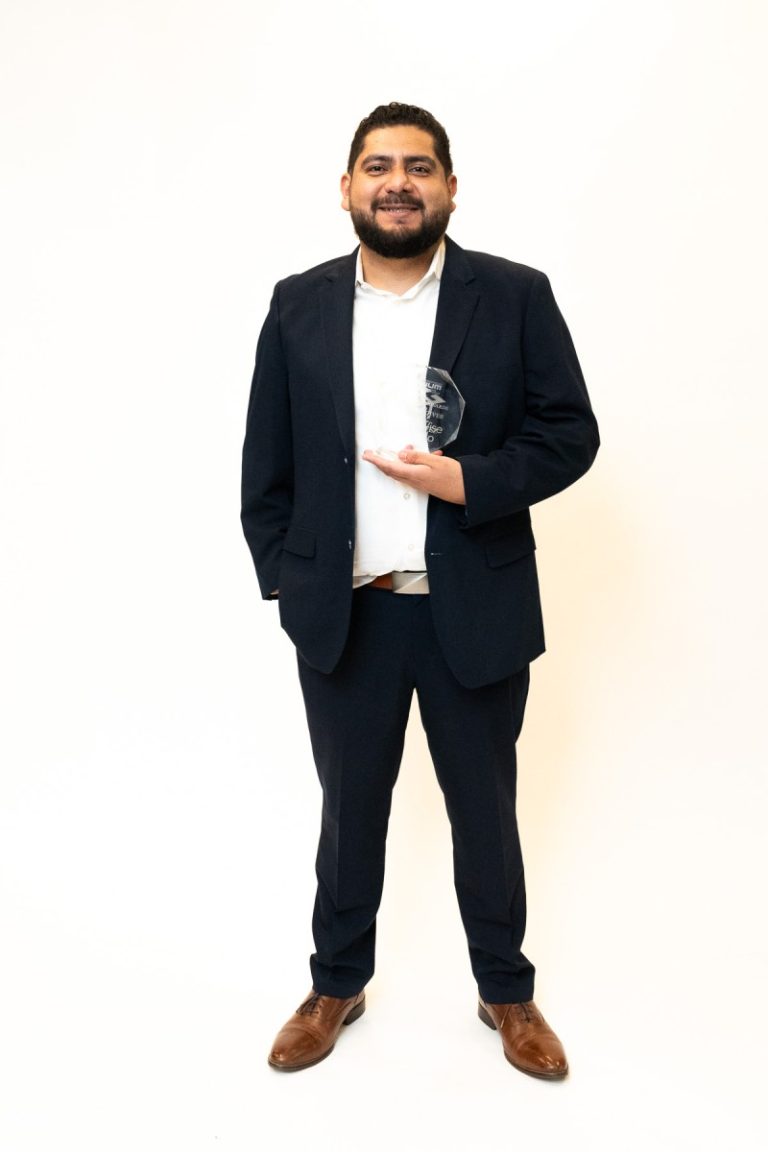
If it hadn’t been for a college visit to the University of Denver, I think I would have followed the stereotype expected of a person like me. I walked that campus as a ninth-grader and told myself, “This is where I belong.”

Having more diverse school psychologists is one key to building more cultural competence within schools. So why isn’t the field more diverse?
Today we are talking about recent immigration activities in our community and the effect it is having on DPS families. We are also welcoming another guest onto the podcast, Jorge Castañeda, a Denver-based immigration attorney.

The SHIFT Chronicles is a new monthly feature dedicated to amplifying student voices, where those most impacted by the public education system share their thoughts, reflections, and experiences. This month’s articles respond to the following prompt: The value of learning the truth of history. Reflections on visiting the African American History Museum and the Holocaust Museum in DC.

The following statement from EDUCATE Denver was intended for the February 6 Denver school board public comment session. However, due to the board’s strict new limitations on public comment, the author was unable to secure a speaking slot.
Kurt Dennis: ”What DPS does with school administrators that they’re not pleased with is go back through their history and they will find inevitably something that they’re going to use against that individual to justify getting rid of them for whatever reason.”

Thirteen people have applied for a one-year vacancy on the Denver school board created by the resignation last month of central-Denver representative DJ Torres. On this podcast episode, longtime District 3 resident and DPS parent and advocate Heather Lamm discusses with co-hosts Alexis Menocal Harrigan and Alan Gottlieb the candidates and what the board needs in and from its new member.
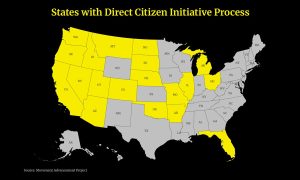
After failing to persuade state lawmakers to strip protections, religious and ultra-conservative activists are taking their case directly to voters.

Denver voters have approved mill levy overrides before. DPS collected $369.6 million last year from seven voter-approved overrides dating to 1988. That history is exactly why voters deserve specifics. A district that has been trusted this many times should be able to say what the next dollars will do.
Three eventful years into his tenure on the Denver Public Schools Board of Education, board member John Youngquist discusses where the board’s focus should be as it emerges (we hope) from a period of tumult, in-fighting and dysfunction.
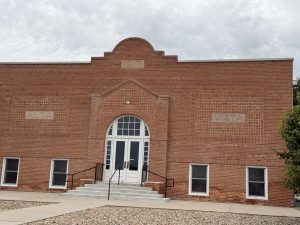
A rural school outside of Lamar converted to a charter almost 30 years ago. Alta Vista’s conversion history may be bordering on ancient, but it now holds potential relevance for communities across Colorado.

We asked Denver Classroom Teachers Association President Rob Gould, and Vernon Jones, a community advocate and executive director of FaithBridge, onto the show to discuss the mill levy, reasons voters should approve it, and to answer some questions about why maybe some voters should be skeptical that it’s a good idea. We also discussed board and district leadership and whether there need to be changes.
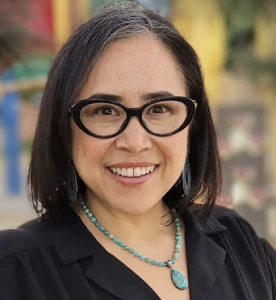
It is time for the board to call for new leadership of the body. A new officer election would give members an opportunity to reconsider that leadership and publicly articulate the expectations they have of those serving as president, vice president, and other offices.
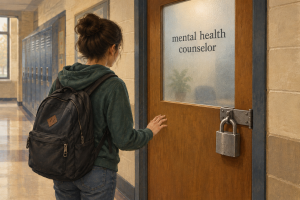
Recently, I’ve heard people question whether Denver should make another investment in our schools because of the disagreements and challenges happening among adults in the district. As a student, that is hard for me to understand. Whatever concerns adults have about leadership, governance, or accountability, taking investment away from students because of adult behavior feels like punishing us for decisions we did not make.
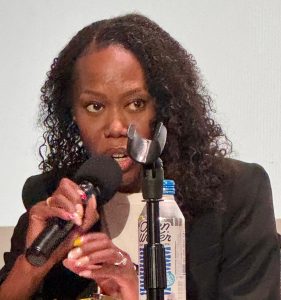
The Denver school board on Thursday, October 8, censured Director Monica Hunter for allegedly making anti-Semitic statements about a fellow board member. The censure followed a quick investigation by an outside party, and while the findings of the investigation were inconclusive, the board decided on a 4-2 vote that there was enough evidence to merit the censure. Potential conflicts of interest with Hunter’s employment also contributed to the decision to censure her. In this episode, co-hosts Alexis Menocal Harrigan and Alan Gottlieb discuss the fallout.
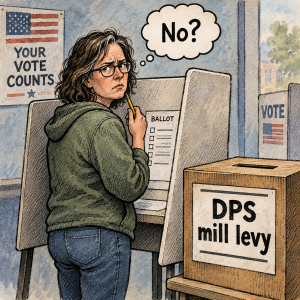
Maybe it is time for all of us to say NO to the board’s request for a $44 million mill levy tax increase. I am torn. Denver’s teachers need to be paid more. But I do not see how Denver will ever do better by most of its students without a clear plan, transparency, honest discussion of progress, and real accountability for student success — none of which this board has offered.

Podcast season 2 episode 29: Heather Lamm on DPS board vacancy
Thirteen people have applied for a one-year vacancy on the Denver school board created by the resignation last month of central-Denver representative DJ Torres. On this podcast episode, longtime District 3 resident and DPS parent and advocate Heather Lamm discusses with co-hosts Alexis Menocal Harrigan and Alan Gottlieb the candidates and what the board needs in and from its new member.