
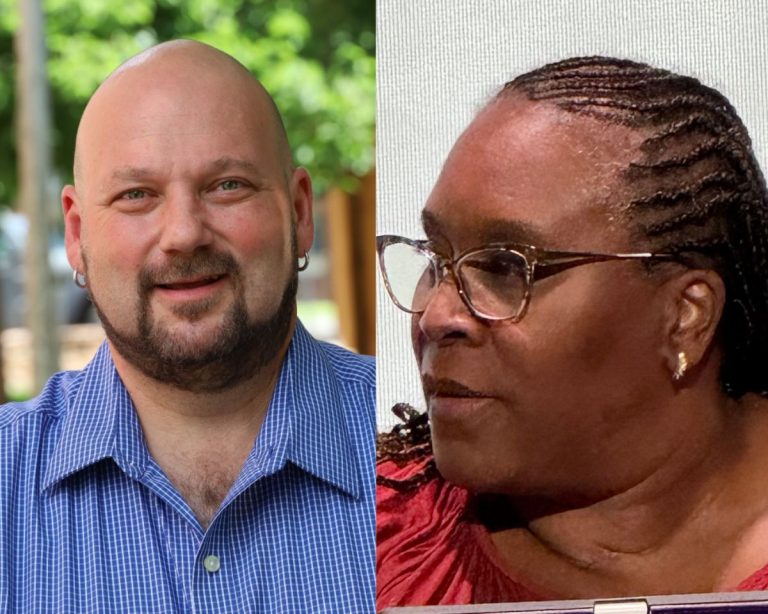
Last week, the local alumna chapter of the Delta Sigma Theta sorority and the Epitome of Black Excellence and Leadership hosted two forums for school-board candidates running at-large in Denver and in its northeast and central regions. Only two of the 10 eligible candidates showed up: Scott Esserman and Michelle Quattlebaum, incumbents with actual track records to dissect (and dissected, they were.).
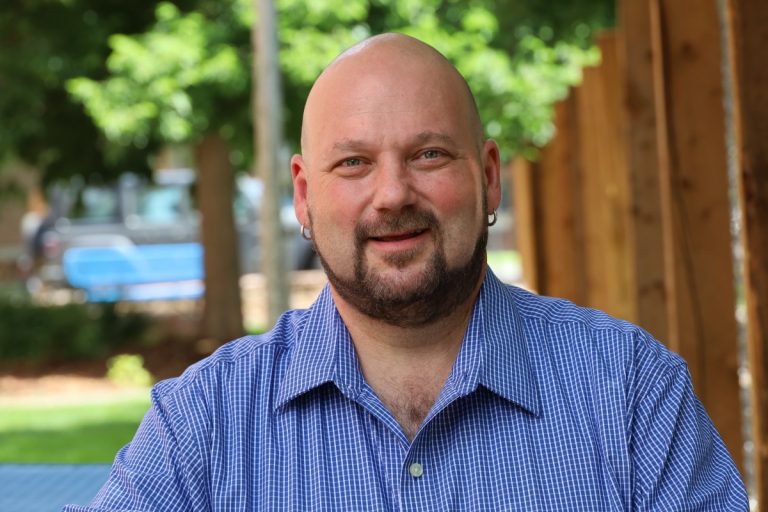
I’m sure it’s tough being any one of the three Denver school board incumbents right now, staring defeat in the face as they are. But that doesn’t excuse the desperate, dishonest drivel put out in a statement this week by candidate Scott Esserman, trying to tie four candidates to Donald Trump’s Project 2025.
In this latest episode of the BoardHawk podcast, co-hosts Alan Gottlieb and Alexis Menocal Harrigan discuss the state of the four races for Denver Public Schools board seats.

The SHIFT Chronicles is a monthly feature dedicated to amplifying student voices, where those most impacted by the public education system share their thoughts, reflections, and experiences. In collaboration with FaithBridge SHIFT fellows, these commentaries offer a genuine glimpse into the challenges students are facing within our city’s schools. These students represent a diverse range of schools across the city, each with distinct cultures and expectations, yet all united under the DPS banner. A special thank you to all the student writers who contributed their entries. This month’s entries focus on student views of the appropriate role of the Denver school board.

In this episode, Transform Education (TEN) Now Executive Director Nicholas Hernández discusses with hosts Alexis Menocal Harrigan and Alan Gottlieb the records of Denver school board candidates (and incumbents) Xóchitl Gaytán, Michelle Quattlebaum, and Scott Esserman. These three incumbents are running for reelection. We would have preferred to interview them, as we have most other candidates. They have served during one of the more tumultuous times in Denver Public Schools board history. They have been in the middle of multiple controversies, and they have a lot of explaining to do. But all three refused to come on the podcast, or to attend TEN community forums. So we examine their records without their participation.

I might not agree with the change you seek. But I do agree that you should be allowed to safely seek it. We aren’t there anymore.
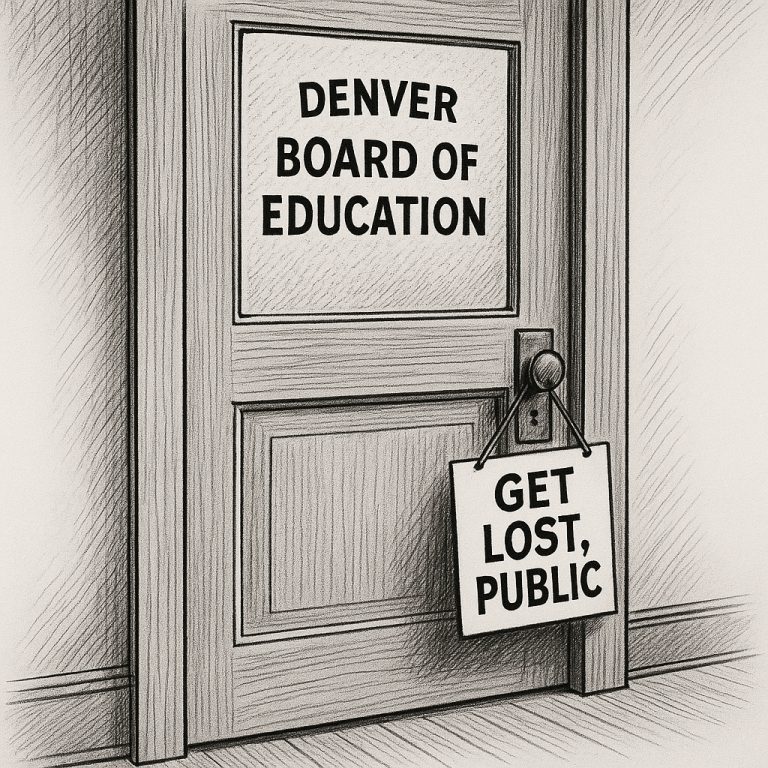
The Denver school board majority’s newly revealed effort to hide deliberations about the superintendents contract extension could be about to backfire. It should.

In this episode of the Boardhawk podcast, hosts Alexis Menocal Harrigan and Alan Gottlieb have an in-depth discussion on 2025 state test score results for Denver with educational consult and data expert Maya Lagana. While there are some sings of post-pandemic improvement, the data show that low-income students of color in Denver Public Schools continue to struggle academically, and achievement gaps have widened substantially since CMAS’ first year, 2017.

From Boardhawk columnist Dr. Aaron Massey: Here are a few things that are truly happening in education that are impacting its current state of affairs.

I have decided to not participate in this year’s school board election, having followed and/or been involved in some way in more than a dozen such elections over the last 20 years. I will not contribute money to any campaigns, do any fundraising or any other work on any school board races. Instead, I want to do more observation, learning, and reflection as a grizzled old public education advocate.
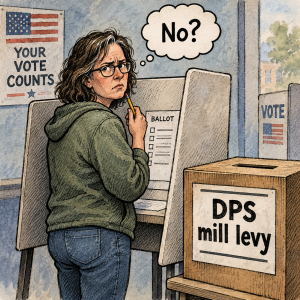
Maybe it is time for all of us to say NO to the board’s request for a $44 million mill levy tax increase. I am torn. Denver’s teachers need to be paid more. But I do not see how Denver will ever do better by most of its students without a clear plan, transparency, honest discussion of progress, and real accountability for student success — none of which this board has offered.

News broke midday Thursday that DJ Torres, who has served on the Denver Public Schools Board of Education, had resigned, effective immediately. So what happens now? And how will this affect the problematic board dynamics? We invited to the podcast to discuss this Parker Baxter, Scholar in Residence and Director of the Center for Education Policy Analysis at the School of Pubic Affairs at the University of Colorado Denver. Baxter is also a lawyer, and spent 20 years working on education policy, including a stint in the central office of Denver Public Schools during the Tom Boasberg era.

Alleged antisemitic statements by Denver school board member Monica Hunter aimed at her colleague Amy Klein Molk are problematic. Equally troubling, however, is why the superintendent and board president sat on them for nine months until it became politically expedient to release them. In this episode, co-hosts Alexis Menocal Harrigan and Alan Gottlieb discuss whether board relationships and trust in board President Xóchitl Gaytán and Superintendent Alex Marrero are irreparably damaged, and if so, what should happen as a result.
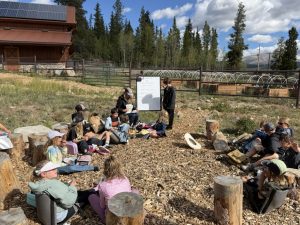
This is High Rockies Community School, a K-8 public charter school located at Sacramento Creek Ranch outside Fairplay. The four-day-a-week school is most notable for holding almost all of its instruction outdoors.

The Denver school board on Thursday, Sept. 17 voted unanimously to launch an investigation into allegations that board Director Monica Hunter made anti-semitic comments about fellow board member Amy Klein Molk, who is Jewish. In this episode, co-hosts Alexis Menocal Harrigan and Alan Gottlieb discuss the meeting’s bizarre twists and turns, and impacts on Denver Public Schools students, with Nicholas Hernández, executive director of the advocacy group Transform Education Now.

At the September 17 Denver Public Schools Board of Education public comment session, 14 people addressed the board and community about allegations leveled against two board members by the board President Xóchitl Gaytán, with an assist from Superintendent Alex Marrero. Two comments stood out, so we are publishing them here.

In its 2024–25 State of Charter Schools Report, the Colorado Department of Education concluded that charter schools had lower chronic absenteeism rates than non-charter schools in each of the previous three years.

In this episode, cohosts Alexis Menocal Harrigan and Alan Gottlieb discuss the latest Denver school board imbroglio, including potentially serious allegations, and its implications for Colorado’s largest school district.

Last week, Boardhawk published a detailed analysis of Denver Public Schools’ 2026 state test score (CMAS) data, as well as an evaluation of the state school performance framework rating of DPS. We invited the author of the piece, Cody Ostenson, on the podcast to discuss the findings.
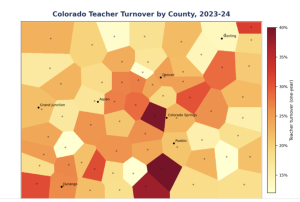
Students across rural Colorado have been back in school for a few weeks now. In far too many of their classrooms, they were greeted by a brand-new teacher. In some, they’ll find a rotating substitute, a class merged into one down the hall, or simply no permanent teacher at all, because the position was never filled. While not a perfect proxy for teacher effectiveness, the data that is available on turnover, vacancies, and certifications are the best available proxies we have in Colorado.
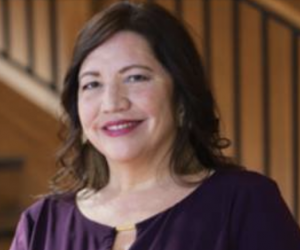

Should Denver voters say no to DPS mill levy?
Maybe it is time for all of us to say NO to the board’s request for a $44 million mill levy tax increase. I am torn. Denver’s teachers need to be paid more. But I do not see how Denver will ever do better by most of its students without a clear plan, transparency, honest discussion of progress, and real accountability for student success — none of which this board has offered.