
Colorado public schools are experiencing sustained enrollment declines (Denver less than many other districts), and that’s reshaping everything — school funding, staffing, program offerings, district politics, and debates over school choice. This is more than a demographic story; it’s a governance and values story. Today we are joined by Brian Eschacher to unpack enrollment trends, how school choice fits into the picture, and what districts and policy makers should be paying attention to next.

Three Denver high school students spell out their aspirational dreams for our country, in the spirit of Dr. Martin Luther King Jr., in a very dark time.
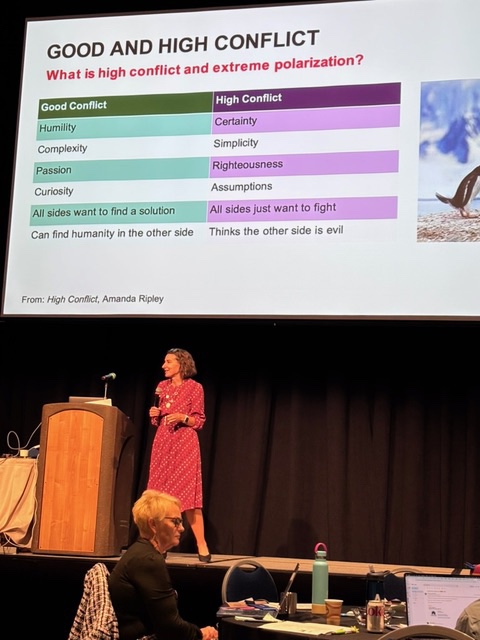
Dr. Katy Anthes served as Commissioner of Education in Colorado from 2016-2023, and is widely respected for her commitment to listen to diverse perspectives and her legacy of developing solutions that are founded on productive middle ground. Her perspective on how to foster meaningful dialogue and change across political and ideological differences has carried forward into her current work on a project called FORWARD: From Polarization to Progress.

In this piece, Colorado Mesa State University Trustee Alison Griffin offers a rebuttal to a recent column by Peter Huidekoper Jr. that argued that college students are being forced into career paths too quickly, at the expense of exploration and healthy uncertainty.
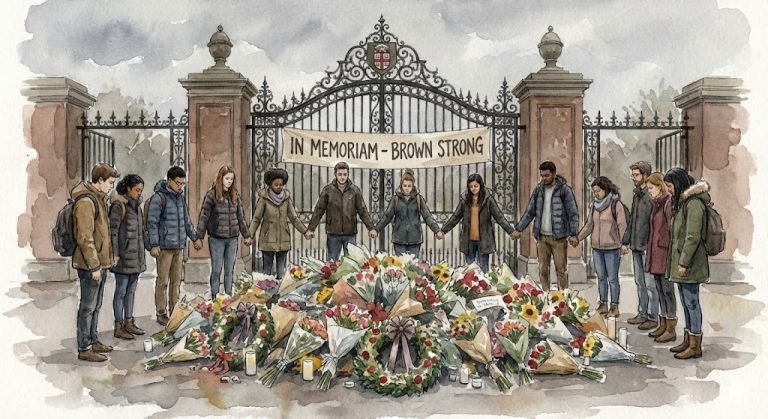
Boardhawk columnist Aaron Massey says the mass hooting last weekend at Brown University hit close to home. What, he asks, do teachers think about how to approach gun violence in American schools? “If you ask me, they are the ones that can make progress in solving gun violence.Teachers have a unique positionality in society in that they see children progress through the human developmental stages.”
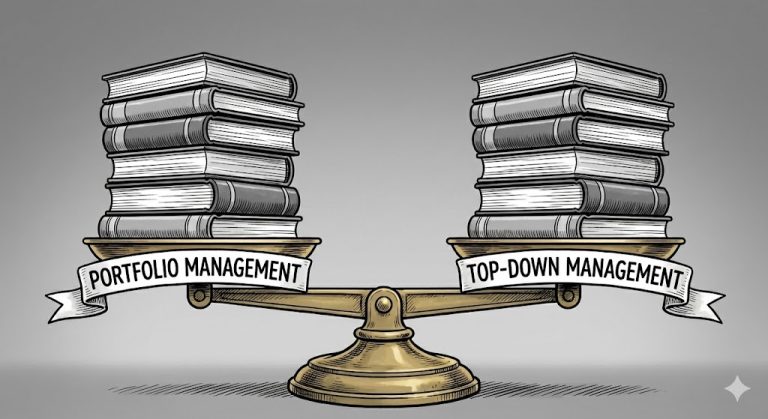
For many education reformers, this moment marks not only the end of portfolio management in Denver but the end of any real hope for sustained academic improvement, particularly for low-income students and students of color. While I remain a strong proponent of portfolio management, that conclusion is too simplistic and ultimately too pessimistic. There is still reason for cautious optimism, even under a centralized governance model that many of the reformers of the last decade instinctively distrust. Traditional, centrally managed districts, when led well, can improve student outcomes.
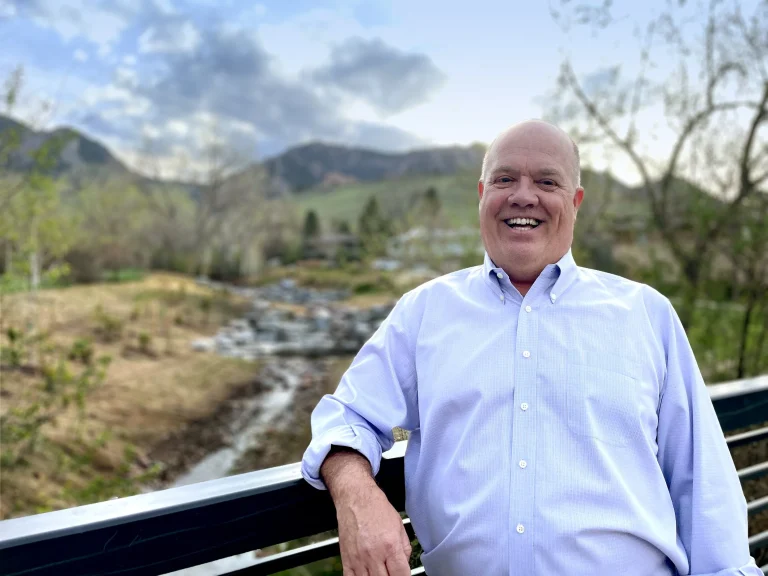
We asked Boulder school board member Alex Medler on to discuss his district’s bell-to-bell cellphone restriction policy, which is gaining momentum across the country (DPS is just forming a community committee to study the issue and make recommendations). We also wanted to hear his provocative thoughts, as a long time charter school advocate and “ed reformer” on how his perspective has changed after two years as a school board member. He has strong opinions about where reformers, and the foundations that fund them, have gone astray.

From Boulder Valley School District board member Alex Medler: Last fall, the Boulder Valley School District board took that responsibility seriously and voted for a bell-to-bell phone-free policy across all grades and all school hours. Adopting this “away for the day” policy was, I believe, one of the most powerful and positive decisions our board has ever made for our children. And it is exactly the kind of decision school boards across the country should have the courage to make.
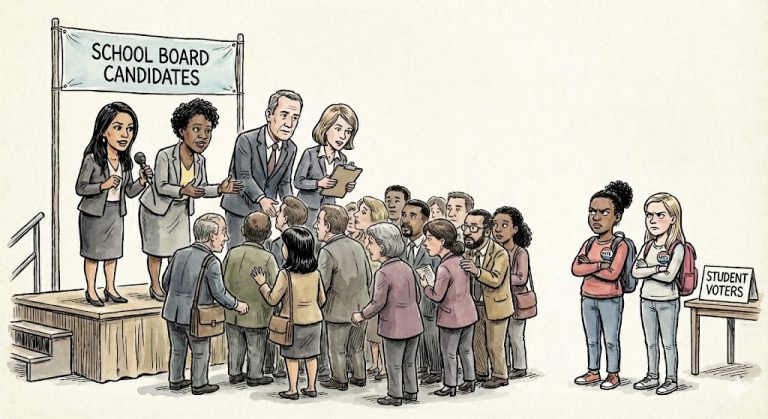
Editor’s note: The SHIFT Chronicles is a monthly feature dedicated to amplifying student voices, where those most impacted by the public education system share their thoughts, reflections, and experiences. In collaboration with FaithBridge SHIFT fellows, these commentaries offer a genuine glimpse into the challenges students are facing within our city’s schools. These students represent a diverse range […]
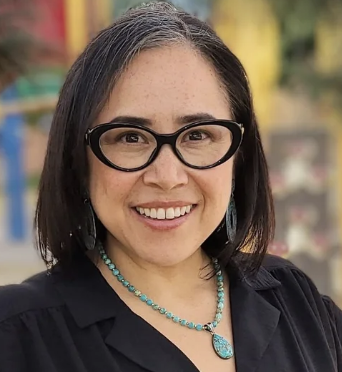
As we enter a new moment in Denver Public Schools governance, I intend to remain hopeful that the bumpy days of the past several years could be behind us. I will observe the new board carefully (the name Boardhawk remains relevant), and with respect and goodwill.
Yet I’d be foolishly naïve if I were pretend that the ghosts of the recent past don’t threaten to haunt the board and its three new members. There has been a lot of acrimony, pettiness, and ideologically rooted foolishness that has hampered the board and district’s progress in recent years.
Here, then are a few hopes and worries I carry in my mind as the new DPS board settles in.

At last week’s board meeting, board members asked for the superintendents’ final strategic road map. Confusion and frustration were on display during the discussion about the roadmap, executive limitations, and ends statements (policy governance jargon). In the video below, I walk through the meeting and its disagreements, and attempt to put it all in context.

Van Schoales examines the candidates for Denver’s school board vacancy, and assesses their chances of winning the District 3 Iron Throne.

Paula Noonan is an outspoken critic of charter schools and test-based accountability, who broadcasts her thoughts in a regular column in Colorado Politics. Nicholas Hernández is executive director of Transform Education Now, a parent advocacy organization that supports parents in advocating for robust educational options in Denver and environs. We brought them together on the podcast to debate school choice, charter schools, school funding, teacher quality, test-based accountability, and more. It’s a lively episode, somewhat longer than usual.

Perhaps the most important outcome of Colordo’s election had little to do with parties and candidates. Voters passed two ballot measures that will loosen the shackles that a 34-year-old constitutional amendment clamped on state government spending, including support of K-12 schools. The two ballot measures, Amendment 87 and Proposition NN, could bring the state government more than $2 billion in the first full year, much of that earmarked for education.

Four years ago, the U.S. Supreme Court issued a landmark ruling that said states can’t exclude faith-based schools from choice programs because they practice religion. Some Catholics in Colorado think their state has forgotten about that Maine case and similar decisions in favor of expanding religious freedom.
Thirteen people have applied for a one-year vacancy on the Denver school board created by the resignation last month of central-Denver representative DJ Torres. On this podcast episode, longtime District 3 resident and DPS parent and advocate Heather Lamm discusses with co-hosts Alexis Menocal Harrigan and Alan Gottlieb the candidates and what the board needs in and from its new member.
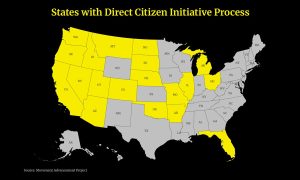
After failing to persuade state lawmakers to strip protections, religious and ultra-conservative activists are taking their case directly to voters.
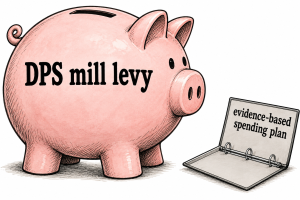
Denver voters have approved mill levy overrides before. DPS collected $369.6 million last year from seven voter-approved overrides dating to 1988. That history is exactly why voters deserve specifics. A district that has been trusted this many times should be able to say what the next dollars will do.
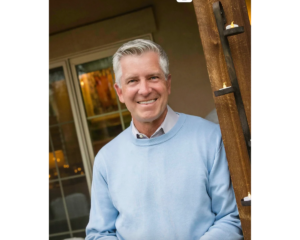
Three eventful years into his tenure on the Denver Public Schools Board of Education, board member John Youngquist discusses where the board’s focus should be as it emerges (we hope) from a period of tumult, in-fighting and dysfunction.
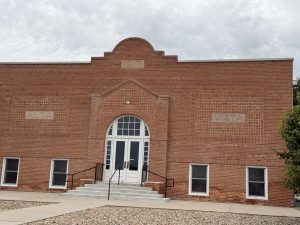
A rural school outside of Lamar converted to a charter almost 30 years ago. Alta Vista’s conversion history may be bordering on ancient, but it now holds potential relevance for communities across Colorado.
Denver school board isn’t dysfunctional; its leadership is.
At last week’s board meeting, board members asked for the superintendents’ final strategic road map. Confusion and frustration were on display during the discussion about the roadmap, executive limitations, and ends statements (policy governance jargon). In the video below, I walk through the meeting and its disagreements, and attempt to put it all in context.