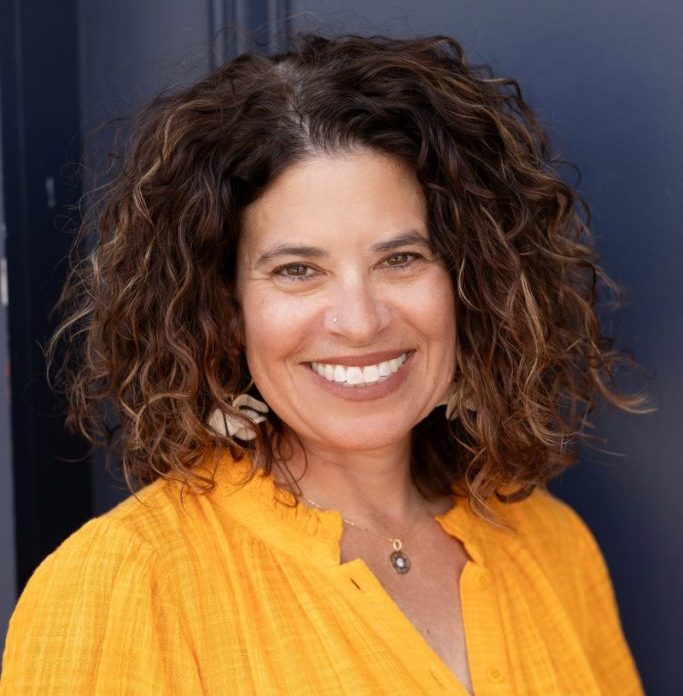
The Denver school board voted 4-2 Thursday evening to appoint Caron Blanke to serve as the central Denver board representative until the November 2027 election. The 4-2 vote could put to an end the union-reformer divide narrative that has dominated Denver school politics for so long.
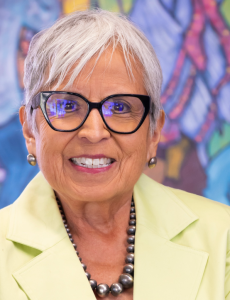
As Denver prepares to fill a vacancy on its school board, we thought it was a good time to look back at how Denver Public Schools came to have its current board district structure and how that structure shapes who gets elected. Our guest is Rosemary Rodriguez, whose years in public service, including four on the DPS board, give her a firsthand perspective on how Denver elects its school board members.
At last week’s board meeting, board members asked for the superintendents’ final strategic road map. Confusion and frustration were on display during the discussion about the roadmap, executive limitations, and ends statements (policy governance jargon). In the video below, I walk through the meeting and its disagreements, and attempt to put it all in context.
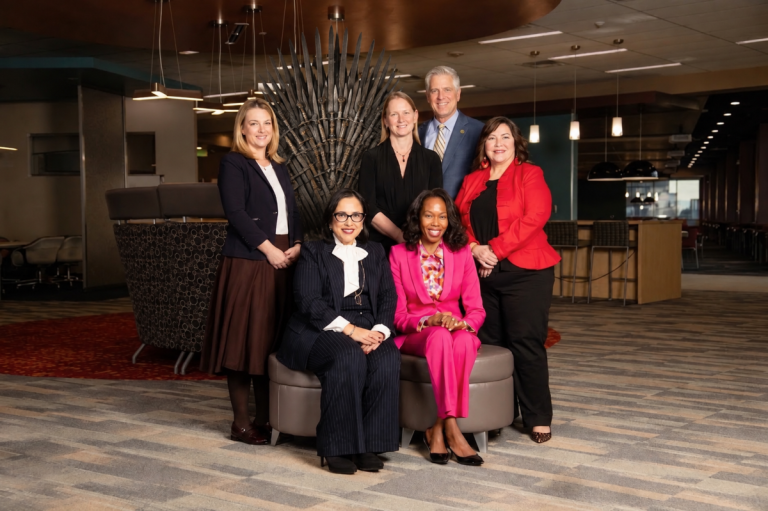
Van Schoales examines the candidates for Denver’s school board vacancy, and assesses their chances of winning the District 3 Iron Throne.

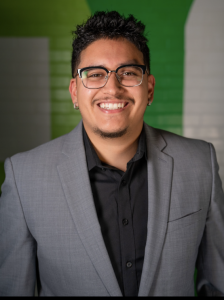
Paula Noonan is an outspoken critic of charter schools and test-based accountability, who broadcasts her thoughts in a regular column in Colorado Politics. Nicholas Hernández is executive director of Transform Education Now, a parent advocacy organization that supports parents in advocating for robust educational options in Denver and environs. We brought them together on the podcast to debate school choice, charter schools, school funding, teacher quality, test-based accountability, and more. It’s a lively episode, somewhat longer than usual.
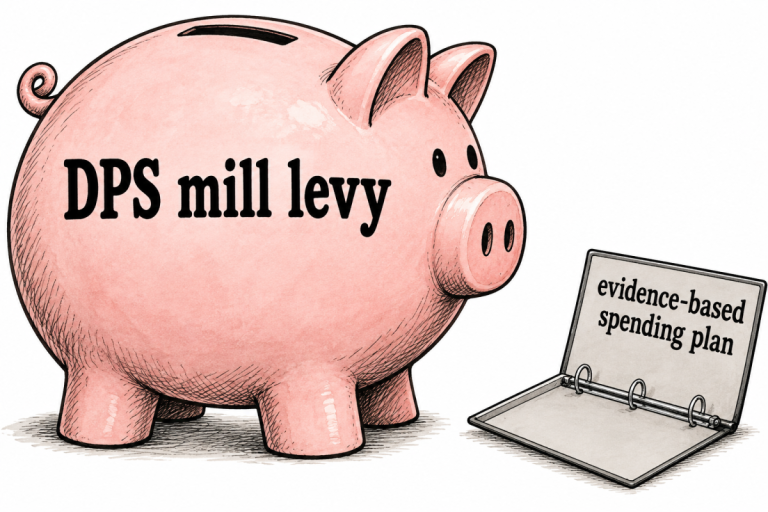
Denver voters have approved mill levy overrides before. DPS collected $369.6 million last year from seven voter-approved overrides dating to 1988. That history is exactly why voters deserve specifics. A district that has been trusted this many times should be able to say what the next dollars will do.

Three eventful years into his tenure on the Denver Public Schools Board of Education, board member John Youngquist discusses where the board’s focus should be as it emerges (we hope) from a period of tumult, in-fighting and dysfunction.

We asked Denver Classroom Teachers Association President Rob Gould, and Vernon Jones, a community advocate and executive director of FaithBridge, onto the show to discuss the mill levy, reasons voters should approve it, and to answer some questions about why maybe some voters should be skeptical that it’s a good idea. We also discussed board and district leadership and whether there need to be changes.
It is time for the board to call for new leadership of the body. A new officer election would give members an opportunity to reconsider that leadership and publicly articulate the expectations they have of those serving as president, vice president, and other offices.

Recently, I’ve heard people question whether Denver should make another investment in our schools because of the disagreements and challenges happening among adults in the district. As a student, that is hard for me to understand. Whatever concerns adults have about leadership, governance, or accountability, taking investment away from students because of adult behavior feels like punishing us for decisions we did not make.
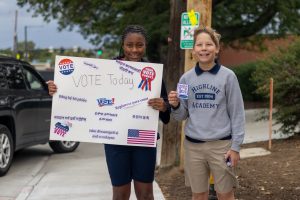
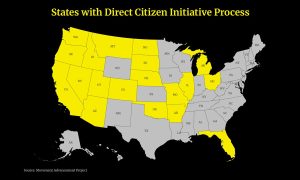
As someone who teaches U.S. history and emphasizes how the Constitution is a living document, it’s vital that my students understand the election process and how to participate in a way that feels encouraging.
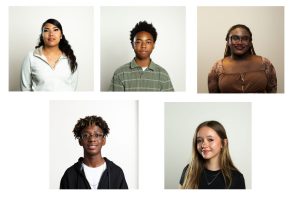
“I don’t believe schools are just places for learning. They’re safe havens for many students who need a break from toxic households or just serve as a place where they can be themselves. A supportive community within a school can make all the difference.”

On whether they were happy with the quality of their schools, only 40% of Colorado parents said they were; nationally it was 45%. Again, attitudes differed by income status: 35% low-income parents were satisfied with their school; 42% of middle- and high-income parents felt the same.
We’ve been sold college as the only path to social and economic mobility, but when we arrive, we don’t have the tools and knowledge to best navigate it. Was it more important to simply get us to college and not help position us in ways that we could really thrive when we got there?

As political winds shifted over the past five years, critics, including board and district leadership, have pummeled Bennet and Boasberg, calling them, among other things, white supremacists and enablers of racist and oppressive systems. Both men are politically astute, and have chosen not to address those insults directly. This white paper as their oblique way of refuting those unjust and hyperbolic critiques.

The Colorado League of Charter Schools has received a five-year, $68 million grant from the U.S. Department of Education’s Charter School Program (CSP), which will allow the nonprofit to significantly expand the charter footprint across Colorado.

One of our big initiatives was aligning as a network on key culture systems. We did a lot of work to reset our culture systems and raise the bar across the school. When you raise the bar for students, they will rise to meet it.

New data has again shown that charter school students are receiving quality opportunities. The Colorado Department of Education recently released its School Performance Framework (SPF) results for 2023-24, providing another fundamental lesson that charter schools are getting it right. Last year, the CREDO report from Stanford University showed that charter students are getting significantly more […]

Women as default parents, and the gender imbalance of women being over-represented in school engagement activities are indicative of a larger systemic failure in how we view the role of men and women in education, child care, and parenting. This isn’t simply a PTO issue.
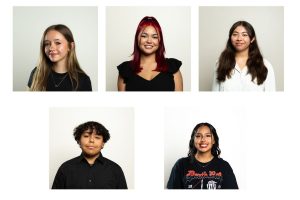
The SHIFT Chronicles is a new monthly feature dedicated to amplifying student voices, where those most impacted by the public education system share their thoughts, reflections, and experiences. In collaboration with FaithBridge SHIFT fellows, these commentaries offer a genuine glimpse into the challenges students are facing within our city’s schools.


Podcast season 2 episode 32: Selection of Caron Blanke suggests the old union-reformer divide may now be irrelevant
The Denver school board voted 4-2 Thursday evening to appoint Caron Blanke to serve as the central Denver board representative until the November 2027 election. The 4-2 vote could put to an end the union-reformer divide narrative that has dominated Denver school politics for so long.