
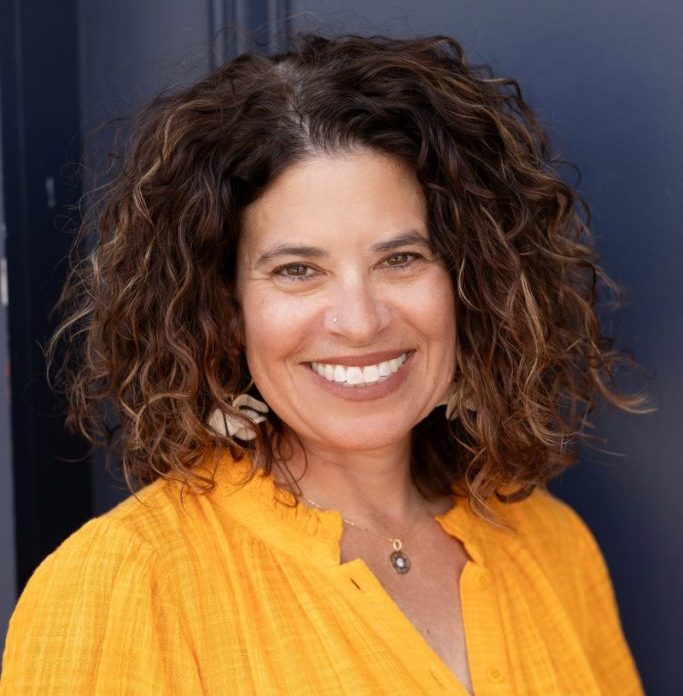
The Denver school board voted 4-2 Thursday evening to appoint Caron Blanke to serve as the central Denver board representative until the November 2027 election. The 4-2 vote could put to an end the union-reformer divide narrative that has dominated Denver school politics for so long.
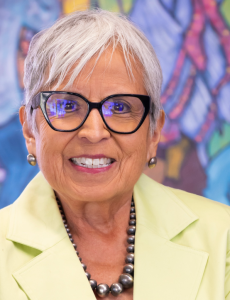
As Denver prepares to fill a vacancy on its school board, we thought it was a good time to look back at how Denver Public Schools came to have its current board district structure and how that structure shapes who gets elected. Our guest is Rosemary Rodriguez, whose years in public service, including four on the DPS board, give her a firsthand perspective on how Denver elects its school board members.
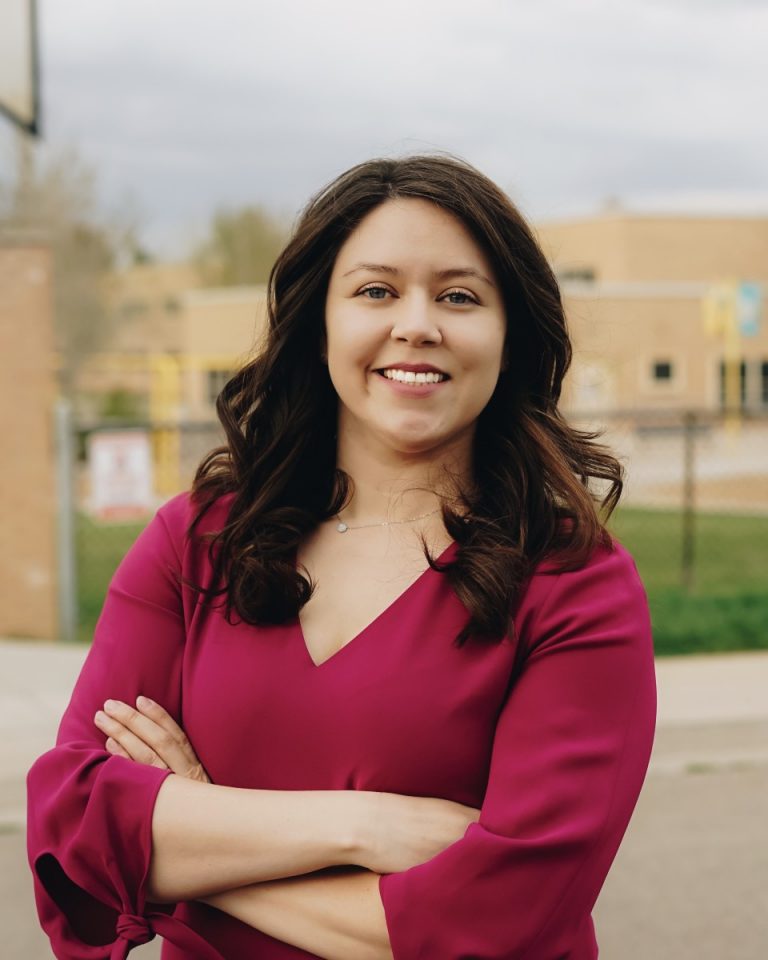
At last week’s board meeting, board members asked for the superintendents’ final strategic road map. Confusion and frustration were on display during the discussion about the roadmap, executive limitations, and ends statements (policy governance jargon). In the video below, I walk through the meeting and its disagreements, and attempt to put it all in context.

Van Schoales examines the candidates for Denver’s school board vacancy, and assesses their chances of winning the District 3 Iron Throne.

Paula Noonan is an outspoken critic of charter schools and test-based accountability, who broadcasts her thoughts in a regular column in Colorado Politics. Nicholas Hernández is executive director of Transform Education Now, a parent advocacy organization that supports parents in advocating for robust educational options in Denver and environs. We brought them together on the podcast to debate school choice, charter schools, school funding, teacher quality, test-based accountability, and more. It’s a lively episode, somewhat longer than usual.

Denver voters have approved mill levy overrides before. DPS collected $369.6 million last year from seven voter-approved overrides dating to 1988. That history is exactly why voters deserve specifics. A district that has been trusted this many times should be able to say what the next dollars will do.

Three eventful years into his tenure on the Denver Public Schools Board of Education, board member John Youngquist discusses where the board’s focus should be as it emerges (we hope) from a period of tumult, in-fighting and dysfunction.

We asked Denver Classroom Teachers Association President Rob Gould, and Vernon Jones, a community advocate and executive director of FaithBridge, onto the show to discuss the mill levy, reasons voters should approve it, and to answer some questions about why maybe some voters should be skeptical that it’s a good idea. We also discussed board and district leadership and whether there need to be changes.
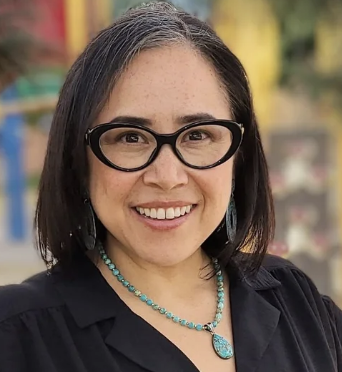
It is time for the board to call for new leadership of the body. A new officer election would give members an opportunity to reconsider that leadership and publicly articulate the expectations they have of those serving as president, vice president, and other offices.

Recently, I’ve heard people question whether Denver should make another investment in our schools because of the disagreements and challenges happening among adults in the district. As a student, that is hard for me to understand. Whatever concerns adults have about leadership, governance, or accountability, taking investment away from students because of adult behavior feels like punishing us for decisions we did not make.

It’s not lost on me that school shootings are a complicated societal issue and that everyone is invested in school safety. I am suggesting, however, that when we have an issue that everyone is invested in solving and we still haven’t solved it, we might want to start thinking about it in a different way.
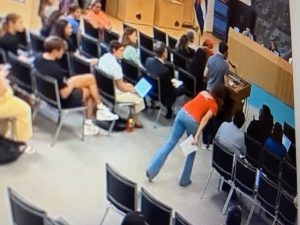
Kristen Fry, who brought the suit, was accused in August 2023 of using a racial slur and of assault against a Black community activist and political consultant, Hashim Coates, that led to a rush to judgment by the school board to cast Fry as racist. She was later exonerated by a video of the incident that DPS withheld until subpoenaed by her attorneys.

It is true that DPS students and subgroups of students (low-income students and kids of color) outpaced the state on growth measures in many areas. But at the rate that many DPS students are growing, they will never reach grade-level proficiency. That has profound implications for their futures, and is hardly cause for celebration.

We have an opportunity in Denver to lead the way in how to equip students with these vital skills; to be the standard of financial education and cultural awareness in the state and beyond. However, for this to be possible, we need to create the systems and structures in DPS to last beyond any administrative changes, personnel movement and alumni who graduate from Denver high schools.

As students prepared to return to the classroom in Denver, Boardhawk asked teachers to share what they were hopeful for in the new year and what they wished for their students.

In the upside down world of schools, classroom teachers rank the lowest while those closest to administrators rank the highest.

From columnist Alexis Menocal Harrigan: It’s clear this email campaign did too much and missed the mark by focusing on self-promotion and not the immediate needs of students and families. When parents like me are seeking reassurance and helpful information as the school year begins, we were instead met with a barrage of grandstanding that did little to address anything we are concerned with at present.
Boardhawk exclusive: Records obtained through the Colorado Open Records Act show 68,818 teacher absentee days at 157 DPS schools last school year compared to 39,772 teacher absentee days at 162 schools in the 2019-20 school year — a 73% increase.
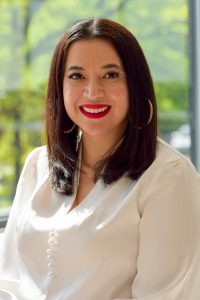
“First and foremost, I’m just a real zealot for charter schools. I believe so deeply in the opportunity for families to choose a great school. I think it’s one of the most important decisions they’ll make and I believe the charter movement was created to promote innovation, to prove something, and, more than anything, represent a family’s choice.”

When students saw teachers hitting the Nae Nae, they were elated. It’s a clearcut example of how Hip Hop improved schools. When teachers did the dance, students began to see them as human as opposed to disinterested adults that know nothing about them. Teachers connected with students in a way that was authentic to them. Connecting with students in authentic ways directly contributes to student engagement.


Podcast season 2 episode 32: Selection of Caron Blanke suggests the old union-reformer divide may now be irrelevant
The Denver school board voted 4-2 Thursday evening to appoint Caron Blanke to serve as the central Denver board representative until the November 2027 election. The 4-2 vote could put to an end the union-reformer divide narrative that has dominated Denver school politics for so long.