

Last week, Denver Public Schools Superintendent Alex Marrero presented to the school board a slide deck labeled Denver Thrives 2030: A Strategic Roadmap refresh. The deck was thin on just about everything, lacking strategy and a clear vision of what lays ahead and how to tackle challenges and opportunities over the next few years.
In a sterling example of pretzel logic, a new Denver Post editorial argues that because Marrero wants to leave, and because the district has spent well over $100,000 on a (possibly corrupt) mentor and international travel to conferences (generally referred to as professional development), Marrero should be forced to stay through the end of his contract in 2028.
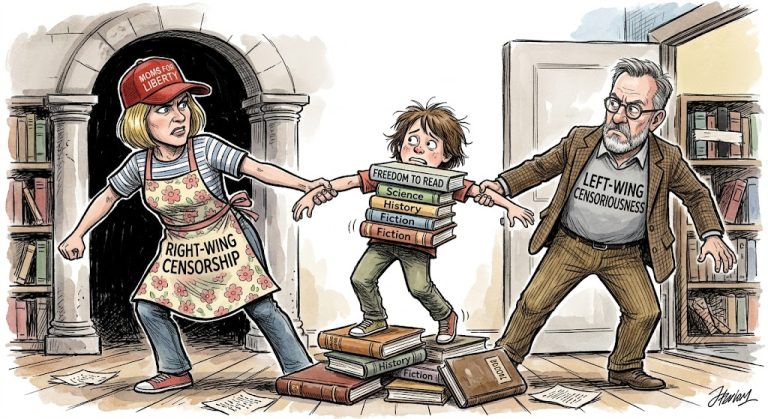
On our 250th, let’s hope political divisions won’t keep us from agreeing on one simple idea: that a democracy depends on students who are literate and who have a solid understanding of our history.

This DPS regime has shown minimal interest in deeply examining data and taking concrete steps to improve matters. It seems focused instead on making Marrero look good so he can slip out the door into a bigger job in a bigger city, with a bigger salary.

What I’ve come to learn is that effective school teams are not much different than effective basketball teams. That the decisions made in film sessions, player meetings, and the front office are similar in importance to school board meetings, professional developments, and the central office. And that if winning is our goal (i.e. getting results alongside students), you have to have a feel for the game AND understand analytics.

When students spend every passing period, lunch period, and free moment looking at a screen, we lose opportunities for human connection. We lose opportunities for friendship, community, and belonging. We lose opportunities for trusted adults to notice when a student may be struggling.
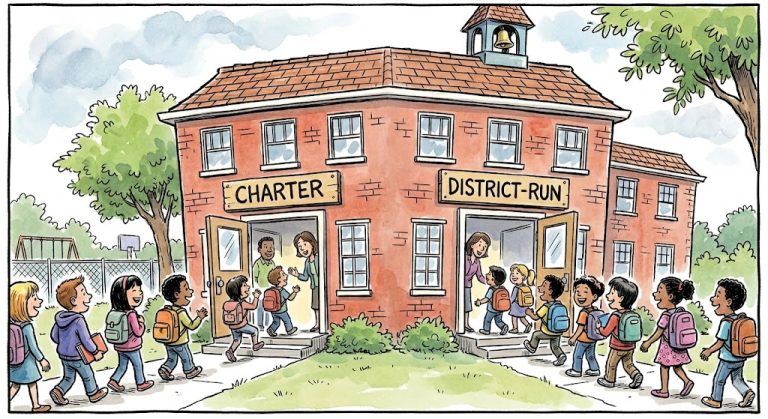
Not all co-locations feel the same. Some create a sense of direct competition; others feel more complementary. That distinction matters because successful co-location requires more than operational efficiency. It requires trust, structure, and intentional partnership.

You can now listen and/or watch us on YouTube, also embedded in this article!
Our guest for this episode is Pat Donovan, who has been a leading Denver public-education advocate for many years. He led the advocacy and funding organization RootED, held a top leadership position at its successor, Denver Families for Public Schools. He heads the board of Rocky Mountain Prep, one of Denver’s largest, homegrown charter school networks. He’s also a board member at the Colorado League of Charter Schools.
Donovan has a long perspective on a variety of trends in Denver Public Schools, including how well the district is preparing students for life after high school and the narrowing of school choice. We invited Pat on for a wide-ranging discussion on these and other DPS-related topics.
Boardhawk wanted former Denver school board member Scott Esserman on the podcast because we vigorously disagreed with him on a range of Denver Public Schools issues during his tenure, and wrote about him in a harshly critical tone on several occasions. At times the tone of those criticisms might have obscured the substantive differences in policy and philosophy that underlay them. Some of those disagreements include the performance of Superintendent Alex Marrero, whether DPS is headed n the right direction, Marrero’s contract extension, and school safety.
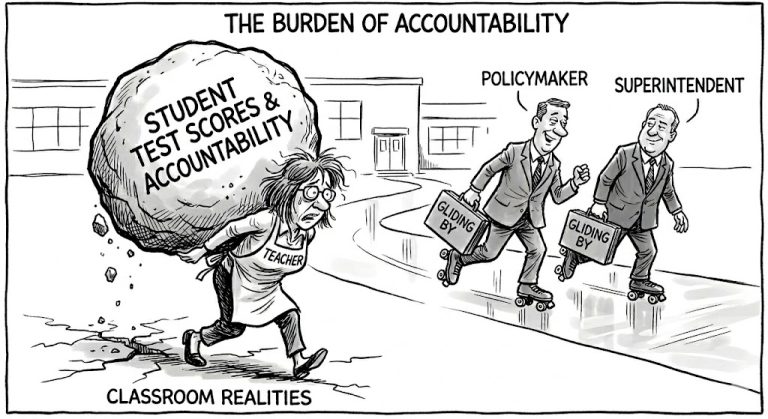
But while holding the right people accountable to the implementation of schooling is critical, a primary focus on accountability of implementation is incomplete. How excellent teachers and administrators navigate the conditions/systems of school, are a) are impacted by constraints of a system and b) have an impact on what we all want from school: results.
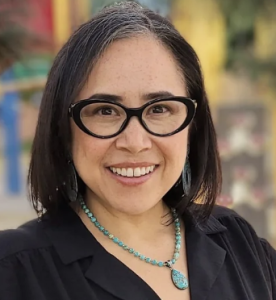
It is time for the board to call for new leadership of the body. A new officer election would give members an opportunity to reconsider that leadership and publicly articulate the expectations they have of those serving as president, vice president, and other offices.
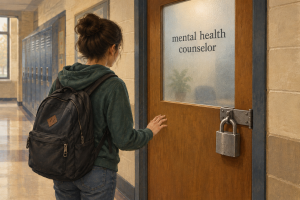
Recently, I’ve heard people question whether Denver should make another investment in our schools because of the disagreements and challenges happening among adults in the district. As a student, that is hard for me to understand. Whatever concerns adults have about leadership, governance, or accountability, taking investment away from students because of adult behavior feels like punishing us for decisions we did not make.
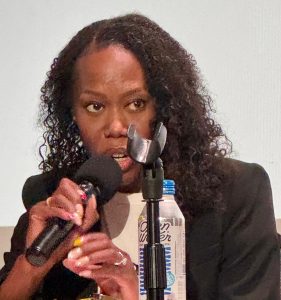
The Denver school board on Thursday, October 8, censured Director Monica Hunter for allegedly making anti-Semitic statements about a fellow board member. The censure followed a quick investigation by an outside party, and while the findings of the investigation were inconclusive, the board decided on a 4-2 vote that there was enough evidence to merit the censure. Potential conflicts of interest with Hunter’s employment also contributed to the decision to censure her. In this episode, co-hosts Alexis Menocal Harrigan and Alan Gottlieb discuss the fallout.
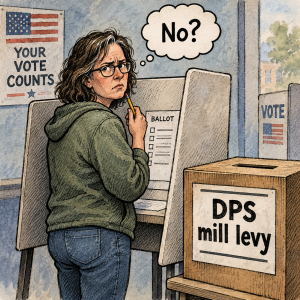
Maybe it is time for all of us to say NO to the board’s request for a $44 million mill levy tax increase. I am torn. Denver’s teachers need to be paid more. But I do not see how Denver will ever do better by most of its students without a clear plan, transparency, honest discussion of progress, and real accountability for student success — none of which this board has offered.

News broke midday Thursday that DJ Torres, who has served on the Denver Public Schools Board of Education, had resigned, effective immediately. So what happens now? And how will this affect the problematic board dynamics? We invited to the podcast to discuss this Parker Baxter, Scholar in Residence and Director of the Center for Education Policy Analysis at the School of Pubic Affairs at the University of Colorado Denver. Baxter is also a lawyer, and spent 20 years working on education policy, including a stint in the central office of Denver Public Schools during the Tom Boasberg era.

Alleged antisemitic statements by Denver school board member Monica Hunter aimed at her colleague Amy Klein Molk are problematic. Equally troubling, however, is why the superintendent and board president sat on them for nine months until it became politically expedient to release them. In this episode, co-hosts Alexis Menocal Harrigan and Alan Gottlieb discuss whether board relationships and trust in board President Xóchitl Gaytán and Superintendent Alex Marrero are irreparably damaged, and if so, what should happen as a result.
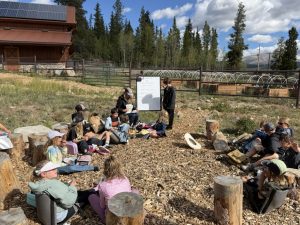
This is High Rockies Community School, a K-8 public charter school located at Sacramento Creek Ranch outside Fairplay. The four-day-a-week school is most notable for holding almost all of its instruction outdoors.

The Denver school board on Thursday, Sept. 17 voted unanimously to launch an investigation into allegations that board Director Monica Hunter made anti-semitic comments about fellow board member Amy Klein Molk, who is Jewish. In this episode, co-hosts Alexis Menocal Harrigan and Alan Gottlieb discuss the meeting’s bizarre twists and turns, and impacts on Denver Public Schools students, with Nicholas Hernández, executive director of the advocacy group Transform Education Now.

At the September 17 Denver Public Schools Board of Education public comment session, 14 people addressed the board and community about allegations leveled against two board members by the board President Xóchitl Gaytán, with an assist from Superintendent Alex Marrero. Two comments stood out, so we are publishing them here.

In its 2024–25 State of Charter Schools Report, the Colorado Department of Education concluded that charter schools had lower chronic absenteeism rates than non-charter schools in each of the previous three years.


The DPS board needs a leadership reset
It is time for the board to call for new leadership of the body. A new officer election would give members an opportunity to reconsider that leadership and publicly articulate the expectations they have of those serving as president, vice president, and other offices.