

The potentially deadly ineptitude of Denver Public Schools’ approach to safety under the current regime is laid bare in a searing ruling issued this week by a federal judge in the lawsuit of an East High School dean shot inside the school by a student three years ago.
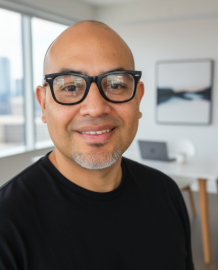
Artificial intelligence is one of the hot topics in education right now, and we wanted to hear from someone who is both thinking deeply about it and leading in this space. That’s why Antonio Vigil is the ideal guest for this episode of the podcast.
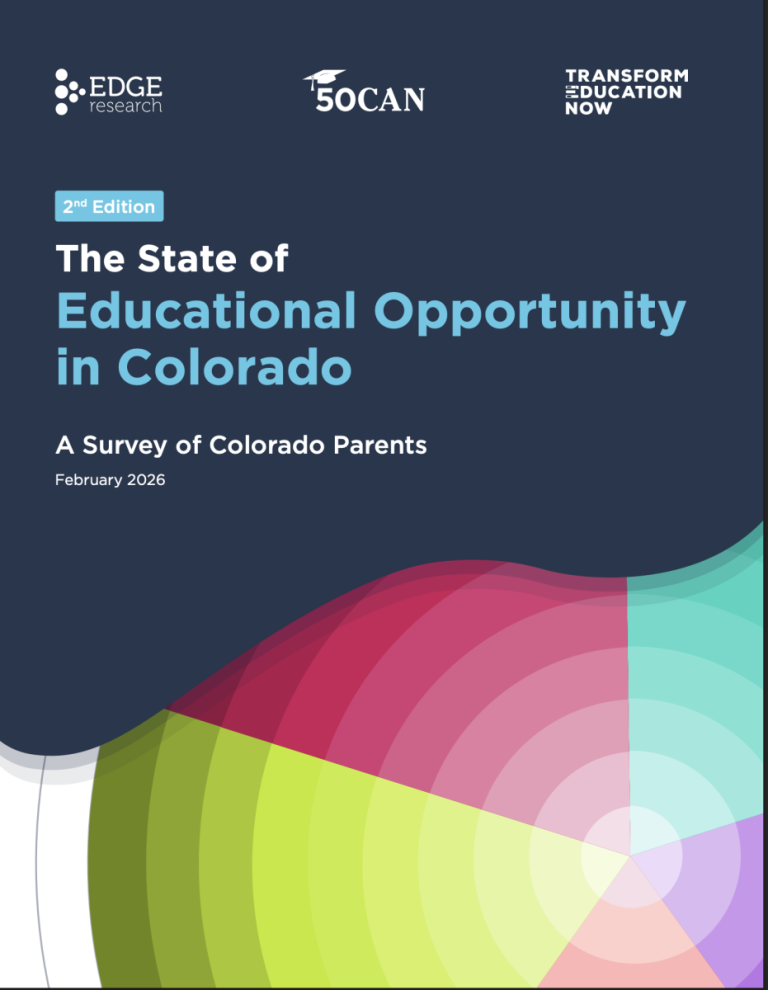
50CAN, a national education advocacy organization, and Transform Education Now (TEN), its Colorado affiliate, recently released a report called The State of Educational Opportunity in Colorado, a survey of some 515 parents from across the state. ur guests for this podcast episode are Marc Porter Magee, the founder and CEO of 50CAN, and Nicholas Hernández, the co-founder and executive director of TEN. The Colorado report and national survey data are filled with fascinating insights that say a great deal about current attitudes toward public education, school choice, and parental engagement.
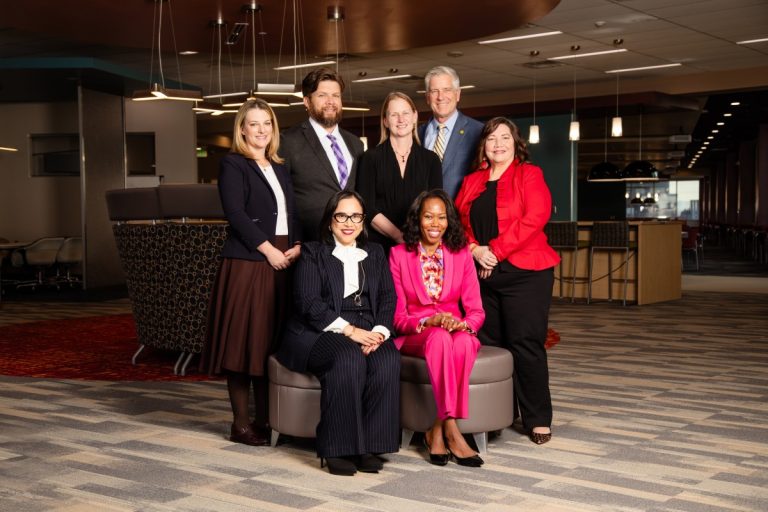
Last week Boardhawk editor Alan Gottlieb published an article about the dysfunctional leadership of the Denver School Board under President Xóchitl Gaytán. In this new podcast episode Gottlieb and co-host Alexis Menocal Harrigan delver mnore deeply into this issue, along with Cody Ostenson, Director of External Affairs for Denver Families for Public Schools. Ostenson is one of if not the closest observer of the board and Denver Public Schools. His insights into board dynamics and DPS generally are invaluable.
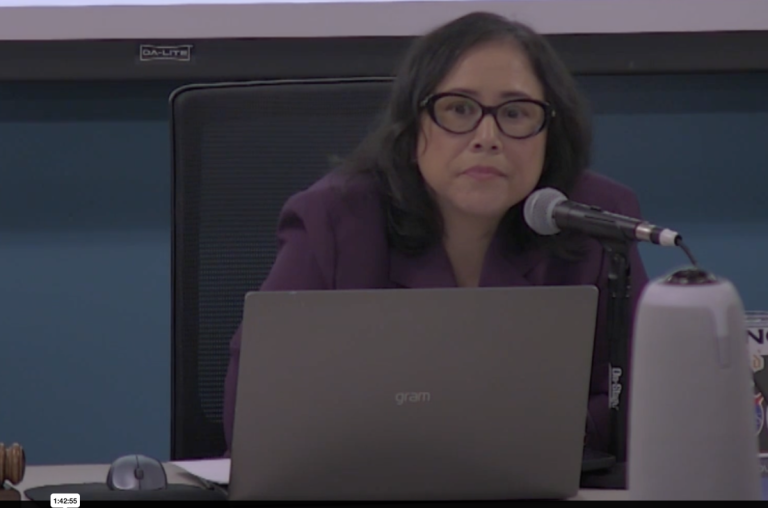
Three months into her second stint as president of the Denver Board of Education, it’s becoming clear that Xóchitl Gaytán’s leadership skills have not improved since her tumultuous first tenure, and that she bears sole responsibility for the strife that has begun plaguing this new board.

Last week, Boardhawk published a piece by educator and education researcher Peter Huidekoper Jr. about the baffling move by the Colorado Department of Education late last year to boost the state rating of Denver’s Abraham Lincoln High School despite a longstanding and ongoing record of failure to educate most of its students to anything approaching grade level proficiency. We asked Huidekoper onto the podcast to take a deeper dive into this issue.
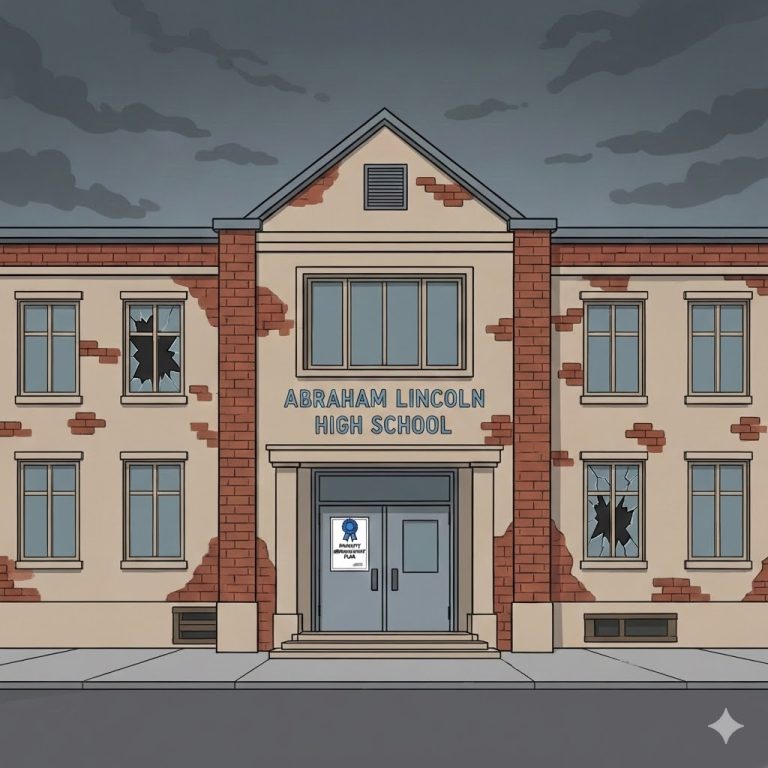
Deeply troubling test score results. Remarkably high chronic absenteeism, truancy, and student attrition. The Colorado Department of Education needs to explain why it raised its rating of Denver’s Abraham Lincoln High School.

Right now, today, people are in the early stages of exploiting that some of us are afraid to speak up and some of us are not. You have just as valid of a reason to not speak up as those that didn’t speak up during Jim Crow. And though that might come off as direct, the gravity of what’s happening in your community, right now, is no less paramount.

Justice-driven systems do not rely on families to escape harm. They eliminate harm at its source. They do not measure success by averages or exceptions, but by whether the most marginalized students and their families experience stability, excellence, and opportunity — where they live and where they choose to learn.
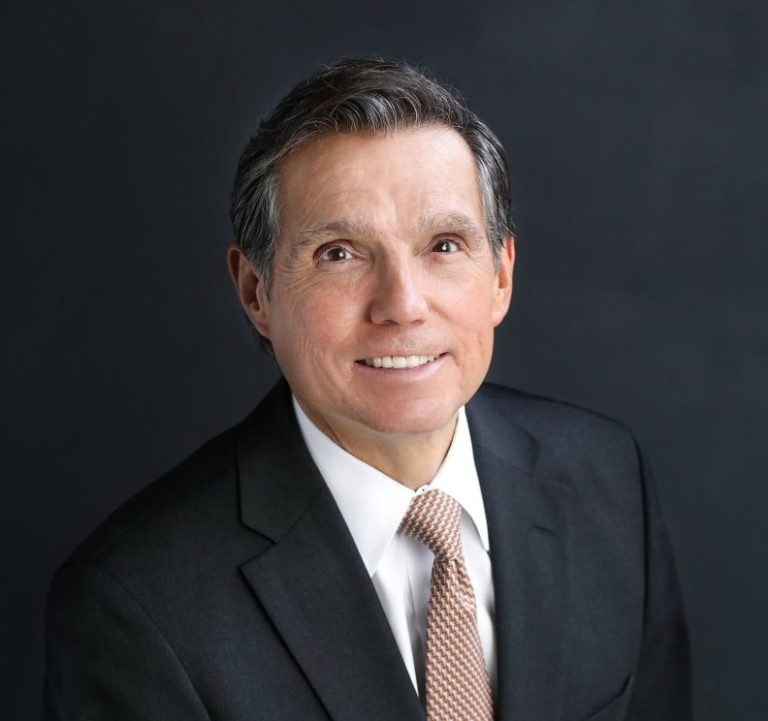
Former Denver Mayor Federico Peña this week authored a provocative article in Westword advocating for merging Denver Public Schools, which he calls a “failing institution,” into Denver city government. He came on the podcast to explain his reasons, and how this might be made a reality down the road.
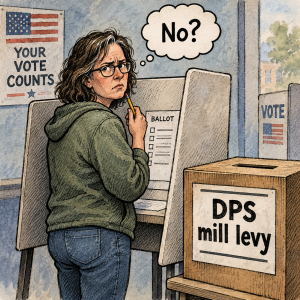
Maybe it is time for all of us to say NO to the board’s request for a $44 million mill levy tax increase. I am torn. Denver’s teachers need to be paid more. But I do not see how Denver will ever do better by most of its students without a clear plan, transparency, honest discussion of progress, and real accountability for student success — none of which this board has offered.

News broke midday Thursday that DJ Torres, who has served on the Denver Public Schools Board of Education, had resigned, effective immediately. So what happens now? And how will this affect the problematic board dynamics? We invited to the podcast to discuss this Parker Baxter, Scholar in Residence and Director of the Center for Education Policy Analysis at the School of Pubic Affairs at the University of Colorado Denver. Baxter is also a lawyer, and spent 20 years working on education policy, including a stint in the central office of Denver Public Schools during the Tom Boasberg era.

Alleged antisemitic statements by Denver school board member Monica Hunter aimed at her colleague Amy Klein Molk are problematic. Equally troubling, however, is why the superintendent and board president sat on them for nine months until it became politically expedient to release them. In this episode, co-hosts Alexis Menocal Harrigan and Alan Gottlieb discuss whether board relationships and trust in board President Xóchitl Gaytán and Superintendent Alex Marrero are irreparably damaged, and if so, what should happen as a result.
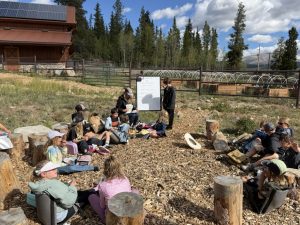
This is High Rockies Community School, a K-8 public charter school located at Sacramento Creek Ranch outside Fairplay. The four-day-a-week school is most notable for holding almost all of its instruction outdoors.

The Denver school board on Thursday, Sept. 17 voted unanimously to launch an investigation into allegations that board Director Monica Hunter made anti-semitic comments about fellow board member Amy Klein Molk, who is Jewish. In this episode, co-hosts Alexis Menocal Harrigan and Alan Gottlieb discuss the meeting’s bizarre twists and turns, and impacts on Denver Public Schools students, with Nicholas Hernández, executive director of the advocacy group Transform Education Now.

At the September 17 Denver Public Schools Board of Education public comment session, 14 people addressed the board and community about allegations leveled against two board members by the board President Xóchitl Gaytán, with an assist from Superintendent Alex Marrero. Two comments stood out, so we are publishing them here.

In its 2024–25 State of Charter Schools Report, the Colorado Department of Education concluded that charter schools had lower chronic absenteeism rates than non-charter schools in each of the previous three years.

In this episode, cohosts Alexis Menocal Harrigan and Alan Gottlieb discuss the latest Denver school board imbroglio, including potentially serious allegations, and its implications for Colorado’s largest school district.

Last week, Boardhawk published a detailed analysis of Denver Public Schools’ 2026 state test score (CMAS) data, as well as an evaluation of the state school performance framework rating of DPS. We invited the author of the piece, Cody Ostenson, on the podcast to discuss the findings.
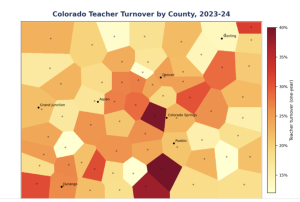
Students across rural Colorado have been back in school for a few weeks now. In far too many of their classrooms, they were greeted by a brand-new teacher. In some, they’ll find a rotating substitute, a class merged into one down the hall, or simply no permanent teacher at all, because the position was never filled. While not a perfect proxy for teacher effectiveness, the data that is available on turnover, vacancies, and certifications are the best available proxies we have in Colorado.

Should Denver voters say no to DPS mill levy?
Maybe it is time for all of us to say NO to the board’s request for a $44 million mill levy tax increase. I am torn. Denver’s teachers need to be paid more. But I do not see how Denver will ever do better by most of its students without a clear plan, transparency, honest discussion of progress, and real accountability for student success — none of which this board has offered.