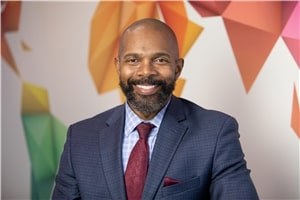
Dr. Richard Charles, DPS’ chief information officer, is an experienced technologist who understands the nuanced landscape of technology in education and AI as a means to improve student outcomes.

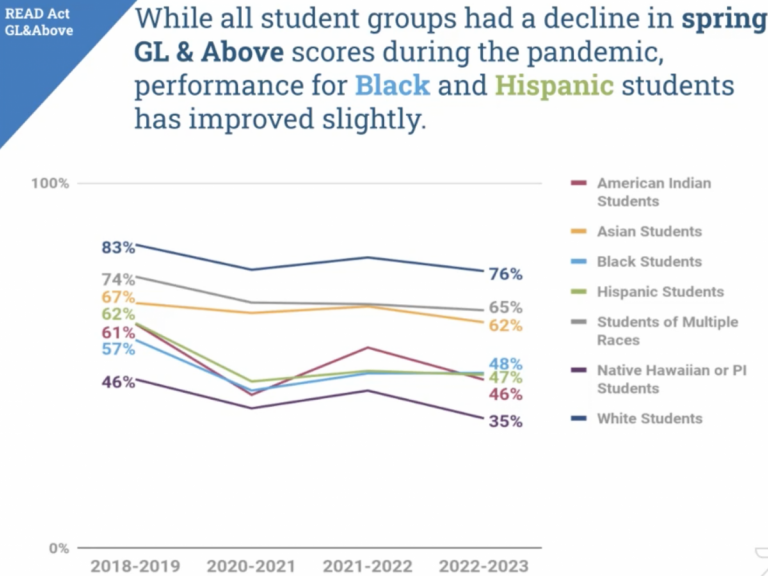
Large numbers of students in upper elementary, middle school, and high school lack reading proficiency and, if current trends continue, are never going to catch up.
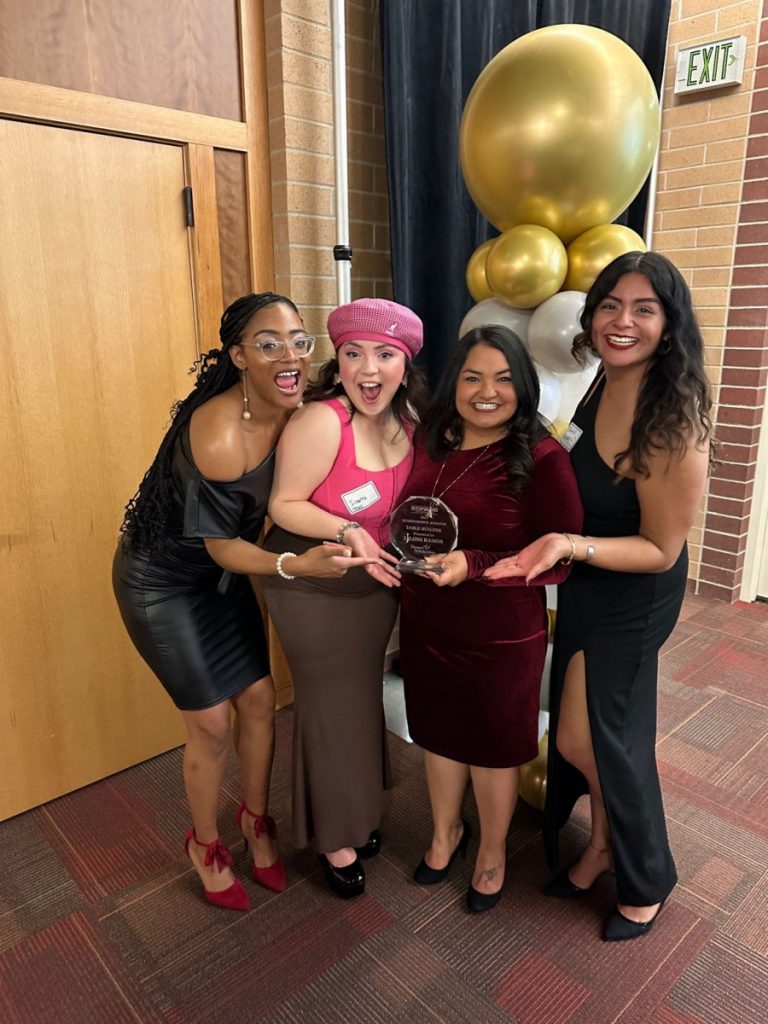
What if all leaders of color felt advocated for, sponsored and supported to be leaders in their communities, the way I did as a first-grader?

If you want to know how to solve crime, depression, inequity, damn racism, sexism, all them isms. If you want to know how to do that, come holler at education.

My charter high school did an excellent job providing students of color with different opportunities like internships and extracurricular activities, but I wonder if these resources are also available and known to students in other nearby schools.
Last Friday’s board work session was refreshing. The meeting was a thoughtful discussion among peers who were asking questions of prepared and informed staff on topics that matter — the welfare and academic achievement of children.
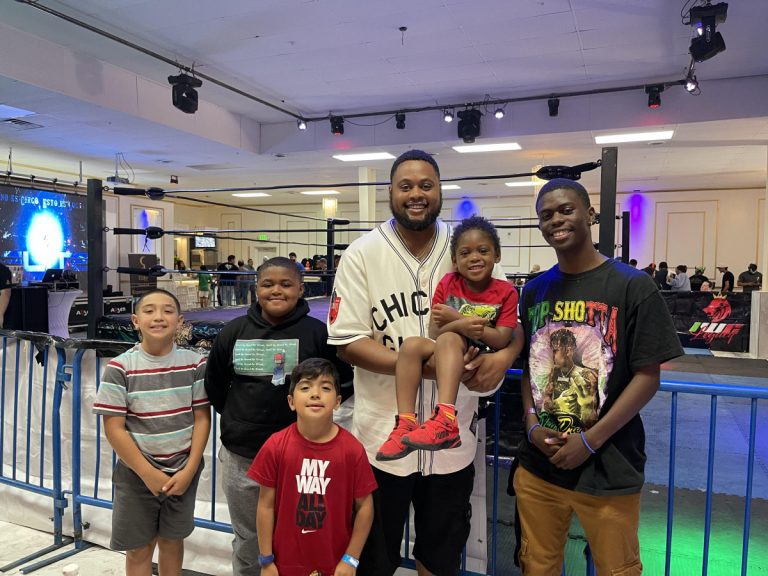
When I think about community impact, it is about the connections you make, it’s about knowing the community and understanding its problems enough to make real change. When I needed help throughout my life, those true connections were there to help me understand my next steps.
I fear that as long as board members with Esserman’s outlook continue to drive the agenda in urban schools, student success that reaches across all demographic groups will remain elusive. It’s hard to fix what you refuse to measure.

If we can first agree that multiple, valuable truths exist simultaneously in education: congratulations! We made it to our first agreement.
During this open enrollment season, we encourage parents to explore charter school options, and we’ve highlighted resources to help inform that decision below.
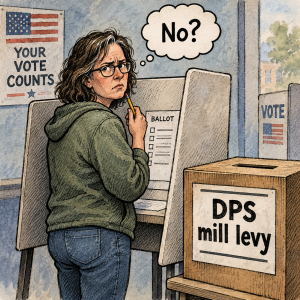
Maybe it is time for all of us to say NO to the board’s request for a $44 million mill levy tax increase. I am torn. Denver’s teachers need to be paid more. But I do not see how Denver will ever do better by most of its students without a clear plan, transparency, honest discussion of progress, and real accountability for student success — none of which this board has offered.

News broke midday Thursday that DJ Torres, who has served on the Denver Public Schools Board of Education, had resigned, effective immediately. So what happens now? And how will this affect the problematic board dynamics? We invited to the podcast to discuss this Parker Baxter, Scholar in Residence and Director of the Center for Education Policy Analysis at the School of Pubic Affairs at the University of Colorado Denver. Baxter is also a lawyer, and spent 20 years working on education policy, including a stint in the central office of Denver Public Schools during the Tom Boasberg era.

Alleged antisemitic statements by Denver school board member Monica Hunter aimed at her colleague Amy Klein Molk are problematic. Equally troubling, however, is why the superintendent and board president sat on them for nine months until it became politically expedient to release them. In this episode, co-hosts Alexis Menocal Harrigan and Alan Gottlieb discuss whether board relationships and trust in board President Xóchitl Gaytán and Superintendent Alex Marrero are irreparably damaged, and if so, what should happen as a result.
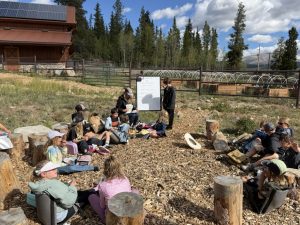
This is High Rockies Community School, a K-8 public charter school located at Sacramento Creek Ranch outside Fairplay. The four-day-a-week school is most notable for holding almost all of its instruction outdoors.
The Denver school board on Thursday, Sept. 17 voted unanimously to launch an investigation into allegations that board Director Monica Hunter made anti-semitic comments about fellow board member Amy Klein Molk, who is Jewish. In this episode, co-hosts Alexis Menocal Harrigan and Alan Gottlieb discuss the meeting’s bizarre twists and turns, and impacts on Denver Public Schools students, with Nicholas Hernández, executive director of the advocacy group Transform Education Now.

At the September 17 Denver Public Schools Board of Education public comment session, 14 people addressed the board and community about allegations leveled against two board members by the board President Xóchitl Gaytán, with an assist from Superintendent Alex Marrero. Two comments stood out, so we are publishing them here.

In its 2024–25 State of Charter Schools Report, the Colorado Department of Education concluded that charter schools had lower chronic absenteeism rates than non-charter schools in each of the previous three years.

In this episode, cohosts Alexis Menocal Harrigan and Alan Gottlieb discuss the latest Denver school board imbroglio, including potentially serious allegations, and its implications for Colorado’s largest school district.

Last week, Boardhawk published a detailed analysis of Denver Public Schools’ 2026 state test score (CMAS) data, as well as an evaluation of the state school performance framework rating of DPS. We invited the author of the piece, Cody Ostenson, on the podcast to discuss the findings.
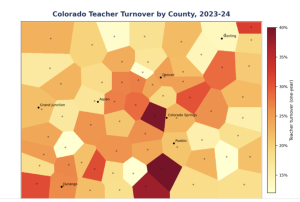
Students across rural Colorado have been back in school for a few weeks now. In far too many of their classrooms, they were greeted by a brand-new teacher. In some, they’ll find a rotating substitute, a class merged into one down the hall, or simply no permanent teacher at all, because the position was never filled. While not a perfect proxy for teacher effectiveness, the data that is available on turnover, vacancies, and certifications are the best available proxies we have in Colorado.

Should Denver voters say no to DPS mill levy?
Maybe it is time for all of us to say NO to the board’s request for a $44 million mill levy tax increase. I am torn. Denver’s teachers need to be paid more. But I do not see how Denver will ever do better by most of its students without a clear plan, transparency, honest discussion of progress, and real accountability for student success — none of which this board has offered.