
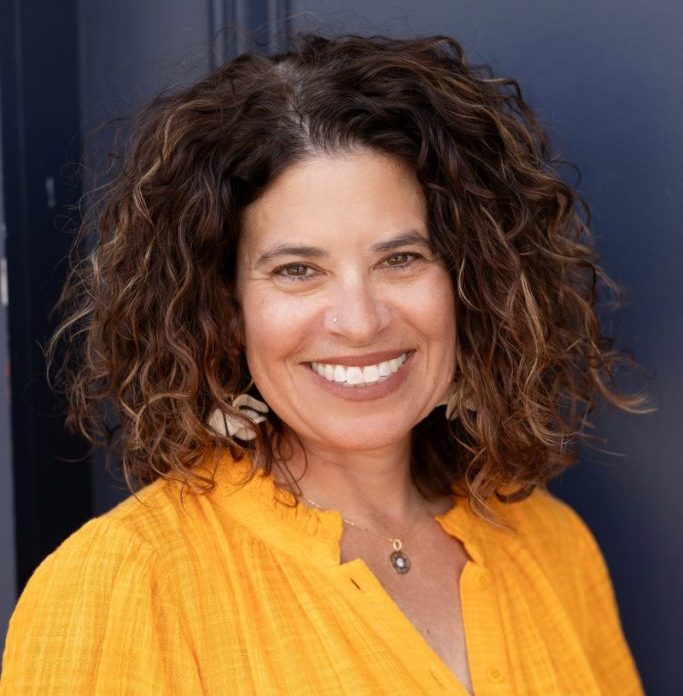
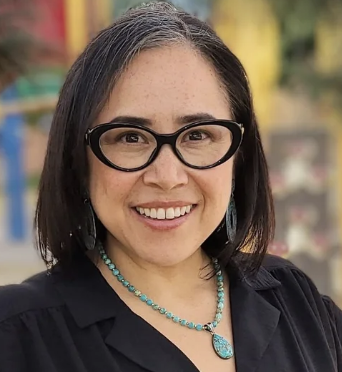
The Denver school board voted 4-2 Thursday evening to appoint Caron Blanke to serve as the central Denver board representative until the November 2027 election. The 4-2 vote could put to an end the union-reformer divide narrative that has dominated Denver school politics for so long.
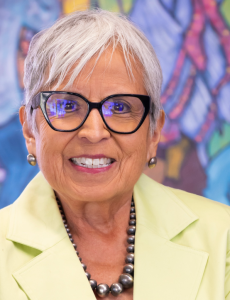
As Denver prepares to fill a vacancy on its school board, we thought it was a good time to look back at how Denver Public Schools came to have its current board district structure and how that structure shapes who gets elected. Our guest is Rosemary Rodriguez, whose years in public service, including four on the DPS board, give her a firsthand perspective on how Denver elects its school board members.
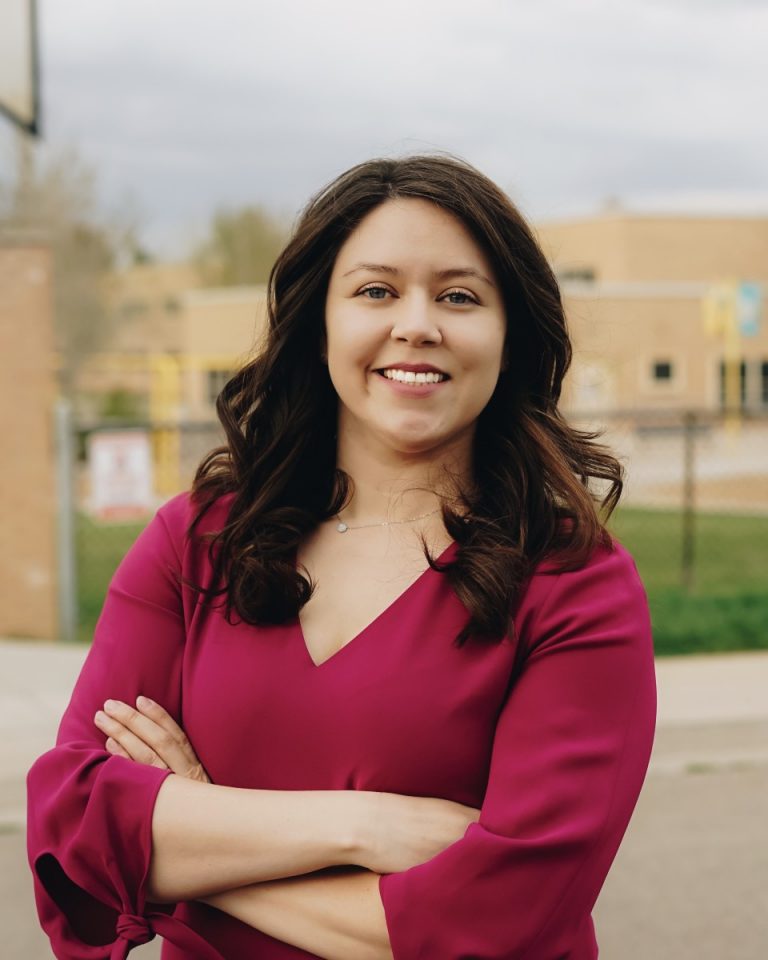
At last week’s board meeting, board members asked for the superintendents’ final strategic road map. Confusion and frustration were on display during the discussion about the roadmap, executive limitations, and ends statements (policy governance jargon). In the video below, I walk through the meeting and its disagreements, and attempt to put it all in context.
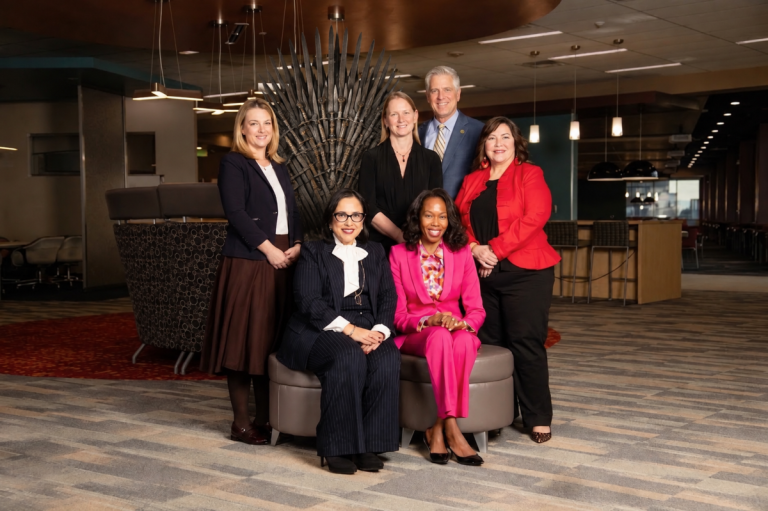
Van Schoales examines the candidates for Denver’s school board vacancy, and assesses their chances of winning the District 3 Iron Throne.

Paula Noonan is an outspoken critic of charter schools and test-based accountability, who broadcasts her thoughts in a regular column in Colorado Politics. Nicholas Hernández is executive director of Transform Education Now, a parent advocacy organization that supports parents in advocating for robust educational options in Denver and environs. We brought them together on the podcast to debate school choice, charter schools, school funding, teacher quality, test-based accountability, and more. It’s a lively episode, somewhat longer than usual.

Denver voters have approved mill levy overrides before. DPS collected $369.6 million last year from seven voter-approved overrides dating to 1988. That history is exactly why voters deserve specifics. A district that has been trusted this many times should be able to say what the next dollars will do.

Three eventful years into his tenure on the Denver Public Schools Board of Education, board member John Youngquist discusses where the board’s focus should be as it emerges (we hope) from a period of tumult, in-fighting and dysfunction.

We asked Denver Classroom Teachers Association President Rob Gould, and Vernon Jones, a community advocate and executive director of FaithBridge, onto the show to discuss the mill levy, reasons voters should approve it, and to answer some questions about why maybe some voters should be skeptical that it’s a good idea. We also discussed board and district leadership and whether there need to be changes.
It is time for the board to call for new leadership of the body. A new officer election would give members an opportunity to reconsider that leadership and publicly articulate the expectations they have of those serving as president, vice president, and other offices.

Recently, I’ve heard people question whether Denver should make another investment in our schools because of the disagreements and challenges happening among adults in the district. As a student, that is hard for me to understand. Whatever concerns adults have about leadership, governance, or accountability, taking investment away from students because of adult behavior feels like punishing us for decisions we did not make.

Each student brings a unique perspective, and I find immense joy in encouraging and motivating each of them in different ways.

One of our primary goals with Montessori on Wheels is to help children and families look out their windows and see their communities as spaces for learning and innovation.

Short of outright corruption, we should always vote in favor of DPS bonds and mill levies, especially when those ballot initiatives do not increase taxes, as has been the case the last several election cycles.

Consider the message sent by spending almost $100,000 to deconstruct the egalitarian philosophy that drove Denver Public Schools management for more than a decade. The superintendent’s corner office with a bank of windows looking over downtown and the soundproofing all but scream: ”Stay away. I have no time for the likes of you. And what happens behind that door is none of your damned business.”
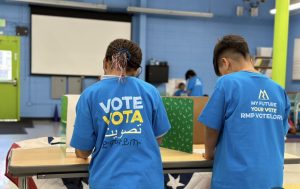
The 10.7 percentage-point increase in Rocky Mountain Prep family voting turnout since the 2019 election was four times the growth of the city average.

What we haven’t acknowledged is that the pain that police officers felt in schools impacted them in negative ways just like everyone else. Now, add power to the equation. A scorned police officer using real, possibly negative school experiences as a foundation. That’s a scary concept.

In my opinion, East is ground zero for the most egregious failure of the discipline matrix. The new matrix’s consequences for violence in schools are inadequate.
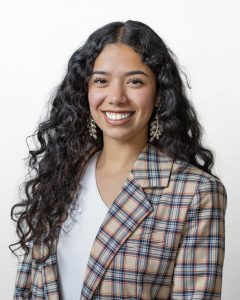
I found community in my college at the University of Colorado at Boulder, and in my first career opportunity. And I have found it again through Ednium.

Why we don’t extend the school year by five weeks and make those last five weeks lower pressure and more fun for both students and teachers?
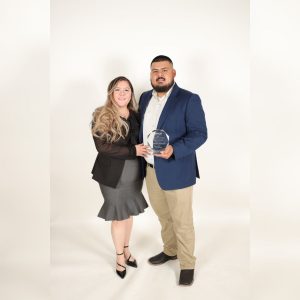
When I left for college, I knew I wanted to do something to help my community and ensure that money stayed in the neighborhood. But what I thought would be a law degree, turned into me running the stucco business with my dad.


Podcast season 2 episode 32: Selection of Caron Blanke suggests the old union-reformer divide may now be irrelevant
The Denver school board voted 4-2 Thursday evening to appoint Caron Blanke to serve as the central Denver board representative until the November 2027 election. The 4-2 vote could put to an end the union-reformer divide narrative that has dominated Denver school politics for so long.