
Commentary

Jennifer Holladay was a senior Denver Public Schools administrator from 2013-21. She oversaw the district’s portfolio of schools program until leaving the district in 2021. As a new school board with a union-backed majority takes power next month, we thought Jen would be an ideal guest to discuss how the new board could affect portfolio or reform values like accountability, choice, school supports, autonomy, and student-based budgeting.
Podcast co-hosts Alexis Menocal Harrigan and Alan Gottlieb discuss recent, election developments, including the ludicrous censure of Denver Public Schools Board of Education member John Youngquist, Superintendent Alex Marrero’s flirtation with Chicago Public Schools, and other current topics.

From Dr. Aaron Massey: hope the glow of victory and the pain of defeat doesn’t undermine our ability to work together for children and for the community.
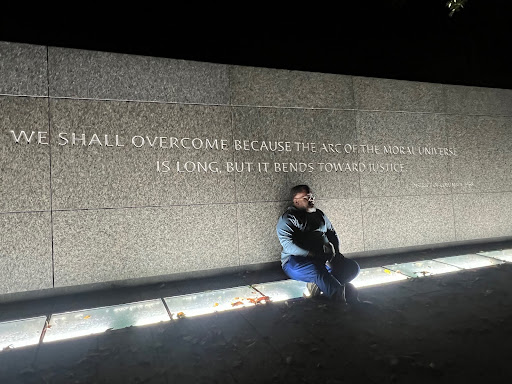
Vernon Jones Jr. joins us to dissect the election and discuss its implications for the future of Denver Public Schools. Jones is a former board candidate and executive director of FaithBridge, a Denver-based nonprofit focused on mobilizing faith communities to support schools and promote educational equity for children throughout Colorado.
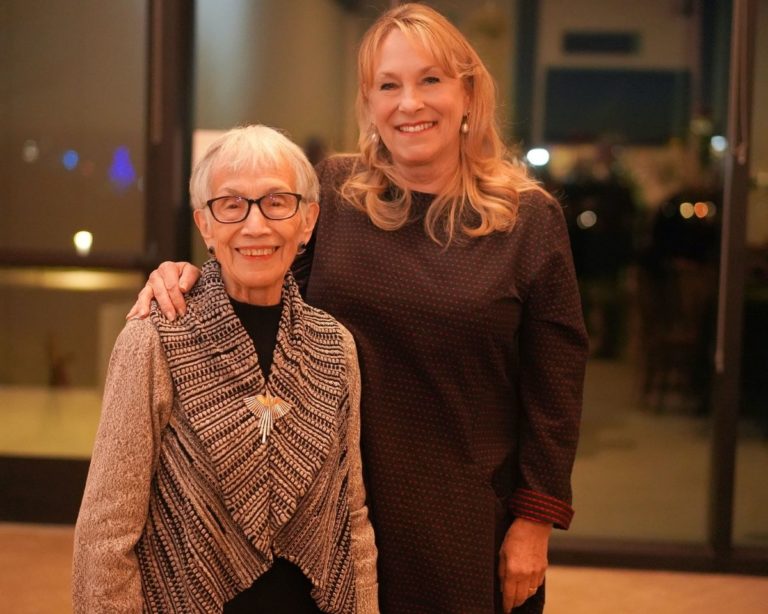
Former Colorado Lieutenant Governor Barbara O’Brien served on the Denver Public Schools board during the period when it shifted from a more reform-oriented majority to the more DCTA-friendly majority. She was the lone dissenting vote in 2020 against the hiring of Alex Marrero as superintendent. She was also on the board as the current form of policy governance was implemented, and during the censure of board member Auon’tai Anderson. Her valuable perspective on current DPS events is timely, given the potentially pivotal election taking place next Tuesday, Nov. 4

Denver Gazette investigative columnist Jimmy Sengenberger has some of the deepest sourcing on the Denver Public Schools beat, and has broken a number of important stories. When the so-called investigation report into DPS board member John Youngquist’s alleged racial insensitivity was released or leaked Monday night, Sengenberger came to mind as a good person to have on to discuss the report and its weaknesses, and its implications for the board and the district. It’s a lively discussion.

This is a perfect example of what is known as a star chamber investigation. A star chamber investigation” refers to an inquiry or legal proceeding that is seen as arbitrary, secretive, and grossly unfair—often conducted without transparency, due process, or the right for those accused to defend themselves. The term is used pejoratively to criticize procedures that lack openness and seem designed to persecute rather than fairly adjudicate.

We invited former Denver Public Schools board president Theresa Peña on the podcast to discuss the upcoming election, the state of DPS, current and past boards, and the current administration, because she unflinchingly expresses well-informed opinions, and has the credentials to back those opinions up with deep knowledge and relevant data.
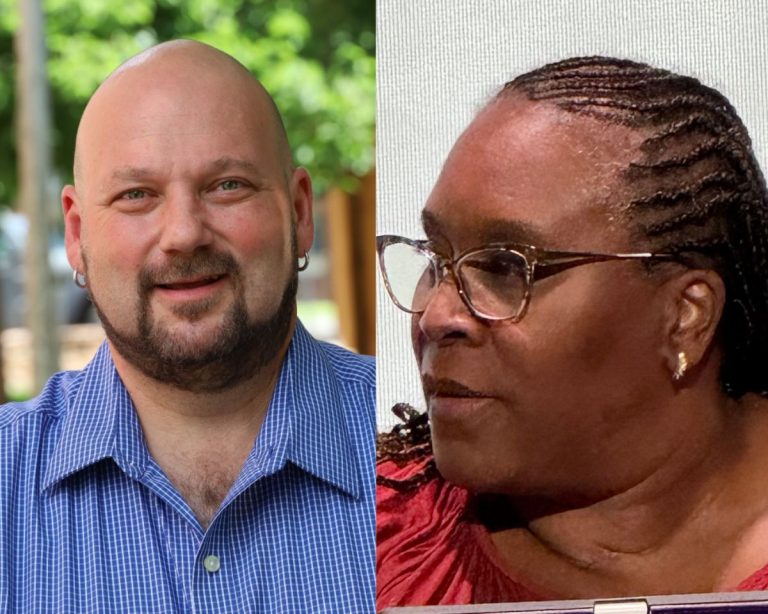
Last week, the local alumna chapter of the Delta Sigma Theta sorority and the Epitome of Black Excellence and Leadership hosted two forums for school-board candidates running at-large in Denver and in its northeast and central regions. Only two of the 10 eligible candidates showed up: Scott Esserman and Michelle Quattlebaum, incumbents with actual track records to dissect (and dissected, they were.).
I’m sure it’s tough being any one of the three Denver school board incumbents right now, staring defeat in the face as they are. But that doesn’t excuse the desperate, dishonest drivel put out in a statement this week by candidate Scott Esserman, trying to tie four candidates to Donald Trump’s Project 2025.



Boardhawk podcast season 2, episode 8: The state of educational opportunity in Colorado, with Nicholas Hernández and Marc Porter Magee
50CAN, a national education advocacy organization, and Transform Education Now (TEN), its Colorado affiliate, recently released a report called The State of Educational Opportunity in Colorado, a survey of some 515 parents from across the state. ur guests for this podcast episode are Marc Porter Magee, the founder and CEO of 50CAN, and Nicholas Hernández, the co-founder and executive director of TEN. The Colorado report and national survey data are filled with fascinating insights that say a great deal about current attitudes toward public education, school choice, and parental engagement.