
I must stop obsessing about poor families being on a predictable path to economic exile, and remember that the white middle-class college-educated people working public school jobs with full benefits are the real victims of the system.

Paula Noonan is an outspoken critic of charter schools and test-based accountability, who broadcasts her thoughts in a regular column in Colorado Politics. Nicholas Hernández is executive director of Transform Education Now, a parent advocacy organization that supports parents in advocating for robust educational options in Denver and environs. We brought them together on the podcast to debate school choice, charter schools, school funding, teacher quality, test-based accountability, and more. It’s a lively episode, somewhat longer than usual.

Perhaps the most important outcome of Colordo’s election had little to do with parties and candidates. Voters passed two ballot measures that will loosen the shackles that a 34-year-old constitutional amendment clamped on state government spending, including support of K-12 schools. The two ballot measures, Amendment 87 and Proposition NN, could bring the state government more than $2 billion in the first full year, much of that earmarked for education.

Four years ago, the U.S. Supreme Court issued a landmark ruling that said states can’t exclude faith-based schools from choice programs because they practice religion. Some Catholics in Colorado think their state has forgotten about that Maine case and similar decisions in favor of expanding religious freedom.
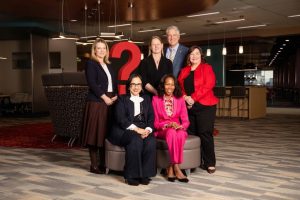
Thirteen people have applied for a one-year vacancy on the Denver school board created by the resignation last month of central-Denver representative DJ Torres. On this podcast episode, longtime District 3 resident and DPS parent and advocate Heather Lamm discusses with co-hosts Alexis Menocal Harrigan and Alan Gottlieb the candidates and what the board needs in and from its new member.
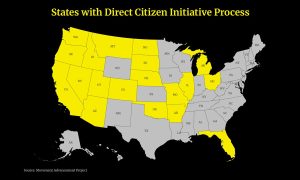
After failing to persuade state lawmakers to strip protections, religious and ultra-conservative activists are taking their case directly to voters.
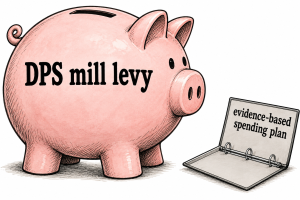
Denver voters have approved mill levy overrides before. DPS collected $369.6 million last year from seven voter-approved overrides dating to 1988. That history is exactly why voters deserve specifics. A district that has been trusted this many times should be able to say what the next dollars will do.
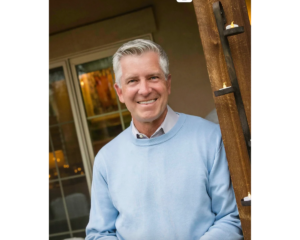
Three eventful years into his tenure on the Denver Public Schools Board of Education, board member John Youngquist discusses where the board’s focus should be as it emerges (we hope) from a period of tumult, in-fighting and dysfunction.
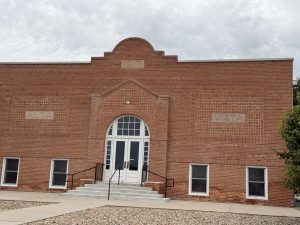
A rural school outside of Lamar converted to a charter almost 30 years ago. Alta Vista’s conversion history may be bordering on ancient, but it now holds potential relevance for communities across Colorado.

We asked Denver Classroom Teachers Association President Rob Gould, and Vernon Jones, a community advocate and executive director of FaithBridge, onto the show to discuss the mill levy, reasons voters should approve it, and to answer some questions about why maybe some voters should be skeptical that it’s a good idea. We also discussed board and district leadership and whether there need to be changes.
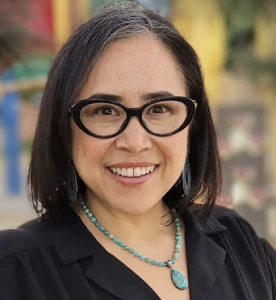
It is time for the board to call for new leadership of the body. A new officer election would give members an opportunity to reconsider that leadership and publicly articulate the expectations they have of those serving as president, vice president, and other offices.
Podcast season 2, episode 30: Charter critic Paula Noonan, parent advocate Nicholas Hernández hold a passionate, mostly polite debate
Paula Noonan is an outspoken critic of charter schools and test-based accountability, who broadcasts her thoughts in a regular column in Colorado Politics. Nicholas Hernández is executive director of Transform Education Now, a parent advocacy organization that supports parents in advocating for robust educational options in Denver and environs. We brought them together on the podcast to debate school choice, charter schools, school funding, teacher quality, test-based accountability, and more. It’s a lively episode, somewhat longer than usual.