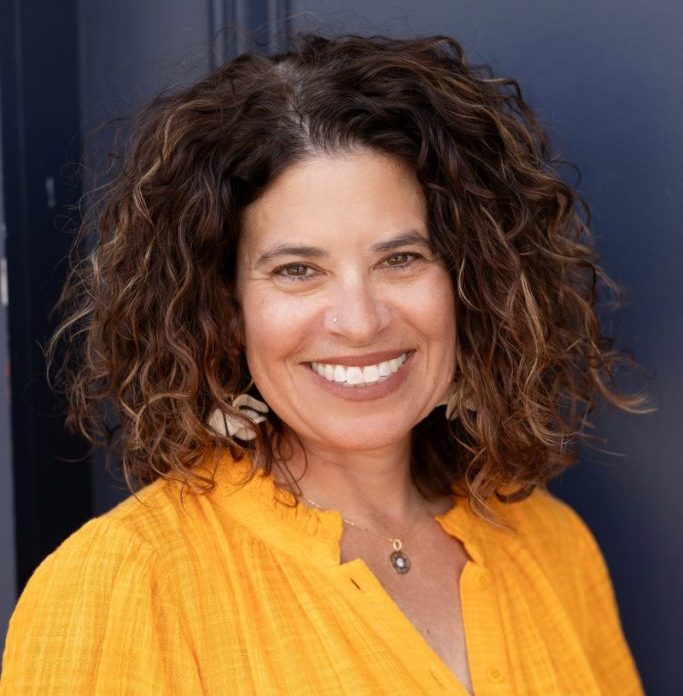
The Denver school board voted 4-2 Thursday evening to appoint Caron Blanke to serve as the central Denver board representative until the November 2027 election. The 4-2 vote could put to an end the union-reformer divide narrative that has dominated Denver school politics for so long.
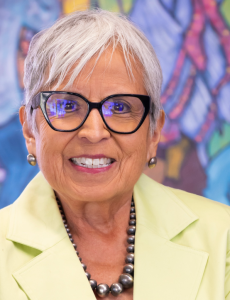
As Denver prepares to fill a vacancy on its school board, we thought it was a good time to look back at how Denver Public Schools came to have its current board district structure and how that structure shapes who gets elected. Our guest is Rosemary Rodriguez, whose years in public service, including four on the DPS board, give her a firsthand perspective on how Denver elects its school board members.
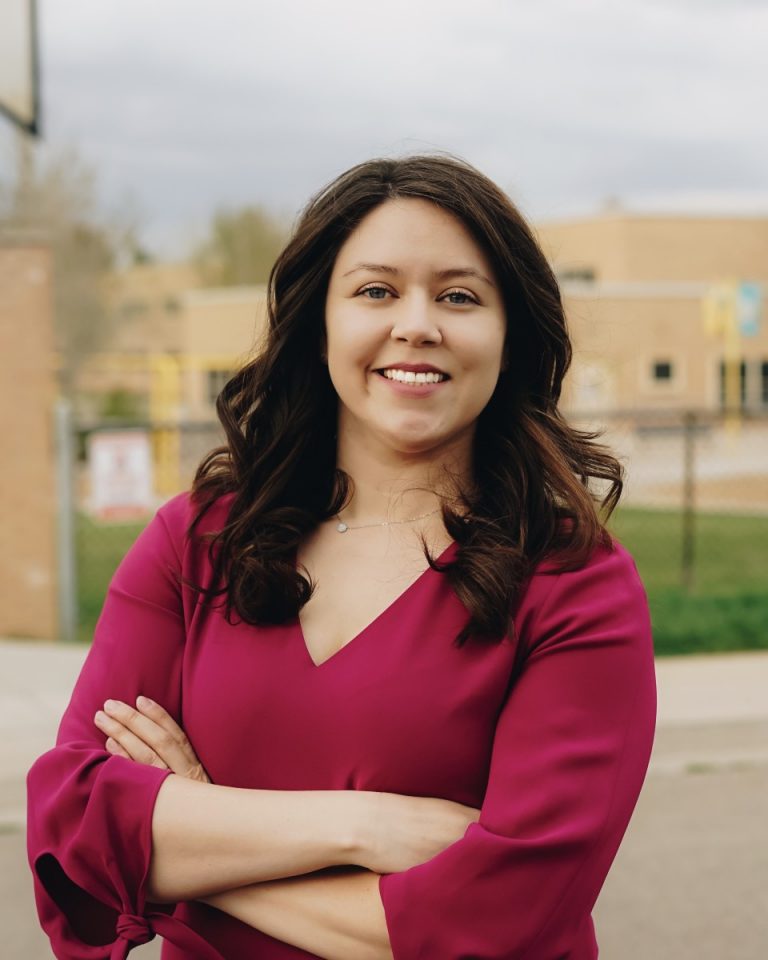
At last week’s board meeting, board members asked for the superintendents’ final strategic road map. Confusion and frustration were on display during the discussion about the roadmap, executive limitations, and ends statements (policy governance jargon). In the video below, I walk through the meeting and its disagreements, and attempt to put it all in context.
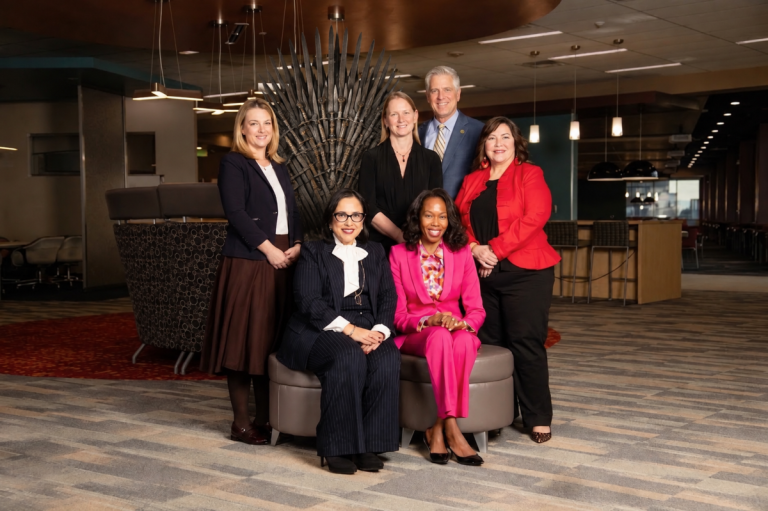
Van Schoales examines the candidates for Denver’s school board vacancy, and assesses their chances of winning the District 3 Iron Throne.

Paula Noonan is an outspoken critic of charter schools and test-based accountability, who broadcasts her thoughts in a regular column in Colorado Politics. Nicholas Hernández is executive director of Transform Education Now, a parent advocacy organization that supports parents in advocating for robust educational options in Denver and environs. We brought them together on the podcast to debate school choice, charter schools, school funding, teacher quality, test-based accountability, and more. It’s a lively episode, somewhat longer than usual.
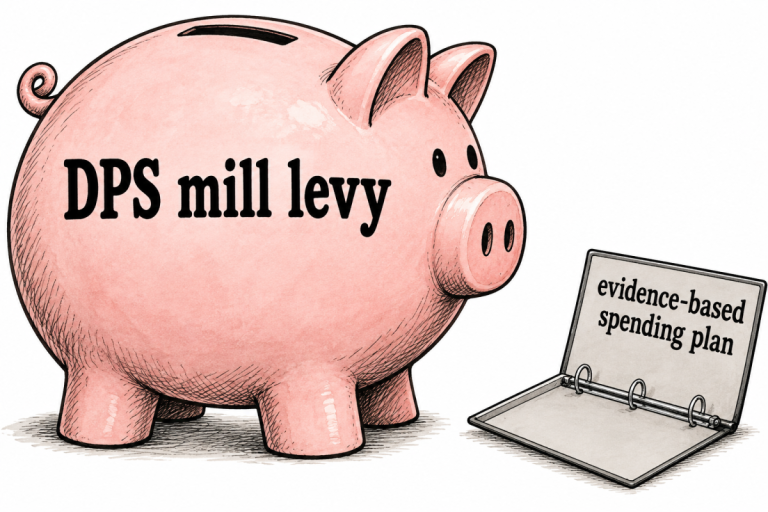
Denver voters have approved mill levy overrides before. DPS collected $369.6 million last year from seven voter-approved overrides dating to 1988. That history is exactly why voters deserve specifics. A district that has been trusted this many times should be able to say what the next dollars will do.

Three eventful years into his tenure on the Denver Public Schools Board of Education, board member John Youngquist discusses where the board’s focus should be as it emerges (we hope) from a period of tumult, in-fighting and dysfunction.

We asked Denver Classroom Teachers Association President Rob Gould, and Vernon Jones, a community advocate and executive director of FaithBridge, onto the show to discuss the mill levy, reasons voters should approve it, and to answer some questions about why maybe some voters should be skeptical that it’s a good idea. We also discussed board and district leadership and whether there need to be changes.
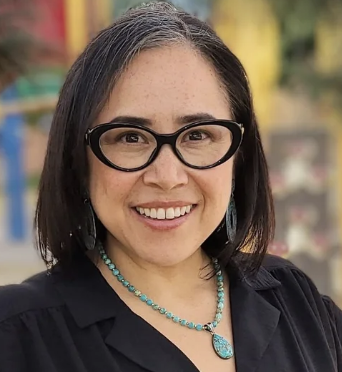
It is time for the board to call for new leadership of the body. A new officer election would give members an opportunity to reconsider that leadership and publicly articulate the expectations they have of those serving as president, vice president, and other offices.

Recently, I’ve heard people question whether Denver should make another investment in our schools because of the disagreements and challenges happening among adults in the district. As a student, that is hard for me to understand. Whatever concerns adults have about leadership, governance, or accountability, taking investment away from students because of adult behavior feels like punishing us for decisions we did not make.

While we had always been taught to be present in meetings, listen to the speaker, and demonstrate with our body language that we were actively listening, these adults — elected officials — did not reflect this learning . Not only were the silent people in the room loud with unrest, the speakers were loud with disorder. Seemingly unprepared, they stuttered, lost documents and more. While students are drilled to be prepared for public speaking, these adults weren’t.

So many across education are simultaneously watching in shock, while also asking, “How do we move forward from here when critical systems and programs are being rolled back?” The answer lies in remaining laser-focused on an elegant, age-old objective in our schools: joy. As we face historic challenges, joy in our classrooms – for our teachers and students – matters more than ever.

You won’t want to miss this pointed conversation, with its references to Superintendent Alex Marrero’s “Trumpian authoritarianism,” and its strong critiques of the school board members who have the temerity to think a premature contract extension is a good idea.

Marrero is a polarizing figure, beloved by some and disliked by others. Extending his contract before an election that could shift the board’s position on his tenure would be a brazen move to tie a new board’s hands, making it difficult/expensive to remove him
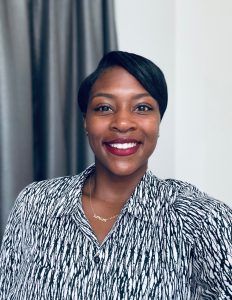
I attribute much of my success to the foundation provided to me by DPS. The leadership skills, work ethic, and emphasis on community engagement instilled in me have shaped my career and personal life in profound ways.

In this episode, Alan Gottlieb and Alexis Menocal Harrigan debate the recent decision by the Denver school board to place stringent limits on monthly public comment sessions. Until public comment has been the most direct and effect means by which members of the public could address the school board. Until the fall of 2023, public comments had no time limits, other than a three-minute limit on individual speakers. Now, not only are speakers limited to two minutes, but other limits have been placed on topics that can be addressed and the amount of time devoted to each topic.
HB 25-1278 feels backwards. Alter the accountability structure, but don’t address what this structure is supposed to measure: student achievement and growth, specifically, in three disciplines: reading, writing, and math,

This month’s articles respond to the following prompt: Most people who are making decisions about schools and how we are educated are disconnected from our current lived realities as students. As a student this is what I think they should know about those current realities and this is what I would do if I were in charge.

From Boardhawk columnist Dr. Aaron Massey: Here are three reasons why the U. S. Department of Education is on the chopping block, why it makes sense that it’s on the chopping block, but why it should still exist.

For many years, DPS has boasted stellar scores among its more affluent, white, and Asian students. Why the district has struggled more than other urban school systems to transfer that success to the students who need it most remains a puzzle that needs solving.


Podcast season 2 episode 32: Selection of Caron Blanke suggests the old union-reformer divide may now be irrelevant
The Denver school board voted 4-2 Thursday evening to appoint Caron Blanke to serve as the central Denver board representative until the November 2027 election. The 4-2 vote could put to an end the union-reformer divide narrative that has dominated Denver school politics for so long.