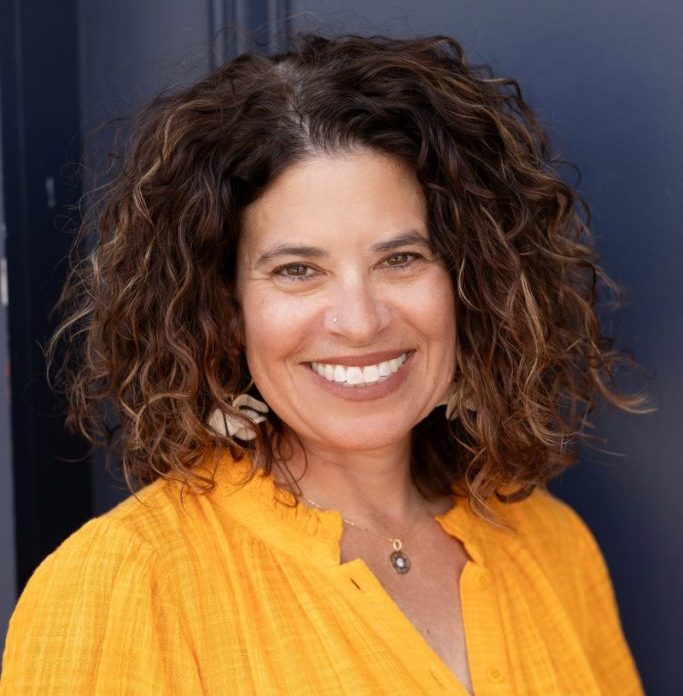
The Denver school board voted 4-2 Thursday evening to appoint Caron Blanke to serve as the central Denver board representative until the November 2027 election. The 4-2 vote could put to an end the union-reformer divide narrative that has dominated Denver school politics for so long.
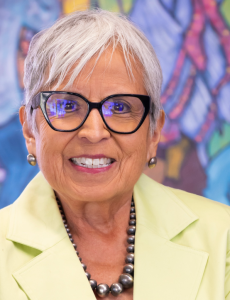
As Denver prepares to fill a vacancy on its school board, we thought it was a good time to look back at how Denver Public Schools came to have its current board district structure and how that structure shapes who gets elected. Our guest is Rosemary Rodriguez, whose years in public service, including four on the DPS board, give her a firsthand perspective on how Denver elects its school board members.
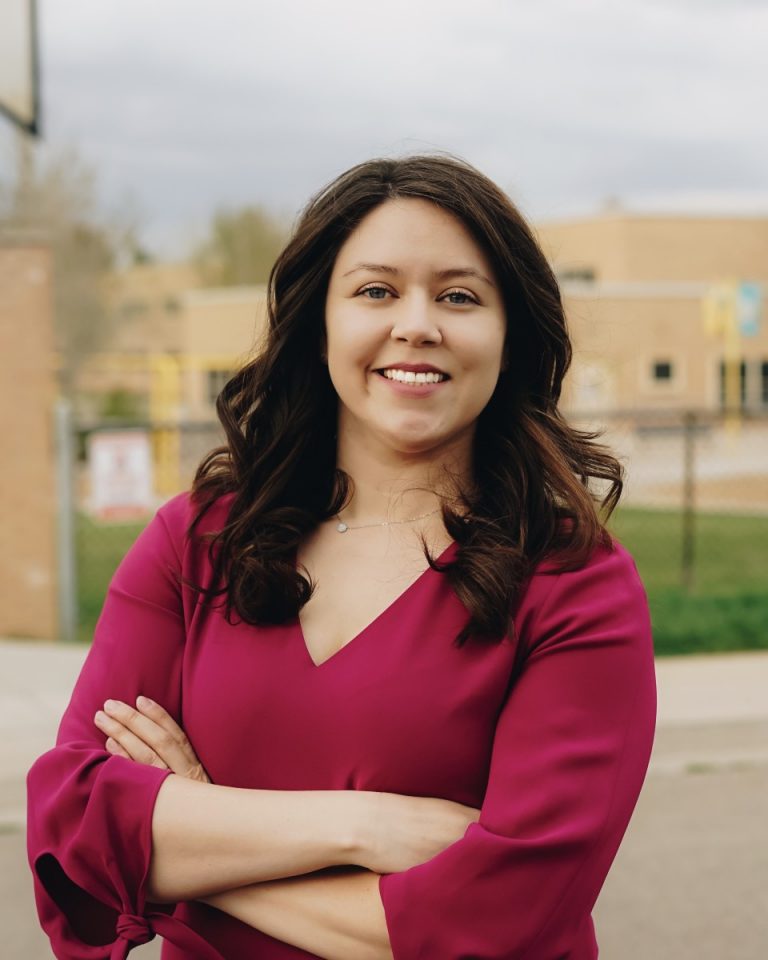
At last week’s board meeting, board members asked for the superintendents’ final strategic road map. Confusion and frustration were on display during the discussion about the roadmap, executive limitations, and ends statements (policy governance jargon). In the video below, I walk through the meeting and its disagreements, and attempt to put it all in context.
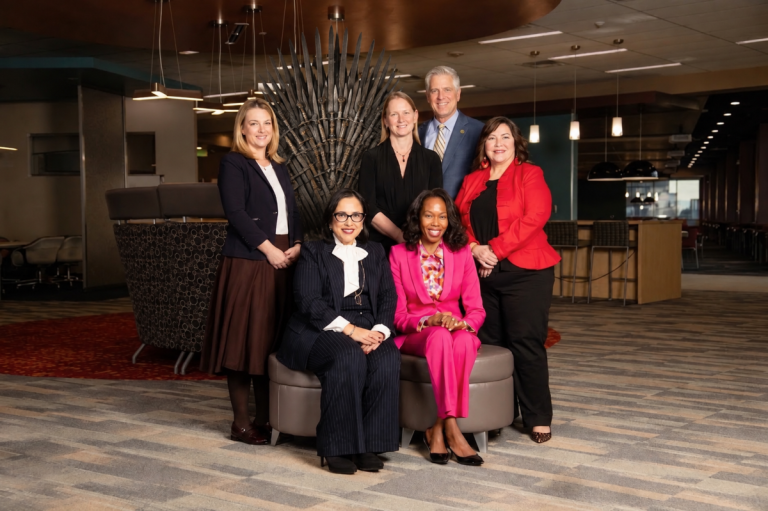
Van Schoales examines the candidates for Denver’s school board vacancy, and assesses their chances of winning the District 3 Iron Throne.

Paula Noonan is an outspoken critic of charter schools and test-based accountability, who broadcasts her thoughts in a regular column in Colorado Politics. Nicholas Hernández is executive director of Transform Education Now, a parent advocacy organization that supports parents in advocating for robust educational options in Denver and environs. We brought them together on the podcast to debate school choice, charter schools, school funding, teacher quality, test-based accountability, and more. It’s a lively episode, somewhat longer than usual.
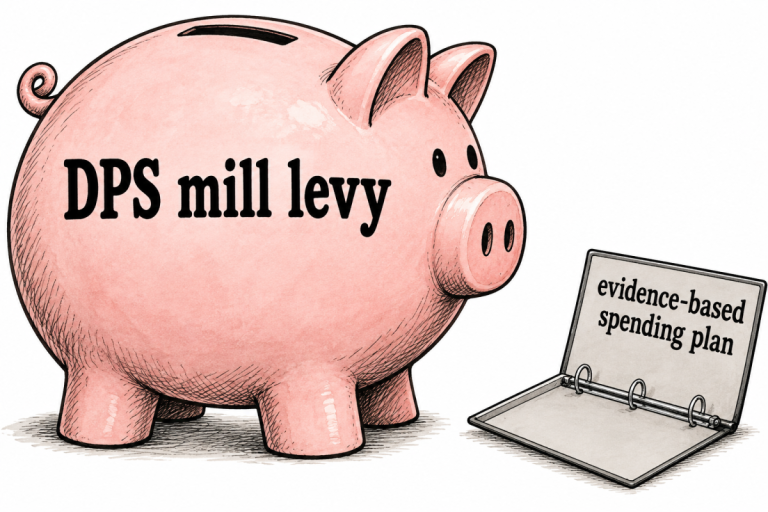
Denver voters have approved mill levy overrides before. DPS collected $369.6 million last year from seven voter-approved overrides dating to 1988. That history is exactly why voters deserve specifics. A district that has been trusted this many times should be able to say what the next dollars will do.

Three eventful years into his tenure on the Denver Public Schools Board of Education, board member John Youngquist discusses where the board’s focus should be as it emerges (we hope) from a period of tumult, in-fighting and dysfunction.

We asked Denver Classroom Teachers Association President Rob Gould, and Vernon Jones, a community advocate and executive director of FaithBridge, onto the show to discuss the mill levy, reasons voters should approve it, and to answer some questions about why maybe some voters should be skeptical that it’s a good idea. We also discussed board and district leadership and whether there need to be changes.
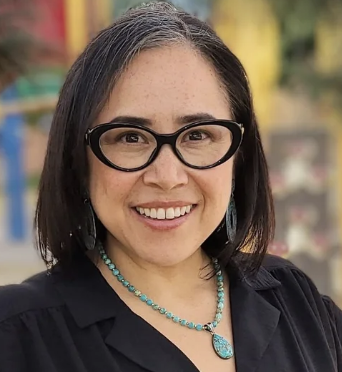
It is time for the board to call for new leadership of the body. A new officer election would give members an opportunity to reconsider that leadership and publicly articulate the expectations they have of those serving as president, vice president, and other offices.

Recently, I’ve heard people question whether Denver should make another investment in our schools because of the disagreements and challenges happening among adults in the district. As a student, that is hard for me to understand. Whatever concerns adults have about leadership, governance, or accountability, taking investment away from students because of adult behavior feels like punishing us for decisions we did not make.

Seven Denver school board candidates – including all three citywide at-large challengers – mostly stuck to general themes Tuesday night about their qualifications and support for students and teachers but many were light on specific strategies to raise achievement.

The Denver school board majority’s newly revealed effort to hide deliberations about the superintendents contract extension could be about to backfire. It should.

This past weekend, Denver Gazette education reporter Nicole C. Brambila broke a big story about a shadowy committee of the Denver school board formed last spring to hammer out details of Superintendent Alex Marrero’s controversial new contract. We asked Brambila to join the podcast to discuss the story and its ramifications, as well as the overall transparency (or lack thereof) of the current board and Denver Public Schools administration. Listen to hear why, as Brambila told us, “what attorneys that I spoke to did say was that if somebody sued the school district and won in court, it could negate the contract.”

As a service to our listeners, Boardhawk decided to reach out to the two school board election axes of influence — The Denver Classroom Teachers Association and Denver Families Action to learn more about their process and criteria for endorsing candidates, as well as their funding sources and strategies. We conclude this series with a conversation with Clarence Burton Jr., CEO of Denver Families Action and Denver Families for Public Schools.

As a service to our listeners, Boardhawk decided to reach out to the two school board election axes of influence — The Denver Classroom Teachers Association and Denver Families Action to learn more about their process and criteria for endorsing candidates, as well as their funding sources and strategies. We begin this two-part series with Rob Gould, president of the DCTA.
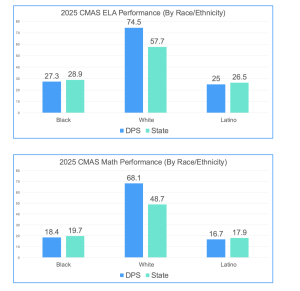
In this episode of the Boardhawk podcast, hosts Alexis Menocal Harrigan and Alan Gottlieb have an in-depth discussion on 2025 state test score results for Denver with educational consult and data expert Maya Lagana. While there are some sings of post-pandemic improvement, the data show that low-income students of color in Denver Public Schools continue to struggle academically, and achievement gaps have widened substantially since CMAS’ first year, 2017.
Listen to our interview with Amy Klein Molk, an education advocate, former ed-tech entrepreneur, and Denver Public Schools (DPS) parent who is running for an at-large (citywide) seat on the Denver Public Schools Board of Education.

Jeremy Harris is one of four candidates vying for the Denver school board seat currently held by Michelle Quattlebaum, who is running for reelection. Harris opposes what he describes on his campaign website as “lessons on sexuality, racism, and gender identity-based curricula in K–8 education.” In general, he stakes out positions that in some cases are more conservative than is typical in a Denver school board race.

From Boardhawk columnist Dr. Aaron Massey: Here are a few things that are truly happening in education that are impacting its current state of affairs.

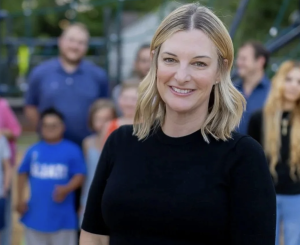
Caron Blanke is a Denver Public Schools parent, and the former director of the JCC (Jewish Community Center) Early Learning School, one of Denver’s top preschools. She is running for the District 3 school board seat, which encompasses a large swath of central Denver. In this podcast episode, Blanke discusses what she sees as a need for governance adjustments within the DPS board and administration, and her desire to be a change agent after several years of stagnant student achievement in the district.


Podcast season 2 episode 32: Selection of Caron Blanke suggests the old union-reformer divide may now be irrelevant
The Denver school board voted 4-2 Thursday evening to appoint Caron Blanke to serve as the central Denver board representative until the November 2027 election. The 4-2 vote could put to an end the union-reformer divide narrative that has dominated Denver school politics for so long.