
The Denver school board voted 4-2 Thursday evening to appoint Caron Blanke to serve as the central Denver board representative until the November 2027 election. The 4-2 vote could put to an end the union-reformer divide narrative that has dominated Denver school politics for so long.
As Denver prepares to fill a vacancy on its school board, we thought it was a good time to look back at how Denver Public Schools came to have its current board district structure and how that structure shapes who gets elected. Our guest is Rosemary Rodriguez, whose years in public service, including four on the DPS board, give her a firsthand perspective on how Denver elects its school board members.
At last week’s board meeting, board members asked for the superintendents’ final strategic road map. Confusion and frustration were on display during the discussion about the roadmap, executive limitations, and ends statements (policy governance jargon). In the video below, I walk through the meeting and its disagreements, and attempt to put it all in context.
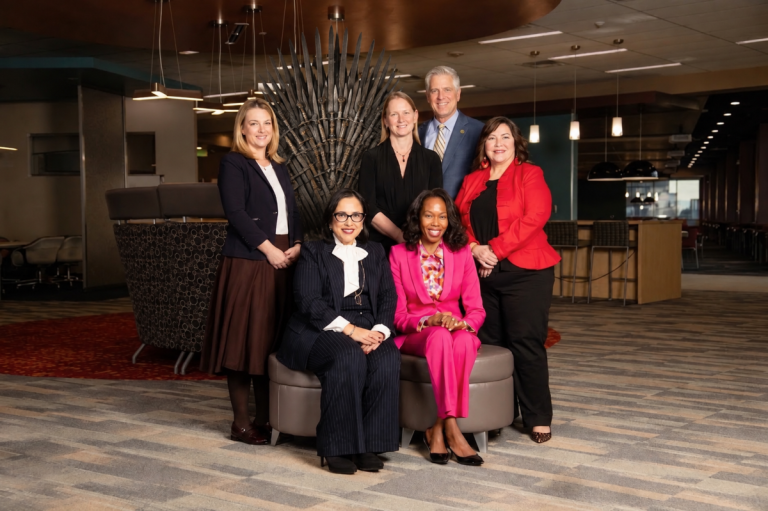
Van Schoales examines the candidates for Denver’s school board vacancy, and assesses their chances of winning the District 3 Iron Throne.

Paula Noonan is an outspoken critic of charter schools and test-based accountability, who broadcasts her thoughts in a regular column in Colorado Politics. Nicholas Hernández is executive director of Transform Education Now, a parent advocacy organization that supports parents in advocating for robust educational options in Denver and environs. We brought them together on the podcast to debate school choice, charter schools, school funding, teacher quality, test-based accountability, and more. It’s a lively episode, somewhat longer than usual.
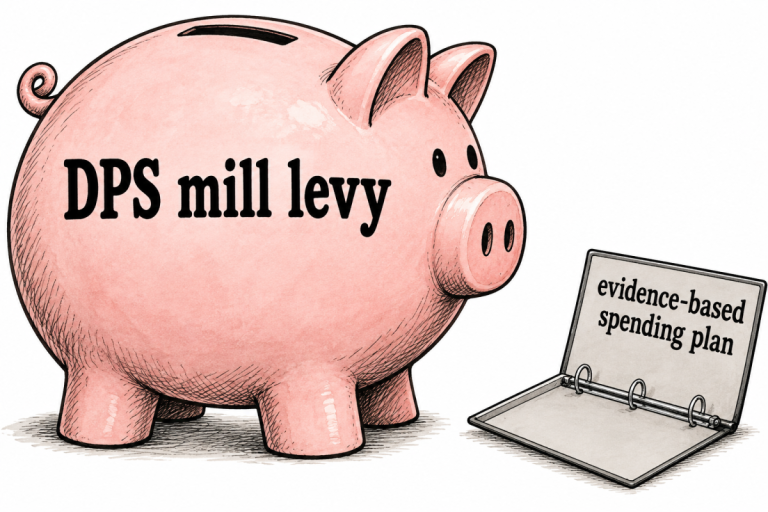
Denver voters have approved mill levy overrides before. DPS collected $369.6 million last year from seven voter-approved overrides dating to 1988. That history is exactly why voters deserve specifics. A district that has been trusted this many times should be able to say what the next dollars will do.

Three eventful years into his tenure on the Denver Public Schools Board of Education, board member John Youngquist discusses where the board’s focus should be as it emerges (we hope) from a period of tumult, in-fighting and dysfunction.

We asked Denver Classroom Teachers Association President Rob Gould, and Vernon Jones, a community advocate and executive director of FaithBridge, onto the show to discuss the mill levy, reasons voters should approve it, and to answer some questions about why maybe some voters should be skeptical that it’s a good idea. We also discussed board and district leadership and whether there need to be changes.
It is time for the board to call for new leadership of the body. A new officer election would give members an opportunity to reconsider that leadership and publicly articulate the expectations they have of those serving as president, vice president, and other offices.

Recently, I’ve heard people question whether Denver should make another investment in our schools because of the disagreements and challenges happening among adults in the district. As a student, that is hard for me to understand. Whatever concerns adults have about leadership, governance, or accountability, taking investment away from students because of adult behavior feels like punishing us for decisions we did not make.
Podcast co-hosts Alexis Menocal Harrigan and Alan Gottlieb discuss recent, election developments, including the ludicrous censure of Denver Public Schools Board of Education member John Youngquist, Superintendent Alex Marrero’s flirtation with Chicago Public Schools, and other current topics.

Maureen Kelleher is a veteran Chicago education journalist, who now produces Board Rule, a deeply reported, weekly newsletter on Chicago Public Schools and its board. This article is from today’s edition of Board Rule. It focuses on the contentious search for a new CPS superintendent. Denver Public Schools Superintendent Alex Marrero was one of two finalists for the job before the search process imploded, thanks to the usual craziness of Chicago politics. It’s well worth a read. Boardhawk is reprinting it with Kelleher’s permission.

Former DPS board Vice-President Auon’tai Anderson reached out to Boardhawk editor Alan Gottlieb following two recent podcast episodes that mentioned Anderson’s own censure case while discussing the pending censure of board member John Youngquist. He asked to share his perspective on board censures. What followed was a wide-ranging conversation that should be of interest to listeners, regardless of their perceptions of and feelings about the outspoken former board member.

From Dr. Aaron Massey: hope the glow of victory and the pain of defeat doesn’t undermine our ability to work together for children and for the community.
Vernon Jones Jr. joins us to dissect the election and discuss its implications for the future of Denver Public Schools. Jones is a former board candidate and executive director of FaithBridge, a Denver-based nonprofit focused on mobilizing faith communities to support schools and promote educational equity for children throughout Colorado.

Four union-backed candidates won convincing victories and incumbents Michelle Quattlebaum and Scott Esserman were routed in their reelection bids. Only Xóchitl Gaytán remains from the deeply dysfunctional board of two years ago.
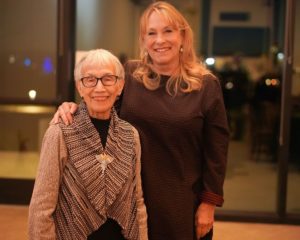
Former Colorado Lieutenant Governor Barbara O’Brien served on the Denver Public Schools board during the period when it shifted from a more reform-oriented majority to the more DCTA-friendly majority. She was the lone dissenting vote in 2020 against the hiring of Alex Marrero as superintendent. She was also on the board as the current form of policy governance was implemented, and during the censure of board member Auon’tai Anderson. Her valuable perspective on current DPS events is timely, given the potentially pivotal election taking place next Tuesday, Nov. 4

Denver Gazette investigative columnist Jimmy Sengenberger has some of the deepest sourcing on the Denver Public Schools beat, and has broken a number of important stories. When the so-called investigation report into DPS board member John Youngquist’s alleged racial insensitivity was released or leaked Monday night, Sengenberger came to mind as a good person to have on to discuss the report and its weaknesses, and its implications for the board and the district. It’s a lively discussion.

This is a perfect example of what is known as a star chamber investigation. A star chamber investigation” refers to an inquiry or legal proceeding that is seen as arbitrary, secretive, and grossly unfair—often conducted without transparency, due process, or the right for those accused to defend themselves. The term is used pejoratively to criticize procedures that lack openness and seem designed to persecute rather than fairly adjudicate.
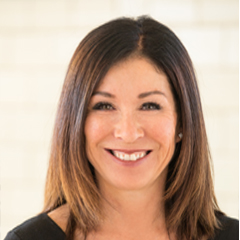
We invited former Denver Public Schools board president Theresa Peña on the podcast to discuss the upcoming election, the state of DPS, current and past boards, and the current administration, because she unflinchingly expresses well-informed opinions, and has the credentials to back those opinions up with deep knowledge and relevant data.


Podcast season 2 episode 32: Selection of Caron Blanke suggests the old union-reformer divide may now be irrelevant
The Denver school board voted 4-2 Thursday evening to appoint Caron Blanke to serve as the central Denver board representative until the November 2027 election. The 4-2 vote could put to an end the union-reformer divide narrative that has dominated Denver school politics for so long.