
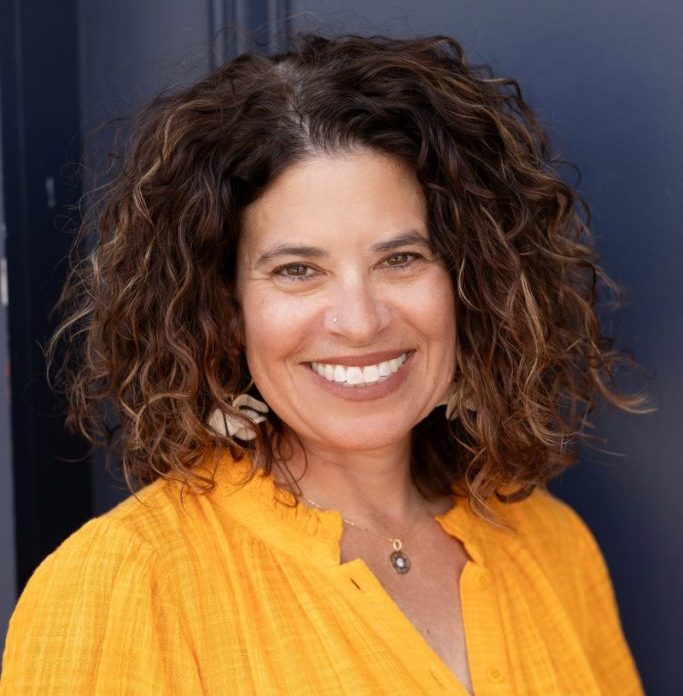
The Denver school board voted 4-2 Thursday evening to appoint Caron Blanke to serve as the central Denver board representative until the November 2027 election. The 4-2 vote could put to an end the union-reformer divide narrative that has dominated Denver school politics for so long.
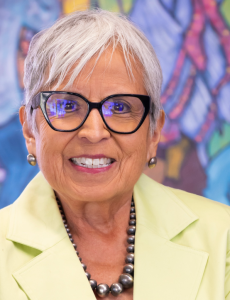
As Denver prepares to fill a vacancy on its school board, we thought it was a good time to look back at how Denver Public Schools came to have its current board district structure and how that structure shapes who gets elected. Our guest is Rosemary Rodriguez, whose years in public service, including four on the DPS board, give her a firsthand perspective on how Denver elects its school board members.
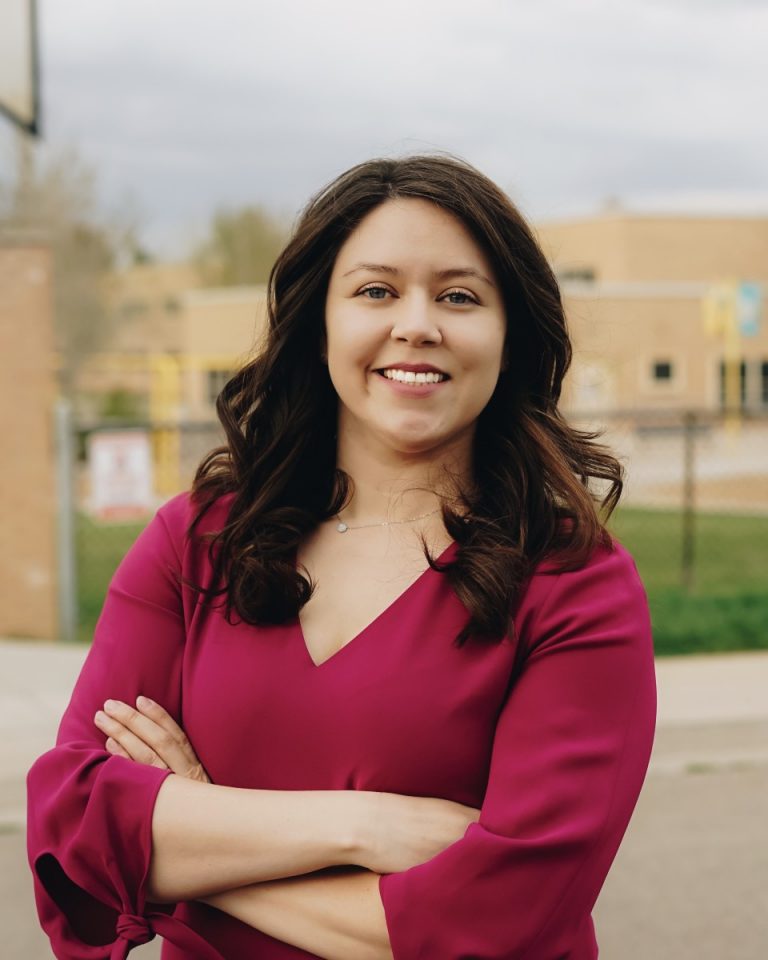
At last week’s board meeting, board members asked for the superintendents’ final strategic road map. Confusion and frustration were on display during the discussion about the roadmap, executive limitations, and ends statements (policy governance jargon). In the video below, I walk through the meeting and its disagreements, and attempt to put it all in context.
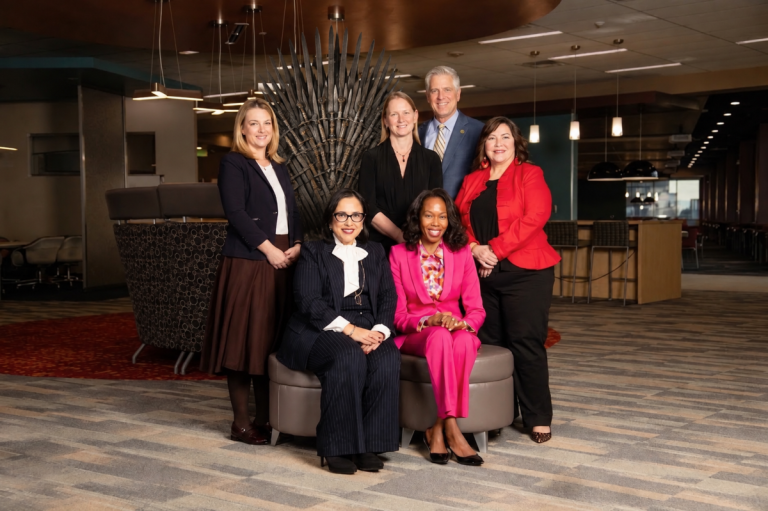
Van Schoales examines the candidates for Denver’s school board vacancy, and assesses their chances of winning the District 3 Iron Throne.

Paula Noonan is an outspoken critic of charter schools and test-based accountability, who broadcasts her thoughts in a regular column in Colorado Politics. Nicholas Hernández is executive director of Transform Education Now, a parent advocacy organization that supports parents in advocating for robust educational options in Denver and environs. We brought them together on the podcast to debate school choice, charter schools, school funding, teacher quality, test-based accountability, and more. It’s a lively episode, somewhat longer than usual.

Denver voters have approved mill levy overrides before. DPS collected $369.6 million last year from seven voter-approved overrides dating to 1988. That history is exactly why voters deserve specifics. A district that has been trusted this many times should be able to say what the next dollars will do.
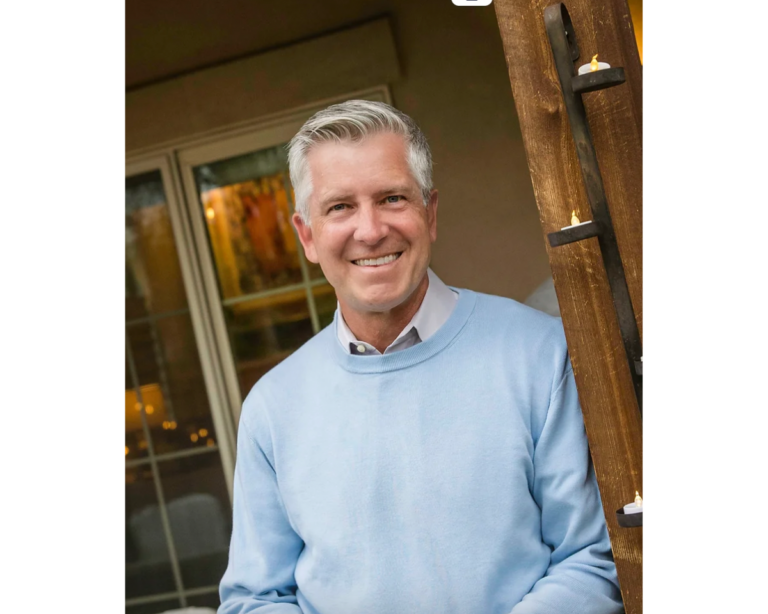
Three eventful years into his tenure on the Denver Public Schools Board of Education, board member John Youngquist discusses where the board’s focus should be as it emerges (we hope) from a period of tumult, in-fighting and dysfunction.

We asked Denver Classroom Teachers Association President Rob Gould, and Vernon Jones, a community advocate and executive director of FaithBridge, onto the show to discuss the mill levy, reasons voters should approve it, and to answer some questions about why maybe some voters should be skeptical that it’s a good idea. We also discussed board and district leadership and whether there need to be changes.
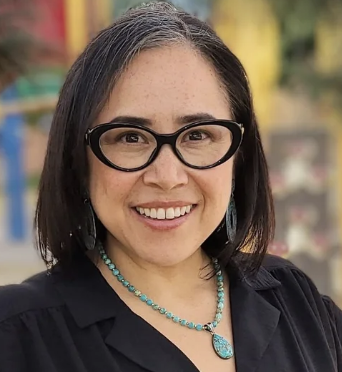
It is time for the board to call for new leadership of the body. A new officer election would give members an opportunity to reconsider that leadership and publicly articulate the expectations they have of those serving as president, vice president, and other offices.

Recently, I’ve heard people question whether Denver should make another investment in our schools because of the disagreements and challenges happening among adults in the district. As a student, that is hard for me to understand. Whatever concerns adults have about leadership, governance, or accountability, taking investment away from students because of adult behavior feels like punishing us for decisions we did not make.

Right now, today, people are in the early stages of exploiting that some of us are afraid to speak up and some of us are not. You have just as valid of a reason to not speak up as those that didn’t speak up during Jim Crow. And though that might come off as direct, the gravity of what’s happening in your community, right now, is no less paramount.

Justice-driven systems do not rely on families to escape harm. They eliminate harm at its source. They do not measure success by averages or exceptions, but by whether the most marginalized students and their families experience stability, excellence, and opportunity — where they live and where they choose to learn.
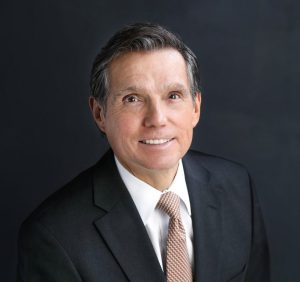
Former Denver Mayor Federico Peña this week authored a provocative article in Westword advocating for merging Denver Public Schools, which he calls a “failing institution,” into Denver city government. He came on the podcast to explain his reasons, and how this might be made a reality down the road.

On December 8, health care provider Kaiser Permanente sent a letter to the roughly 3,400 Denver Public Schools employees who receive its services informing then that DPS was dropping Kaiser as a provider. Our guest today is Rob Gould, president of the Denver Classroom Teachers Association. We delve deeply into this issue with Gould, whose members stand to bear the brunt of the possible consequences.

Editor’s note: In this era of a badly fractured media landscape, it can be challenging to find specialized news of any type in one convenient location. Boardhawk is hoping to solve that problem for people interested in Colorado education news and commentary, with a smattering of national news and commentary thrown in for good measure. Please let us know if you find this useful.

What struck me most in reading about Dr. Gladys West’s life was not only her brilliance, but her perseverance. A deep love of geometry sparked a career that unfolded in the face of profound racial and gender discrimination, in an era when Black women were systematically excluded from advanced mathematics and scientific fields. Her story raises an uncomfortable question closer to home. Are Denver’s public schools systematically cultivating the next generation of Gladys Wests, or are they leaving that talent unrealized?
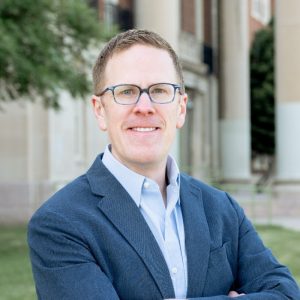
Colorado public schools are experiencing sustained enrollment declines (Denver less than many other districts), and that’s reshaping everything — school funding, staffing, program offerings, district politics, and debates over school choice. This is more than a demographic story; it’s a governance and values story. Today we are joined by Brian Eschacher to unpack enrollment trends, how school choice fits into the picture, and what districts and policy makers should be paying attention to next.

Three Denver high school students spell out their aspirational dreams for our country, in the spirit of Dr. Martin Luther King Jr., in a very dark time.
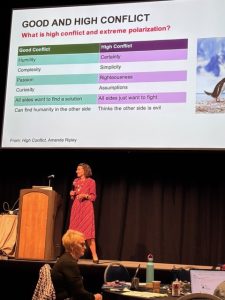
Dr. Katy Anthes served as Commissioner of Education in Colorado from 2016-2023, and is widely respected for her commitment to listen to diverse perspectives and her legacy of developing solutions that are founded on productive middle ground. Her perspective on how to foster meaningful dialogue and change across political and ideological differences has carried forward into her current work on a project called FORWARD: From Polarization to Progress.
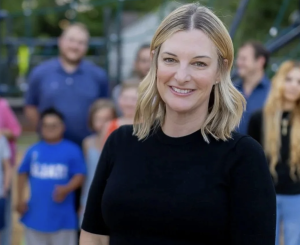
We invited Amy on to discuss her very early impressions of board service, policy governance, board-staff relations and intra-board relations, and the most pressing issues facing the district.


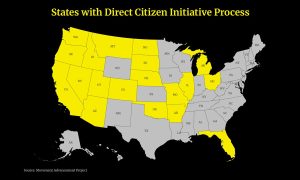
Podcast season 2 episode 32: Selection of Caron Blanke suggests the old union-reformer divide may now be irrelevant
The Denver school board voted 4-2 Thursday evening to appoint Caron Blanke to serve as the central Denver board representative until the November 2027 election. The 4-2 vote could put to an end the union-reformer divide narrative that has dominated Denver school politics for so long.