
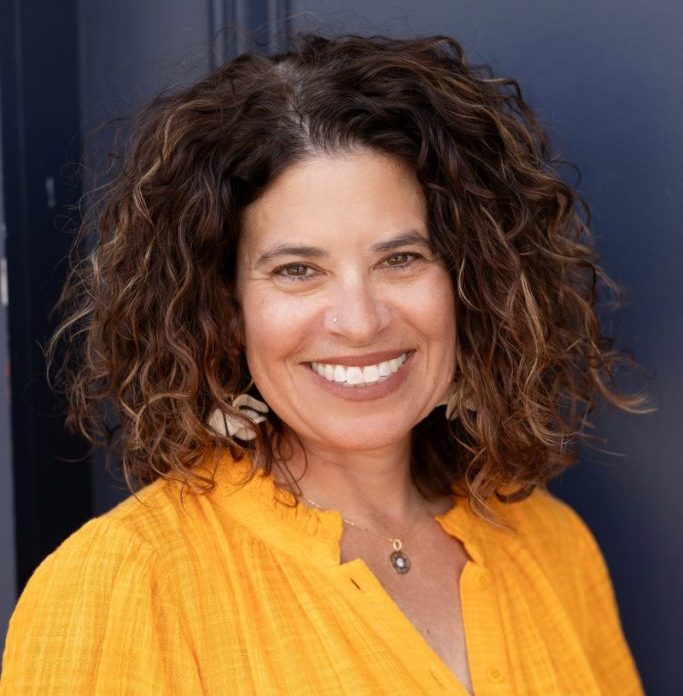
The Denver school board voted 4-2 Thursday evening to appoint Caron Blanke to serve as the central Denver board representative until the November 2027 election. The 4-2 vote could put to an end the union-reformer divide narrative that has dominated Denver school politics for so long.
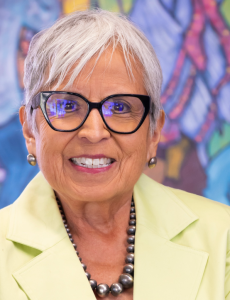
As Denver prepares to fill a vacancy on its school board, we thought it was a good time to look back at how Denver Public Schools came to have its current board district structure and how that structure shapes who gets elected. Our guest is Rosemary Rodriguez, whose years in public service, including four on the DPS board, give her a firsthand perspective on how Denver elects its school board members.
At last week’s board meeting, board members asked for the superintendents’ final strategic road map. Confusion and frustration were on display during the discussion about the roadmap, executive limitations, and ends statements (policy governance jargon). In the video below, I walk through the meeting and its disagreements, and attempt to put it all in context.
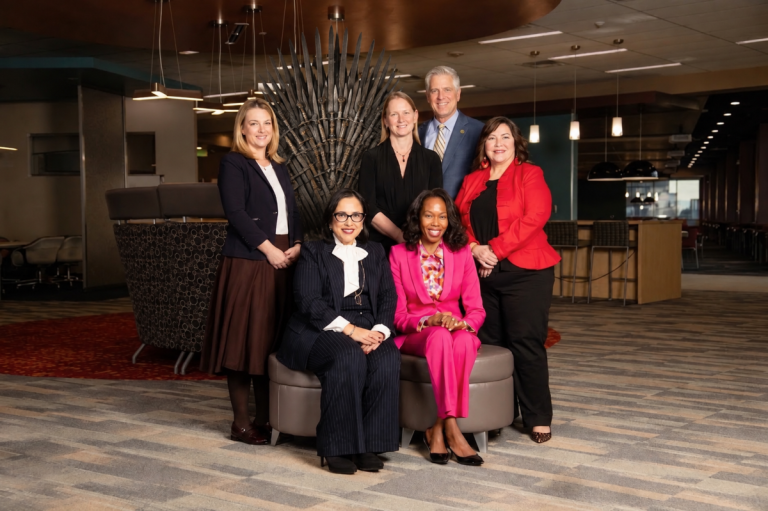
Van Schoales examines the candidates for Denver’s school board vacancy, and assesses their chances of winning the District 3 Iron Throne.

Paula Noonan is an outspoken critic of charter schools and test-based accountability, who broadcasts her thoughts in a regular column in Colorado Politics. Nicholas Hernández is executive director of Transform Education Now, a parent advocacy organization that supports parents in advocating for robust educational options in Denver and environs. We brought them together on the podcast to debate school choice, charter schools, school funding, teacher quality, test-based accountability, and more. It’s a lively episode, somewhat longer than usual.

Denver voters have approved mill levy overrides before. DPS collected $369.6 million last year from seven voter-approved overrides dating to 1988. That history is exactly why voters deserve specifics. A district that has been trusted this many times should be able to say what the next dollars will do.

Three eventful years into his tenure on the Denver Public Schools Board of Education, board member John Youngquist discusses where the board’s focus should be as it emerges (we hope) from a period of tumult, in-fighting and dysfunction.

We asked Denver Classroom Teachers Association President Rob Gould, and Vernon Jones, a community advocate and executive director of FaithBridge, onto the show to discuss the mill levy, reasons voters should approve it, and to answer some questions about why maybe some voters should be skeptical that it’s a good idea. We also discussed board and district leadership and whether there need to be changes.
It is time for the board to call for new leadership of the body. A new officer election would give members an opportunity to reconsider that leadership and publicly articulate the expectations they have of those serving as president, vice president, and other offices.

Recently, I’ve heard people question whether Denver should make another investment in our schools because of the disagreements and challenges happening among adults in the district. As a student, that is hard for me to understand. Whatever concerns adults have about leadership, governance, or accountability, taking investment away from students because of adult behavior feels like punishing us for decisions we did not make.
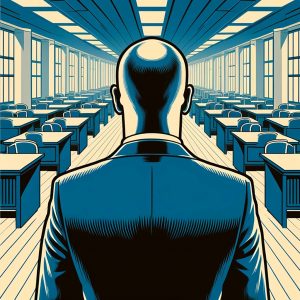
This fall’s superintendent evaluation will be a waste of everyone’s time. But it’s not too soon to start searching for a reputable, national organization to conduct a 360 evaluation of Superintendent Alex Marrero.
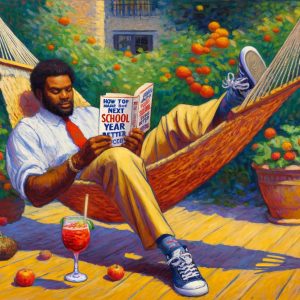
I’m going to suggest three ideas to improve outcomes for schools, the problem we are solving for, associated myths, associated facts, the theory of change, the change idea, and the level of spice I think it might contain.

While the current board appears marginally more open to innovation than its predecessor, the administration of Superintendent Alex Marrero still seems hostile to the concept, and could continue chipping away at autonomies and funding mechanisms that make a zone viable.

This coming fall, two of the three zone schools, McAuliffe International and McAuliffe Manual Middle School will revert to district-run schools but operate under their individual innovation plans. The third member, Swigert International, is seeking to join the Luminary Learning Network (LLN), the last of the original three DPS innovation zones.

Middle school. It is a transition point in life like no other. It brings with it so many physical, mental, emotional, and spiritual changes, and you just can’t leave it to chance that every place will be the best place for your kid. The roll of the dice won’t cut it here.

We have board members and community members who speak about injustice, but do little to tackle the injustices that exist with our students’ academic achievement. Two things can happen at once without being in conflict; we can fight historic systems of oppression while also holding all leaders – including Black and brown ones – to account.

My hope for my students is they are able to pursue their passions and endeavors in an unrestricted way and know they have the power to change the world and seize their own futures. We tend to discount youth, but they have a voice and power in that.
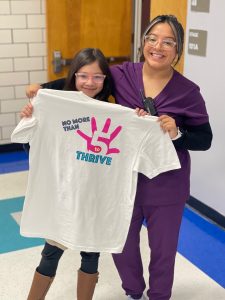
“It used to be a simple, shared agreement,” said University Prep Chief Operating Officer Alastair Dawe. “School doors open, and children pour into the building. But the world is more complex today and different people need different supports just to get to school.”
Bill Kurtz: “We didn’t have things like valedictorians and all that. It was about each person becoming their best version of themselves in a community that fostered that with everybody.”

If you’re a Black man in education, you can kind of tell when something drastic is going to happen. When I told my highly effective buddy whom I hired that I was heading to get fired, he was in disbelief.


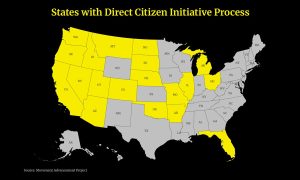
Podcast season 2 episode 32: Selection of Caron Blanke suggests the old union-reformer divide may now be irrelevant
The Denver school board voted 4-2 Thursday evening to appoint Caron Blanke to serve as the central Denver board representative until the November 2027 election. The 4-2 vote could put to an end the union-reformer divide narrative that has dominated Denver school politics for so long.