
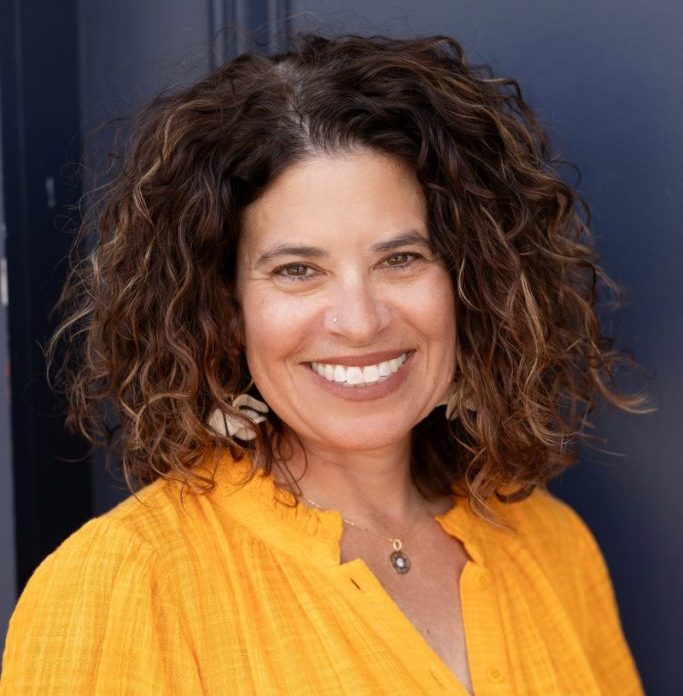
The Denver school board voted 4-2 Thursday evening to appoint Caron Blanke to serve as the central Denver board representative until the November 2027 election. The 4-2 vote could put to an end the union-reformer divide narrative that has dominated Denver school politics for so long.
As Denver prepares to fill a vacancy on its school board, we thought it was a good time to look back at how Denver Public Schools came to have its current board district structure and how that structure shapes who gets elected. Our guest is Rosemary Rodriguez, whose years in public service, including four on the DPS board, give her a firsthand perspective on how Denver elects its school board members.
At last week’s board meeting, board members asked for the superintendents’ final strategic road map. Confusion and frustration were on display during the discussion about the roadmap, executive limitations, and ends statements (policy governance jargon). In the video below, I walk through the meeting and its disagreements, and attempt to put it all in context.
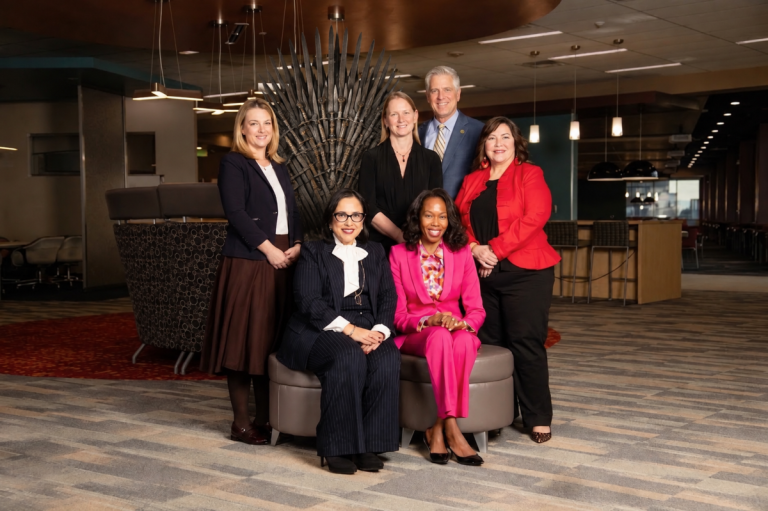
Van Schoales examines the candidates for Denver’s school board vacancy, and assesses their chances of winning the District 3 Iron Throne.

Paula Noonan is an outspoken critic of charter schools and test-based accountability, who broadcasts her thoughts in a regular column in Colorado Politics. Nicholas Hernández is executive director of Transform Education Now, a parent advocacy organization that supports parents in advocating for robust educational options in Denver and environs. We brought them together on the podcast to debate school choice, charter schools, school funding, teacher quality, test-based accountability, and more. It’s a lively episode, somewhat longer than usual.
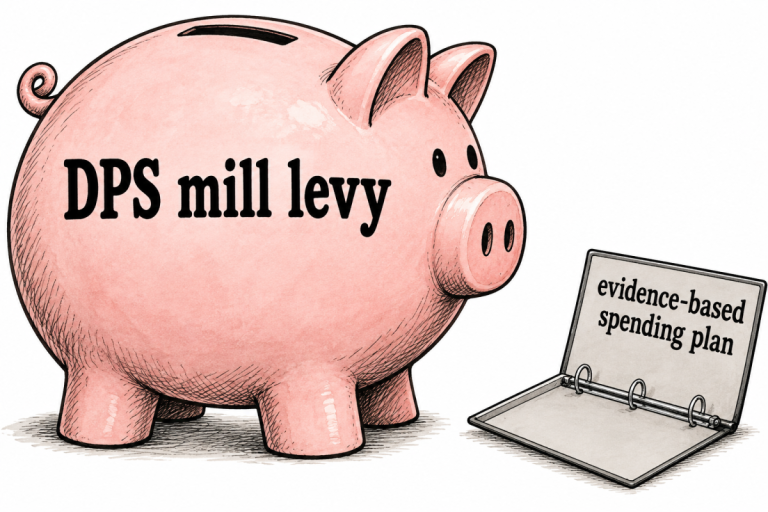
Denver voters have approved mill levy overrides before. DPS collected $369.6 million last year from seven voter-approved overrides dating to 1988. That history is exactly why voters deserve specifics. A district that has been trusted this many times should be able to say what the next dollars will do.

Three eventful years into his tenure on the Denver Public Schools Board of Education, board member John Youngquist discusses where the board’s focus should be as it emerges (we hope) from a period of tumult, in-fighting and dysfunction.

We asked Denver Classroom Teachers Association President Rob Gould, and Vernon Jones, a community advocate and executive director of FaithBridge, onto the show to discuss the mill levy, reasons voters should approve it, and to answer some questions about why maybe some voters should be skeptical that it’s a good idea. We also discussed board and district leadership and whether there need to be changes.
It is time for the board to call for new leadership of the body. A new officer election would give members an opportunity to reconsider that leadership and publicly articulate the expectations they have of those serving as president, vice president, and other offices.

Recently, I’ve heard people question whether Denver should make another investment in our schools because of the disagreements and challenges happening among adults in the district. As a student, that is hard for me to understand. Whatever concerns adults have about leadership, governance, or accountability, taking investment away from students because of adult behavior feels like punishing us for decisions we did not make.

A bill that would have stripped much of the autonomy from Colorado’s public charter schools died in the Colorado House of Representatives Education Committee on a bipartisan 8-3 vote late Thursday.

This new Colorado bill is needed because no federal law currently exists outlawing the practice across the country. Data from public schools telling the truth about seclusion is nonexistent, because most schools have not had to report on or conduct research about the practices and outcomes of using it.

In years past, school leaders could rate Marrero and other senior leaders on a series of Likert Scale questions. For example: “Overall is an effective leader.” “Is a person whom I trust.” “Models the DPS values.” “Is reflective, open to and grows from feedback.” That opportunity has vanished into thin air.

Tomorrow’s community engagement sessions are opportunities for the community to come together and hold board members accountable for redistricting and also to understand their views on political representation.
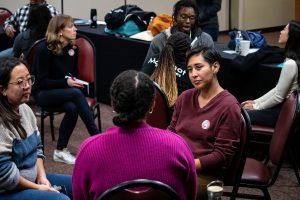
The Moonshot Innovation Space invites more leaders from more fields to make a lasting impact with youth in the community. It’s a nine-month program for leaders in Colorado who are working in youth-serving spaces, such as education, healthcare, local government, environment/sustainability, housing, food, the arts, and more.

There is this stigma when someone hears the word “artist.” People sigh at a successful future for artists and creatives. There’s an assumption that all artists are starving, and they don’t know where their next paycheck will come from. That their very struggle is why they’re an artist.

Since the Denver school board killed the district’s School Performance Framework in 2019, families have been left without insight into the strength and struggles of schools across the district. Our new tool aims to fill that gap.

The bill is guilty of such laughable overreach that it seems all but certain to die in committee. But no one should rest easy until and unless this actually occurs.
EDUCATE Denver, a diverse group of civic leaders, developed more than 25 goals for DPS that the group will track monthly, to measure progress with a focus on raising achievement for students of color, special education students, and those from low-income families.

When our schools don’t have the exact right skills and resources to serve a student and their family, not only do we not work together for the family, but we harm ourselves and others in the process.


Podcast season 2 episode 32: Selection of Caron Blanke suggests the old union-reformer divide may now be irrelevant
The Denver school board voted 4-2 Thursday evening to appoint Caron Blanke to serve as the central Denver board representative until the November 2027 election. The 4-2 vote could put to an end the union-reformer divide narrative that has dominated Denver school politics for so long.